
The best time to visit Chikmagalur is October to February, when skies are clear, temperatures sit between 13°C and 25°C, and all trek routes are open. For waterfalls at peak flow, visit July to September — but expect closed trails and leeches. Avoid the Dussehra long weekend (October) and May, when waterfalls dry up, and crowds spike without payoff.
Table of Contents
Why Timing Matters More in Chikmagalur Than Most Hill Stations
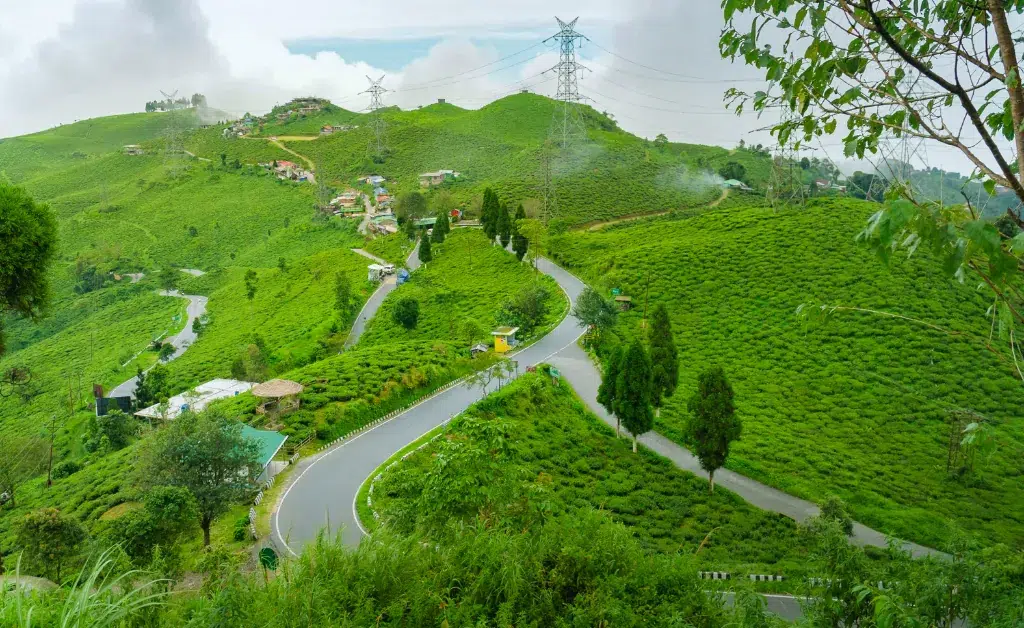
Most Indian hill stations have a predictable on-season and off-season. Chikmagalur doesn’t work that way.
The same month that makes Hebbe Falls look like a postcard — roaring, full-volume, surrounded by deep green — is the same month that closes the Kudremukh trek, turns forest paths into leech corridors, and makes half the jeep routes impassable. Conversely, the clearest, most comfortable months are also when the waterfalls shrink to a trickle.
There’s also the Dussehra problem. October is technically peak season — but the long weekend brings Bangalore by the busload. Prices triple. Mullayanagiri summit becomes a traffic jam. Hotels in a 50 km radius sell out weeks ahead.
This guide cuts through the seasonal confusion. Instead of a generic “best months” list, it tells you the right time to go for what you specifically want to do — and the months that look appealing on paper but disappoint in practice.
Best Time to Visit Chikmagalur — Season at a Glance
October to February — Best Overall
This is the window when Chikmagalur works on all fronts simultaneously. The monsoon has cleared, the landscape is still lush from the rains, and the air is cool enough for serious trekking without thermal gear.
Mullayanagiri and Baba Budangiri viewpoints are reliably clear in the early morning. Coffee estates are either mid-harvest or post-harvest, making plantation visits more interesting and interactive. Wildlife activity in Kudremukh and Bhadra increases as the forest dries slightly.
The one catch: this is also the busiest period, particularly October and November. January and February offer the same weather with significantly fewer crowds — and lower accommodation rates.
Temperature range: 13°C to 26°C Crowd level: High (Oct–Nov), Moderate (Dec–Feb) Everything open: Yes
March to May — Good, With Conditions
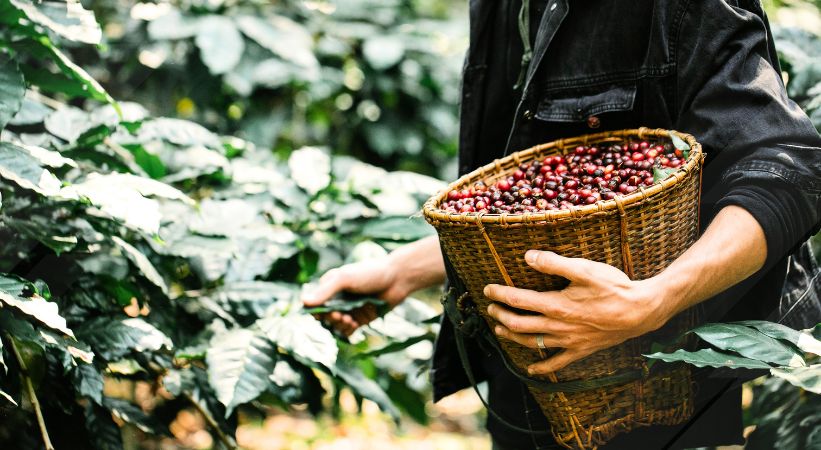
March is an underrated month. The post-festival crowds have thinned, the weather is warming but not yet uncomfortable, and the coffee harvest is either just ending or being processed — the estates smell extraordinary.
By April, valley temperatures push toward 30°C. The peaks remain cooler, but the waterfall circuit becomes noticeably less rewarding as flow reduces. May is the weakest month of this window — heat is building, waterfalls are at their yearly low, and there’s no seasonal hook to make the trip feel special.
The one genuine reason to visit in March or April: the coffee blossom season. For two to three weeks in February-March, Arabica estates across Chikmagalur are covered in small white flowers with a scent compared to jasmine. It’s a local phenomenon almost no travel guide mentions, and it’s genuinely worth timing a trip around.
Temperature range: 20°C to 33°C Crowd level: Low to Moderate What closes: Nothing major, but waterfall appeal drops sharply by May
June to September — Monsoon: For the Right Traveller Only
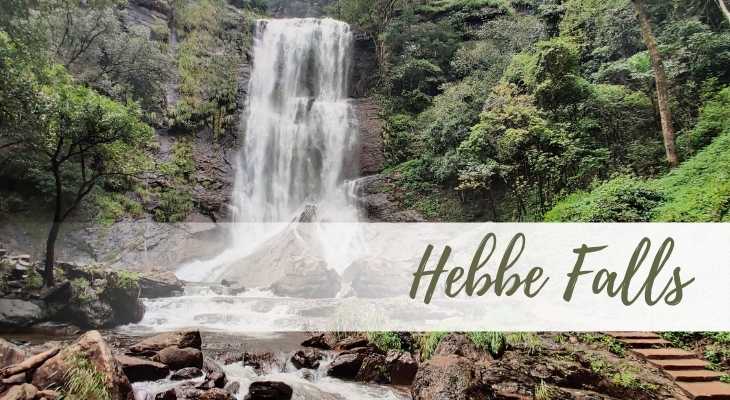
The Western Ghats receive some of India’s heaviest rainfall, and Chikmagalur sits directly in that path. June to September transforms the district — waterfalls explode, every hillside turns vivid green, and the coffee estates look their dramatic best.
But the trade-offs are real. The Kudremukh trek closes from June through September on forest department orders. Several jeep routes to Hebbe Falls and Z Point become inaccessible. Leeches are active on every forested trail from July onwards. Mist and cloud can obscure peak views for days at a stretch.
This is not a season to skip entirely — it’s a season for a specific kind of traveller. If your priority is dramatic waterfall photography, raw landscapes, and you’re comfortable with unpredictable access, monsoon Chikmagalur is unlike anywhere else in Karnataka.
If you’re trekking, taking elderly family members, or want a reliably comfortable trip, wait until October.
Temperature range: 17°C to 27°C Crowd level: Low (except weekends in September) What closes: Kudremukh trek, several jeep routes, some forest paths
Best Time to Visit Chikmagalur — Month by Month
January ⭐⭐⭐⭐⭐
The single best month for a first visit. Weather is at its most stable — cool mornings, warm afternoons, virtually no rain. All attractions are fully accessible. The post-December holiday crowd has cleared, so weekends are manageable. Coffee estates are quiet but picturesque post-harvest. Temperatures drop to around 13°C at night on the peaks — carry a light jacket.
Verdict: Go. Best all-round month.
February ⭐⭐⭐⭐⭐
Virtually identical to January in weather quality, with one bonus: the coffee blossom season begins in the second half of February. Arabica estates fill with white flowers, and the scent across the hills is remarkable. Fewer tourists than any other peak-weather month. An ideal choice for couples and photographers.
Verdict: Go. Especially if you want the blossom experience.
March ⭐⭐⭐⭐
Temperatures begin climbing in the valleys but the peaks stay pleasant. Crowd levels are low — this is the gap between peak season and summer visits. The landscape is drying slightly from its monsoon lushness, but plantation visits are still excellent. Waterfalls are reduced but still flowing. Good value on accommodation.
Verdict: Go. Underrated and undervisited.
April ⭐⭐⭐
Noticeably warmer in Chikmagalur town (28–30°C by midday), though the hills remain cooler. Not ideal for strenuous trekking in the afternoon. Waterfalls are thin. Best suited for coffee estate stays, cultural visits (Amrutesvara Temple, Belur–Halebidu), and early morning hikes. Avoid planning an active outdoor itinerary.
Verdict: Go only for estate/culture focus. Skip if you want waterfalls or trekking.
May ⭐⭐
The weakest month. Waterfalls are at yearly minimum flow, heat is building across the region, and there’s no distinct seasonal appeal to compensate. Pre-monsoon humidity makes outdoor activity uncomfortable by late morning. Most experienced travellers skip May entirely.
Verdict: Skip unless you have no other option.
June ⭐⭐⭐
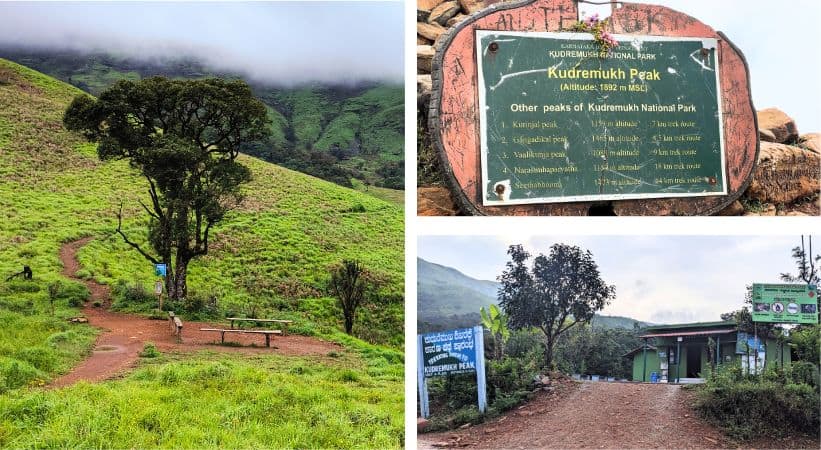
Monsoon arrives, usually in the first week of June. The landscape begins transforming rapidly. Waterfalls start returning to life by mid-June. However, forest trails are just getting wet and some access roads are not yet reliable. Kudremukh trek closes. For most travellers, July is a better monsoon month — June is the transition.
Verdict: Only if you enjoy the early monsoon atmosphere. Not for trekkers.
July ⭐⭐⭐⭐
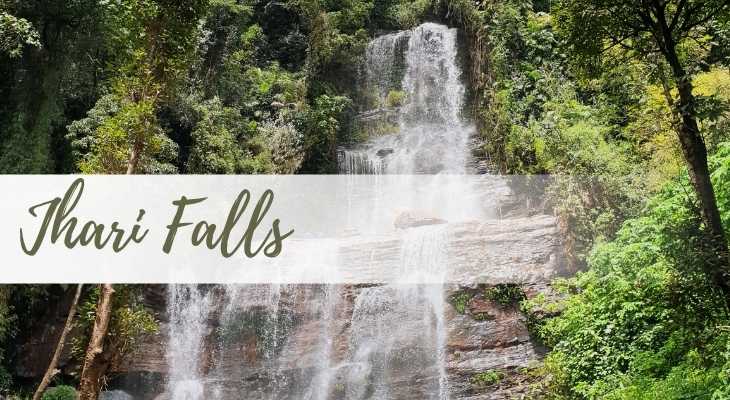
Peak monsoon. Hebbe Falls, Jhari Falls, and Kallathigiri Falls are at maximum volume and most dramatic. The landscape is at its greenest. Roads and jeep routes are operational on good days but can close after heavy overnight rain — always check locally before heading out. Leeches are active everywhere in the forest. Not suitable for families with young children on trails.
Verdict: Go for waterfall photography. Not for trekking or comfort travel.
August ⭐⭐⭐⭐
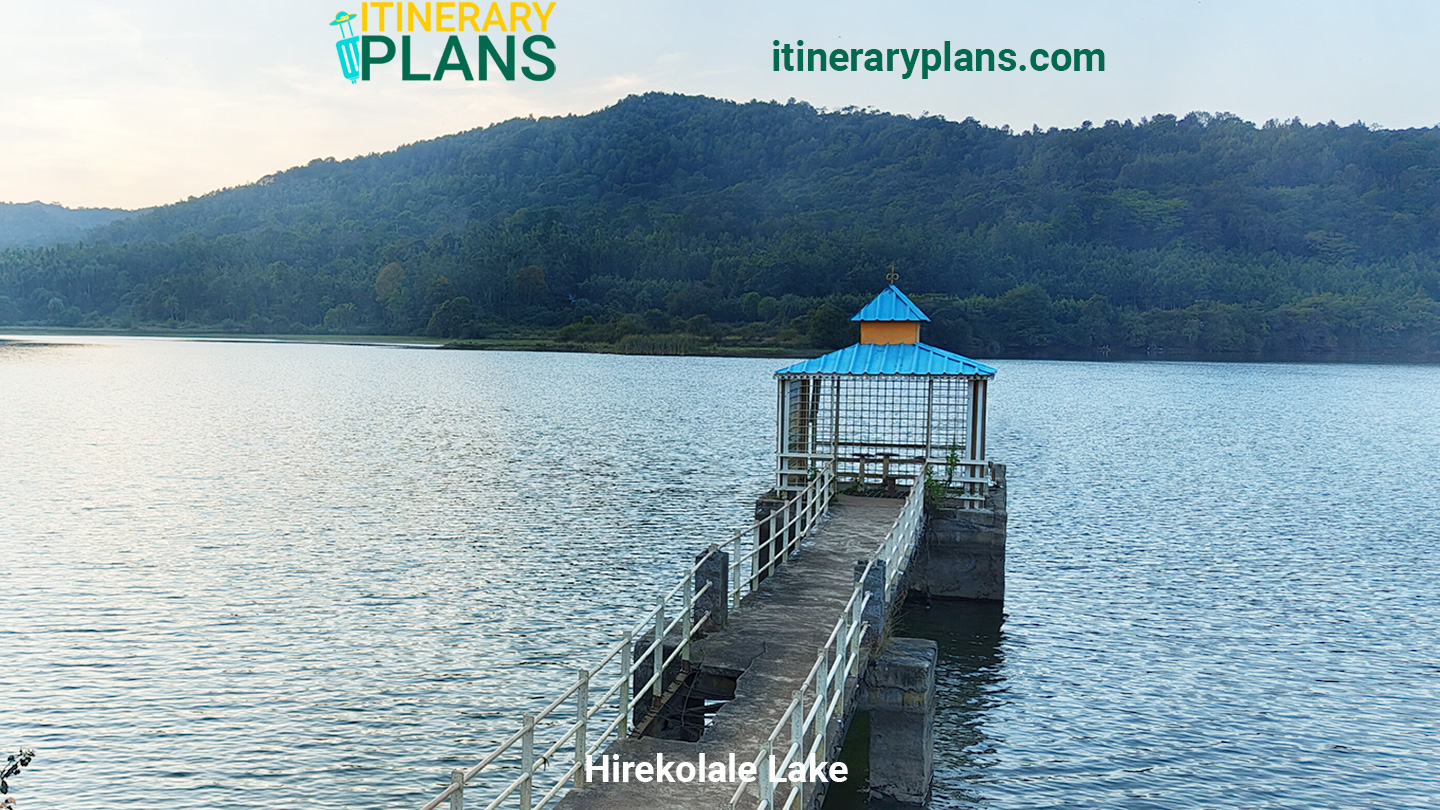
Similar to July in terms of waterfall drama and landscape. Rainfall is slightly more unpredictable — some August weeks bring continuous heavy rain that grounds most outdoor plans. The Kudremukh trek remains closed. However, Ayyanakere Lake and Hirekolale Lake look extraordinary in monsoon, and the coffee estates are fully green. Weekend crowds are beginning to thin.
Verdict: Go if you accept unpredictability. Same trade-offs as July.
September ⭐⭐⭐⭐
The transition month — and arguably the best monsoon month for Chikmagalur. Rainfall is tapering, waterfalls are still strong, and forest trails are starting to become accessible again. The landscape remains green but roads are drying. Leeches reduce significantly in the second half of September. Kudremukh trek typically reopens in late September or early October.
Verdict: Excellent choice for the monsoon-curious traveller who still wants some trail access.
October ⭐⭐⭐⭐⭐ (with one major caveat)
Post-monsoon Chikmagalur is spectacular. Skies are clear, waterfalls are still reasonably full from the rains, forests are their richest green, and all trek routes are open. October is technically the best month for diversity — you get some waterfall appeal AND full trekking access.
The caveat: Dussehra long weekend. Every hotel, every jeep, and every viewpoint fills to capacity. Traffic to Mullayanagiri during Dussehra weekend is genuinely dangerous — vehicles queue for hours on narrow mountain roads. If your dates fall on or near Dussehra, either book 3–4 weeks ahead or choose November instead.
Verdict: Excellent month — but never during Dussehra weekend.
November ⭐⭐⭐⭐⭐
The quieter, smarter version of October. Weather is identical, waterfalls are still present, all treks are fully operational, and the Dussehra rush is over. Accommodation rates begin softening. November is the month experienced Chikmagalur travellers recommend to each other but don’t put on their Instagram captions — it’s genuinely the sweet spot of the year.
Verdict: Go. The best-kept secret month in Chikmagalur.
December ⭐⭐⭐⭐
Temperatures drop noticeably — nights on the peaks can reach 10–12°C, which surprises travellers from coastal cities. Pack layers. The year-end holiday period (Christmas to New Year) brings a crowd spike, but nothing like Dussehra. Waterfalls are reduced but not gone. Clear skies make Mullayanagiri sunrises particularly rewarding. A good choice for those whose schedules only allow December travel.
Verdict: Go. Just pack warmer than you think you need to.
Best Time to Visit Chikmagalur by Travel Type
Best Time to Visit Chikmagalur For Trekking
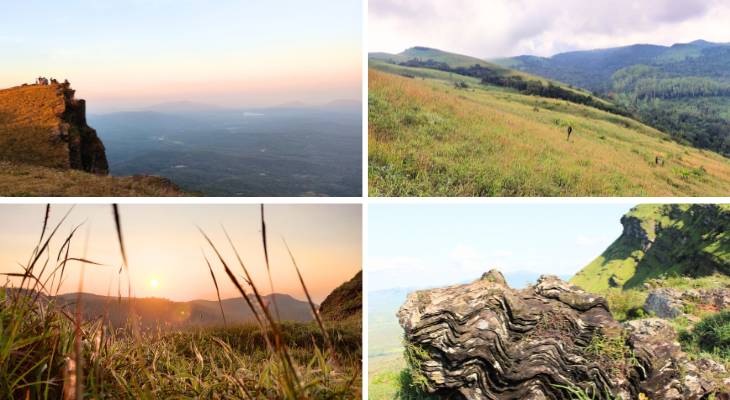
The Kudremukh trek and Mullayanagiri are both at their most accessible and rewarding between October and February. Trails are dry, skies are clear, and early morning starts are comfortable rather than punishing. The Kudremukh trek specifically closes from June through September — plan around this if it’s your priority.
For the Mullayanagiri summit, always start before 7 AM regardless of season. Cloud cover rolls in from the valley by 9:30–10 AM and can erase the view entirely within minutes.
Best Time to Visit Chikmagalur For Waterfalls
Hebbe, Jhari, and Kallathigiri Falls peak between July and September. By October, they’re still flowing well from residual monsoon water but have lost the thunderous volume of peak monsoon. If a specific waterfall experience is your primary reason for visiting, July or August gives you the most dramatic version — with the trade-offs noted above.
Best Time to Visit Chikmagalur For Coffee Estate Experience
The coffee calendar has two interesting windows. February to March brings the blossom season — white flowers, intense fragrance, extraordinary photography. October to November is post-harvest processing time — you can watch coffee being pulped, dried on raised beds, and sorted. Both windows give you a working estate experience rather than just a scenic backdrop.
Best Time to Visit Chikmagalur For Couples and Honeymoon
The combination of cool weather, clear skies, manageable crowds, and the dramatic Western Ghats landscape makes this window ideal. February specifically — with the coffee blossoms and Hirekolale Lake at its calmest — is the most romantic month in Chikmagalur by a considerable distance.
Best Time to Visit Chikmagalur For Families With Kids or Elderly Travellers
Stable weather, no leech risk, reliable road access, and comfortable temperatures across all altitudes. January and February give families the best conditions for the widest range of activities without the physical demands of monsoon trails or the summer heat. Avoid school holiday weekends in any of these months — Bangalore families descend on Chikmagalur during Karnataka and Tamil Nadu school breaks.
Best Time to Visit Chikmagalur For Budget Travellers
Off-peak pricing applies in April, May, and the first half of September. Homestay rates can drop 30–40% compared to October–January prices. Jeep hire is also more negotiable. The trade-off is weather — but budget travellers who time September correctly get post-monsoon freshness at pre-peak prices.
Best Time to Visit Chikmagalur For Wildlife and Birdwatching
Bhadra Wildlife Sanctuary and Kudremukh National Park are both most rewarding between October and March. The drying forest makes wildlife spotting easier — animals congregate near water sources that are becoming more predictable post-monsoon. Over 200 bird species have been recorded in Kudremukh; winter migratory species add to resident populations between November and January.
When NOT to Visit Chikmagalur — The Honest Version
Dussehra Long Weekend (October)
This deserves its own warning because most guides list October as the best month without mentioning this. The Dussehra long weekend — typically a 4 to 5-day holiday cluster in October — triggers a mass exodus from Bangalore. Every accommodation within 50 km fills weeks ahead. Mullayanagiri’s approach road becomes a single-lane traffic queue stretching several kilometres. Jeep prices double or triple. The summit, when you finally reach it, looks like a crowded viewpoint in Shimla.
If your trip overlaps with Dussehra weekend, the options are: book at least 3 weeks ahead and accept the crowds, or shift your dates to the week before or after.
May
No dramatic waterfalls. Temperatures uncomfortable for afternoon trekking. No harvest, no blossom, no distinctive seasonal appeal. The landscape looks tired before the monsoon refreshes it. There’s no compelling reason to choose May unless your travel dates are fixed.
July–August for Trekkers
The Kudremukh trek closes, the Z Point jeep route is often inaccessible, and leeches make forested trails genuinely unpleasant without proper preparation. If trekking is the point of your trip, these two months will frustrate you. The same landscape that looks extraordinary in photos during monsoon is actively hostile for anyone wanting to move through it on foot.
Peak School Holidays — Any Season
Karnataka and Tamil Nadu school holiday weeks in June and October bring a specific crowd type to Chikmagalur — large family groups, tour buses, and significantly higher demand on the same limited infrastructure. If your dates happen to align with these windows, expect queues at popular falls and limited jeep availability.
Chikmagalur Weather by Month — Quick Reference Table
| Month | Avg High | Avg Low | Rainfall | Crowd Level | Best For |
| January | 26°C | 13°C | Very Low | Moderate | Trekking, all-round |
| February | 28°C | 14°C | Very Low | Low | Blossoms, couples |
| March | 30°C | 16°C | Low | Low | Estates, culture |
| April | 32°C | 18°C | Low | Low | Budget, culture |
| May | 33°C | 20°C | Moderate | Low | Avoid |
| June | 28°C | 20°C | Very High | Very Low | Early monsoon |
| July | 26°C | 19°C | Very High | Low | Waterfalls |
| August | 26°C | 19°C | Very High | Low | Waterfalls |
| September | 27°C | 18°C | High | Low–Moderate | Transition month |
| October | 27°C | 16°C | Low | Very High | Trekking + waterfalls |
| November | 26°C | 14°C | Very Low | Moderate | Best overall |
| December | 24°C | 11°C | Very Low | Moderate–High | Clear skies, peaks |
What to Pack Based on When You Visit
Visiting from October to February
- Light layers for daytime, a fleece or light jacket for evenings and summit mornings
- Temperatures at Mullayanagiri can drop to 10–12°C at sunrise — a windproof outer layer matters more than a heavy coat
- Comfortable trekking shoes with ankle support
- Sunscreen — the Western Ghats sun is deceptive in winter
Visiting June to September (Monsoon)
- Waterproof jacket and quick-dry clothing — not an umbrella, which is useless on open hillsides
- Leech socks or gaiters, plus a small container of salt for removal
- Waterproof bag or dry bags for electronics
- Extra footwear — you will get wet, and wet shoes at altitude are miserable
- Anti-leech balm, available at most Chikmagalur pharmacies if you forget
Visiting March to May
- Light, breathable clothing for valley activity
- A layer for early morning peak visits — it’s still cooler at altitude even in April
- High-SPF sunscreen
- More water capacity than you think you need — dehydration is faster in the warming months
Frequently Asked Questions
Q: What is the best time to visit Chikmagalur for a first-time traveller?
A: November or January are the two safest choices for a first visit. Both offer clear weather, full access to all attractions, comfortable temperatures, and manageable crowd levels. November has a slight edge for value — rates are lower than December and the post-monsoon landscape is still lush.
Q: Is Chikmagalur good in the monsoon season?
A: For waterfall photography and dramatic landscapes, yes — July and August are the most visually striking months. But the Kudremukh trek closes, several jeep routes become inaccessible, and leeches are present on all forested trails. Monsoon Chikmagalur suits adventurous travellers who are flexible with plans, not those wanting a structured itinerary.
Q: Can I visit Chikmagalur in summer?
A: March is a good summer option. April is manageable with adjusted expectations — focus on estate stays and temple visits rather than trekking. May is the one month most experienced travellers recommend skipping — heat is building, waterfalls are at a minimum, and there’s no seasonal highlight to compensate.
Q: Is December a good time to visit Chikmagalur?
A: Yes, with two things to prepare for: cold mornings at the peaks (10–12°C at sunrise), and a crowd spike during Christmas and New Year week. Avoid the 25 December to 1 January window if you prefer quieter travel. The rest of December offers clear skies, full trail access, and some of the best sunrise conditions of the year.
Q: Which month is best for the Kudremukh trek?
A: October to May is the operational window, with October to February being ideal. The trek closes from June to September on forest department orders. For the best combination of clear weather, visible wildlife, and manageable trail conditions, November is the single best month for Kudremukh.
Q: Is Chikmagalur crowded in October?
A: October is the most visited month overall — but the crowd level depends entirely on your dates. Avoid Dussehra long weekend, when the district becomes genuinely overcrowded and accommodation is nearly impossible to find without advance booking. The weeks before and after Dussehra are far more manageable, with the same excellent weather.
Q: Is Chikmagalur better than Coorg in monsoon?
A: Different strengths. Coorg has better infrastructure for monsoon visitors — more homestays designed for rainy-season comfort, better road maintenance, and Dubare Elephant Camp as a monsoon-specific experience. Chikmagalur’s waterfalls are more dramatic in volume, but access is harder. If you’re a first-time monsoon hill station visitor, Coorg is more forgiving. If you’ve done Coorg in monsoon and want something rawer, Chikmagalur delivers.
Q: How cold does Chikmagalur get in winter?
A: The valley town itself rarely drops below 12–13°C even in January. But the peaks are a different story — Mullayanagiri at sunrise in December or January can feel closer to 8–10°C with wind chill. This is not extreme cold by any standard, but it surprises travellers from Chennai, Bangalore, or coastal Karnataka who pack only summer clothes.
Final Thoughts
The best time to visit Chikmagalur isn’t a single answer — it depends on what you’re actually going for.
First-timer wanting everything? November or January. Waterfall-obsessed photographer? July or August. Serious trekker targeting Kudremukh? November. Budget conscious with flexible dates? September or March. Couple looking for something quiet and memorable? February.
What every month has in common: Chikmagalur rewards travellers who start early, carry cash, and don’t over-schedule. The hill roads, the coffee estates, and the weather all have their own rhythm — your itinerary works best when it bends to them rather than against them.
Plan your days once you know your dates:
- Ready to build your itinerary? Read our 4-day Chikmagalur travel guide covering where to stay, how to get around, and what each day should look like.
- Coming for a weekend only? Our 3-day Chikmagalur guide gives you entry fees, jeep costs, and timings for every major attraction.
Is trekking your priority? See our complete Kudremukh trek guide before booking your permit.