
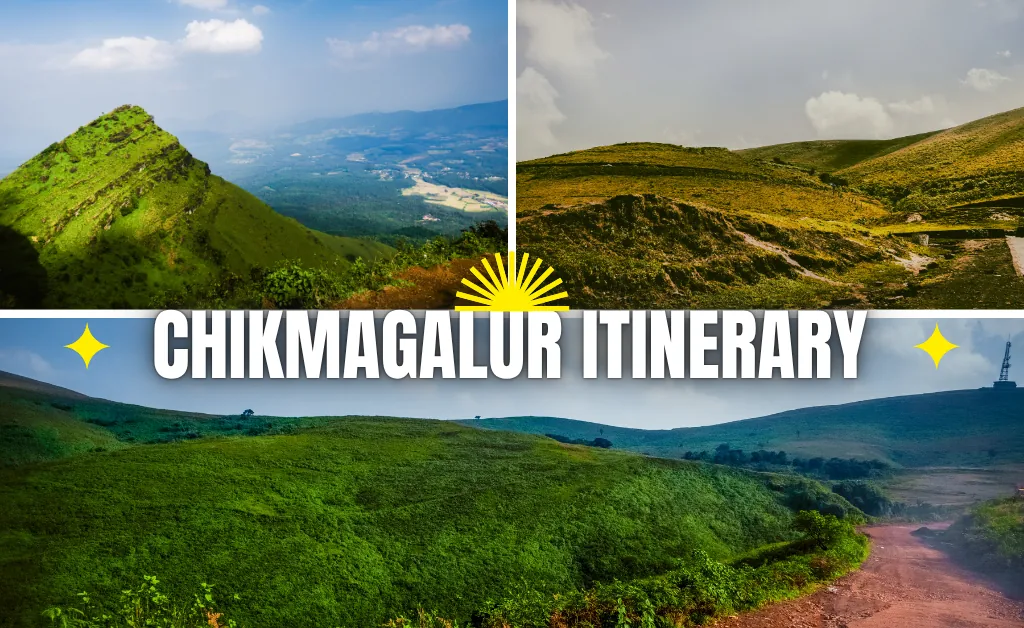
The mist is still clinging to the coffee trees when you step outside your homestay at 6 AM. The air smells like wet earth and roasted beans. Somewhere above you — hidden behind a wall of cloud — is Mullayanagiri, the highest peak in Karnataka.
This is what a good Chikmagalur itinerary feels like before it even begins.
Chikmagalur isn’t a destination you rush through. It’s a hill station in Karnataka’s Western Ghats that rewards slow mornings, detours down muddy plantation roads, and the willingness to swap your plans for a jeep driver’s local tip. Done right, four days here will leave you rested, genuinely awed, and slightly addicted to filter coffee.
This guide gives you a realistic, experience-first Chikmagalur itinerary — with honest logistics, practical budgets, and the kind of tips that only come from actually being there.
Table of Contents
Quick Answer
What is the best Chikmagalur itinerary? Four days is ideal for Chikmagalur. Spend Day 1 settling in and exploring the town and coffee estates. Use Day 2 for the Mullayanagiri and Baba Budangiri peaks. Dedicate Day 3 to the waterfall circuit — Hebbe, Jhari, and Kallathigiri. Use Day 4 for Kudremukh or the Hoysala temple trail at Belur and Halebidu.
Shorter on time? See our detailed 3-day Chikmagalur guide with entry fees and transport costs for every attraction.
Chikmagalur, India Map
Is Chikmagalur Right for You?
Before you book, it’s worth being honest about what Chikmagalur is — and isn’t.
Chikmagalur is ideal for:
- Trekkers and hikers who want proper trails, not theme park walks
- Couples looking for a quiet, scenic retreat away from crowds
- Coffee enthusiasts who want to see where Indian coffee actually comes from
- Wildlife lovers — Bhadra Wildlife Sanctuary and Kudremukh National Park are both nearby
- Anyone who enjoyed Coorg but wants somewhere less commercial
You might be disappointed if:
- You’re expecting manicured luxury resorts (they exist, but they’re not the point here)
- You want everything within walking distance — you’ll need a vehicle for almost every attraction
- You’re visiting in peak monsoon (July–August) and expecting to trek — most trails close
- You’re looking for nightlife or shopping
Chikmagalur vs Coorg vs Wayanad: Coorg is more polished and better connected, but noticeably more crowded and expensive. Wayanad offers similar landscapes with better wildlife viewing. Chikmagalur sits in the middle — rawer than Coorg, more accessible than deep Wayanad, and less discovered than either. If you’ve already done Coorg, Chikmagalur is the natural next destination.
When to Visit Chikmagalur
Most guides say “September to May” and leave it there. Here’s what that actually means by month:
- October to February — Best overall The skies are clear, peaks are visible, and the weather is genuinely pleasant (15–25°C). This is peak trekking season. Book accommodation early — weekends in October and November sell out fast, especially around long holidays.
- March to May — Good, with caveats It gets warmer (up to 32°C in the valleys), but the coffee harvest is happening, which is a unique experience few travellers plan around. Waterfalls will be reduced to a trickle by May.
- June to September — For the right kind of traveller only The waterfalls are at their dramatic best. The landscape turns an impossible green. But the Kudremukh trek closes, many jeep routes become impassable, and roads can flood. If you’re fine with that — and want to experience Chikmagalur the way locals do — monsoon has its own magic.
- One honest warning: Avoid the Dussehra long weekend in October at all costs. Every hotel within 50km fills up, jeep prices triple, and Mullayanagiri becomes genuinely dangerous with crowds.
How to Reach Chikmagalur
From Bangalore (Most Common Route)
Chikmagalur is 245 km from Bangalore — roughly 5 to 6 hours by road on a weekend with traffic.
Take NH75 via Hassan — it’s faster and better maintained than the Sakleshpur ghat road. The Sakleshpur route is more scenic but slower and harder on non-SUV vehicles.
Self-drive is strongly recommended. Chikmagalur’s attractions are spread across a 50–100 km radius, and relying on auto-rickshaws or local buses will either break your schedule or your budget for taxis.
- By Bus: KSRTC runs overnight Airavat (Volvo) buses from Bangalore’s Majestic bus stand. Journey time is around 6–7 hours. Seats fill quickly on weekends — book through the KSRTC app or website 3–4 days ahead.
- By Train: The nearest railway station is Kadur, about 40 km from Chikmagalur town. Trains connect from Bangalore and Mangalore, but Kadur has limited onward transport. You’ll need to arrange a taxi from there, which adds cost and complexity. This route only makes sense if you’re coming from Mangalore.
- Flying In: The nearest airport is Mangalore International (around 113 km away). If you’re flying in from another city, a Mangalore landing followed by a rented car makes for a good entry — you can explore the coastal stretch or Udupi en route.
Where to Stay in Chikmagalur
- Chikmagalur Town: Best for travellers without a car. Several mid-range hotels and guesthouses are available, and you can hire jeeps from town for day trips. Rates run from ₹1,200 (budget) to ₹4,000 (mid-range) per night.
- Coffee Estate Homestays: This is the real Chikmagalur experience. Several plantation families now host guests, offering rooms inside working estates with morning plantation walks, home-cooked Malnad meals, and genuine hospitality. Rates range from ₹2,500 to ₹6,000 per night, including meals. Book directly — most don’t list on OTAs, and a Google search for “Chikmagalur coffee estate homestay” will turn up the best current options.
- Near Kudremukh or Sringeri: If your Day 4 is focused on Kudremukh or the temple circuit, consider staying a night near Kalasa or Sringeri to avoid a very early drive. Options are basic but clean.
If your Day 4 is the Kudremukh trek, consider booking a homestay near Kudremukh the night before — it cuts an hour off your morning drive and means you can start the trail at sunrise, which is when wildlife sightings actually happen.
Key tip: Do not leave accommodation to chance for any weekend between October and January. Book at least 2 weeks ahead.
Getting Around — What No One Tells You
This is the section most Chikmagalur guides skip, and it’s the one that makes or breaks a trip.
The reality: Almost no major attraction is reachable by public bus, and auto-rickshaws don’t operate beyond the town limits.
Jeep hire is the primary mode of transport for most tourist circuits. You’ll find jeeps for hire near the Chikmagalur bus stand and through your homestay. Expect to pay:
- ₹600–₹800 for short trips (Hirekolale Lake, Mahatma Gandhi Park)
- ₹1,500–₹2,500 for a half-day circuit (Mullayanagiri + Baba Budangiri)
- ₹3,000–₹4,500 for a full waterfall day (Hebbe + Jhari + Kallathigiri)
Always negotiate before you get in. Settle on a full-day rate rather than per-destination to avoid disputes.
Self-drive visitors: Most roads to town-level destinations are fine for a standard hatchback. For Hebbe Falls, Kudremukh, and the Baba Budangiri jeep trail, you need either a high-clearance vehicle or to hire a local jeep from the checkpoint. Don’t attempt these in a small car.
Mobile network: Jio has the best coverage across the hills. BSNL works in remote areas where private networks drop. Download Google Maps offline before you leave Bangalore — data connectivity is inconsistent on mountain roads.
The 4-Day Chikmagalur Itinerary
Day 1 — Arrive, Slow Down, Get the Feel of the Place
Don’t try to cram an attraction into Day 1 if you’re driving from Bangalore. You’ll arrive tired, and the best of Chikmagalur deserves alert eyes.
- Afternoon: Once checked in, head to a coffee plantation for a guided tour. This sets the context for everything you’ll see over the next three days — the Baba Budan story, the shade-grown process, the difference between Arabica and Robusta grown on these same hills. Many estate homestays include this; if yours doesn’t, ask for a recommendation.
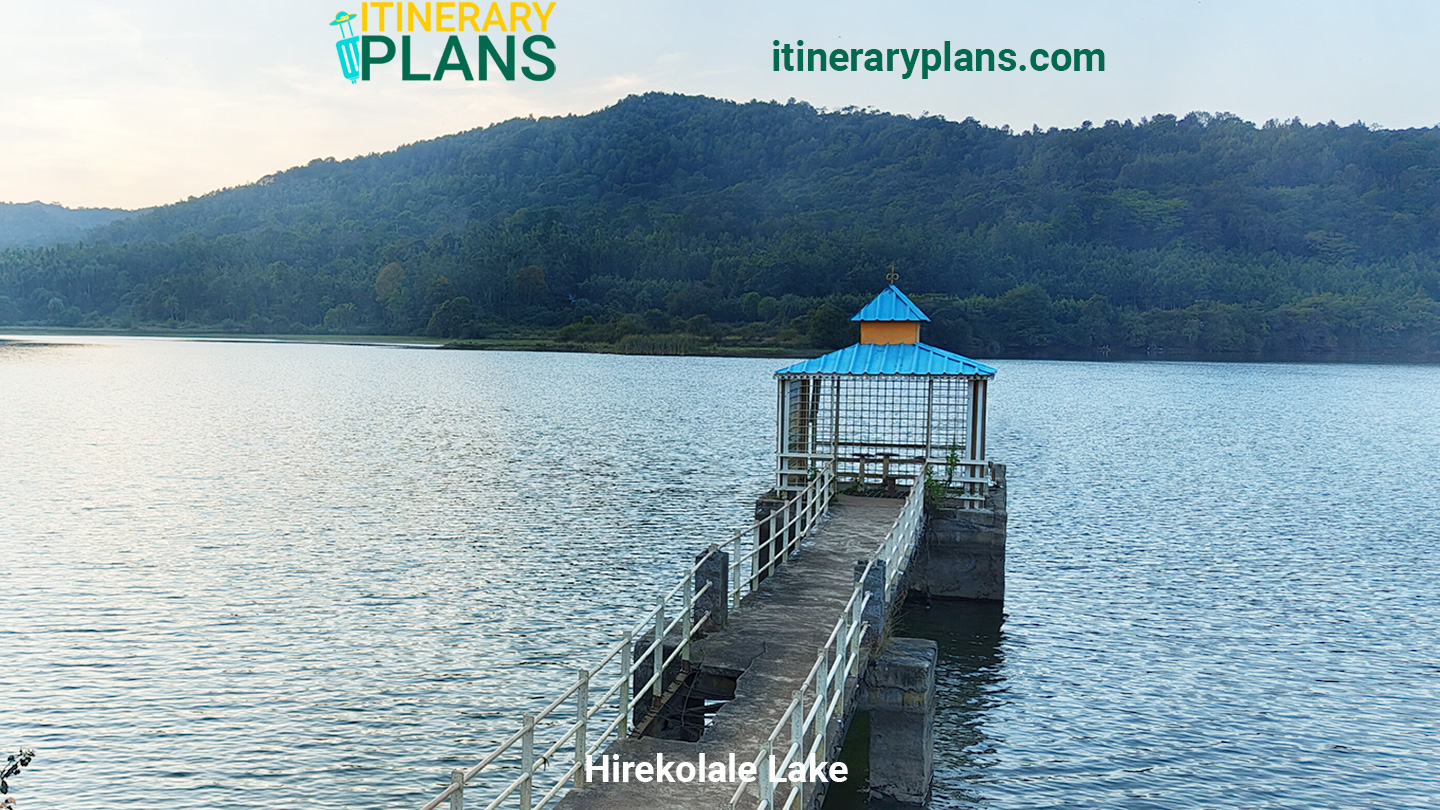
- Evening: Time Hirekolale Lake for 4:30–5:30 PM. The mountain backdrop turns gold before the sun drops. It’s an easy drive around 10km) from town and completely free. Photographers should bring a wide-angle lens.
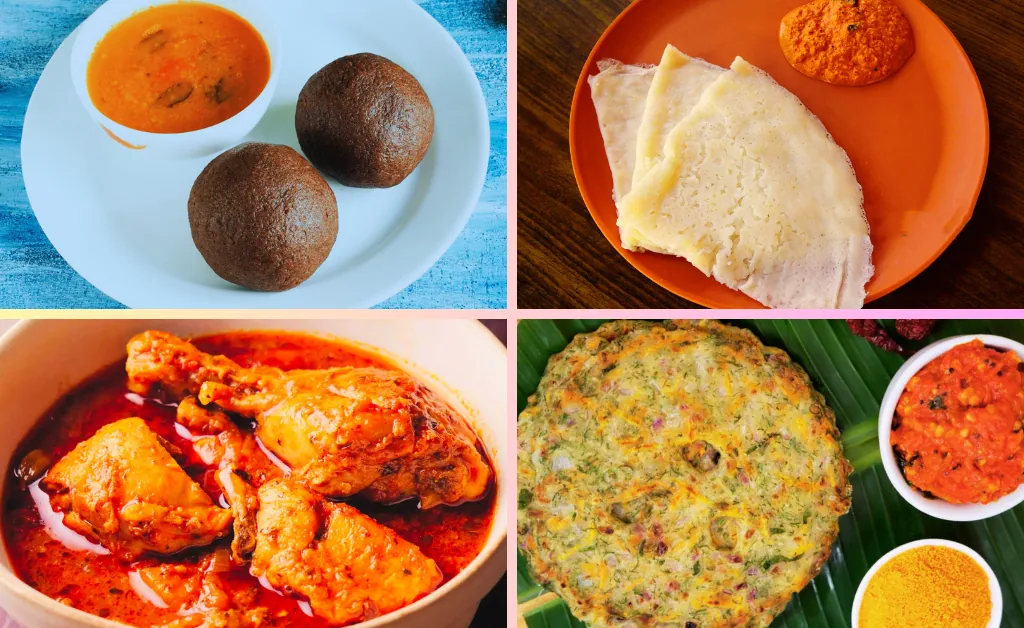
- Dinner: Eat at a local restaurant serving Malnad cuisine — not a hotel “multi-cuisine” menu. Order Neer Dosa with Koli Saaru (country chicken curry), Akki Roti, or a simple Ragi Mudde with saaru. This is the food of this region, and it’s exceptional.
Go to sleep early. Day 2 requires a 6 AM start.
Day 2 — The Peaks: Mullayanagiri and Baba Budangiri
Travel infographic map for Day 2 of a Chikmagalur itinerary featuring Mullayanagiri Peak, Seethalayanagiri Viewpoint, Baba Budangiri, and Manikyadhara Falls. The design includes scenic route lines from Chikmagalur town, mountain and waterfall imagery, travel distances, trek details, and itinerary highlights in a green and yellow branded layout with the Itinerary Plans logo.
- Start by 6 AM. This is non-negotiable for Mullayanagiri. Clouds roll in from the valley by 9:30–10 AM and can completely obscure the summit view. Early risers get the panorama; late starters get fog.
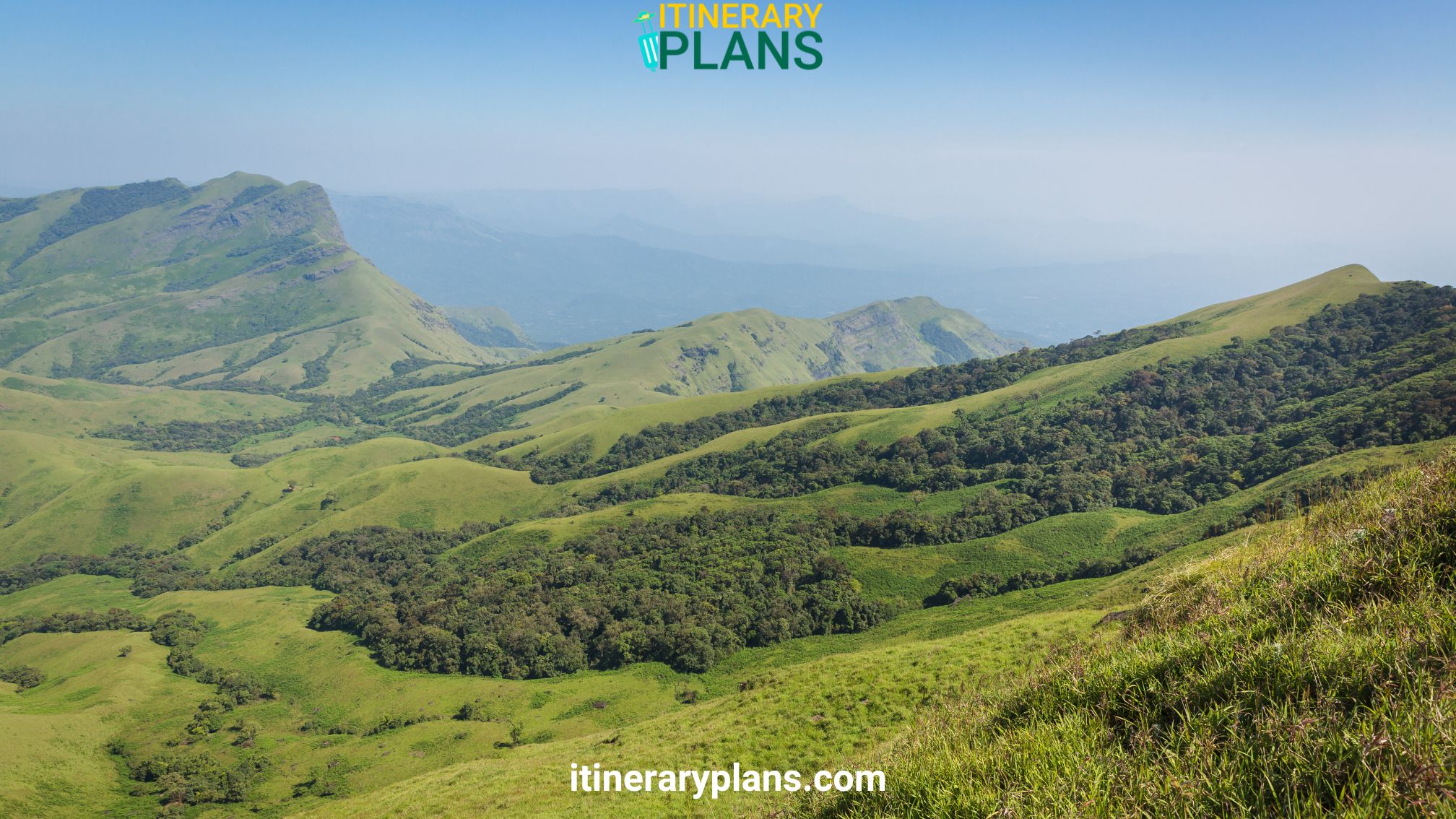
- Mullayanagiri (35 km from town) is Karnataka’s highest peak at 1,930 metres. You can drive most of the way up and do a short 20-minute trek to the summit, or take a longer trail from the base. The 360° view across the Western Ghats on a clear morning is one of the finest in South India. Entry: ₹100 per car, ₹50 per bike.
- On the way down, pause at Seethalayanagiri — a small, quiet viewpoint that most visitors skip entirely. Worth 20 minutes.
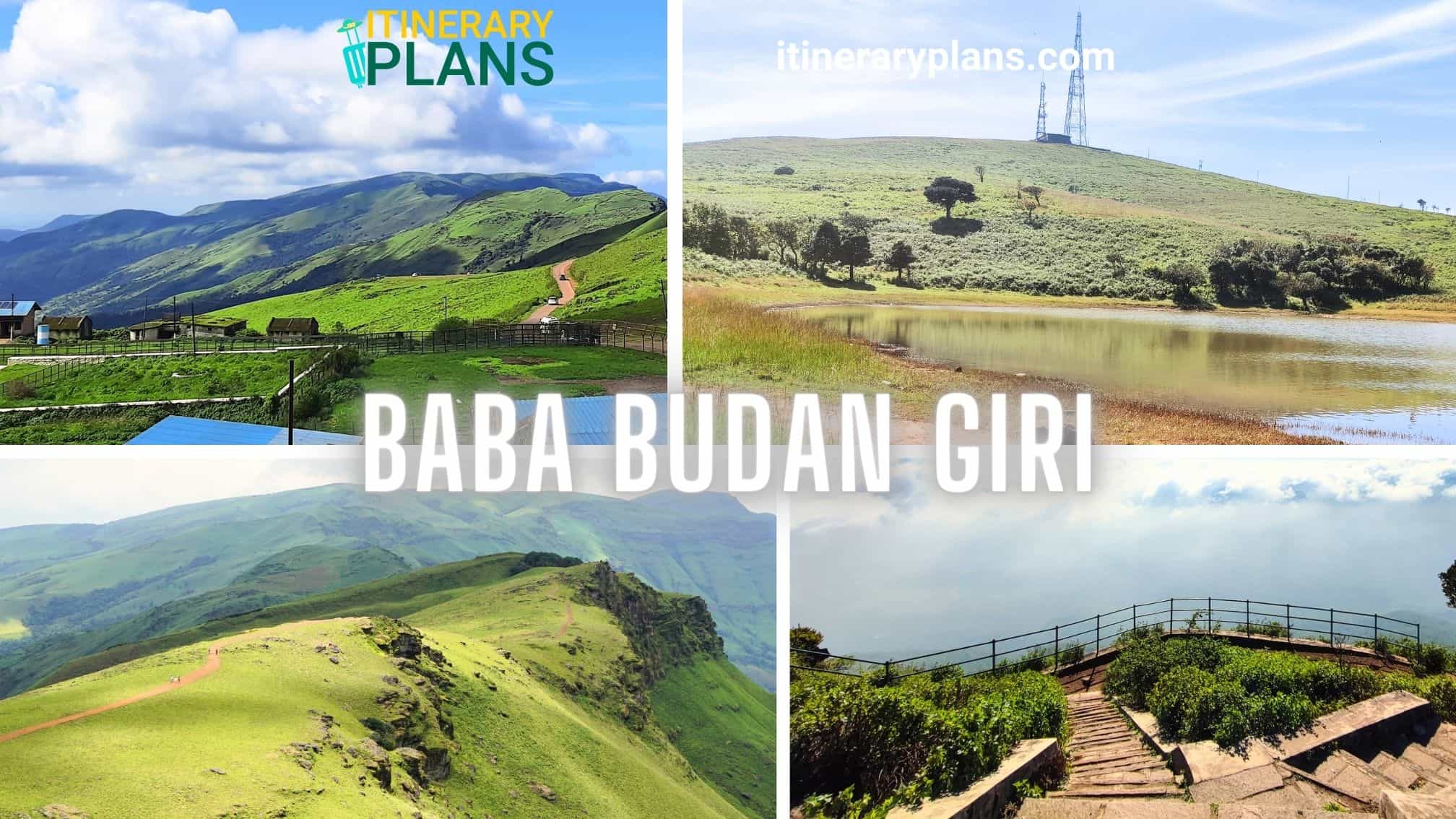
- Baba Budangiri (33 km from town, near Mullayanagiri) is historically significant as the site where Sufi saint Baba Budan is said to have first planted coffee in India. It’s also a sacred site for both Hindus and Muslims, with a cave shrine and pilgrimage atmosphere. The drive up through the forest is beautiful.
Combine this with a stop at Manikyadhara Falls nearby — a short waterfall considered holy, surrounded by forest. It’s a 7 km detour from Baba Budangiri and worth it.
Back by 2–3 PM. Rest. Tomorrow is the physically demanding waterfall day.
Day 3 — The Waterfall Circuit: Hebbe, Jhari, and Kallathigiri
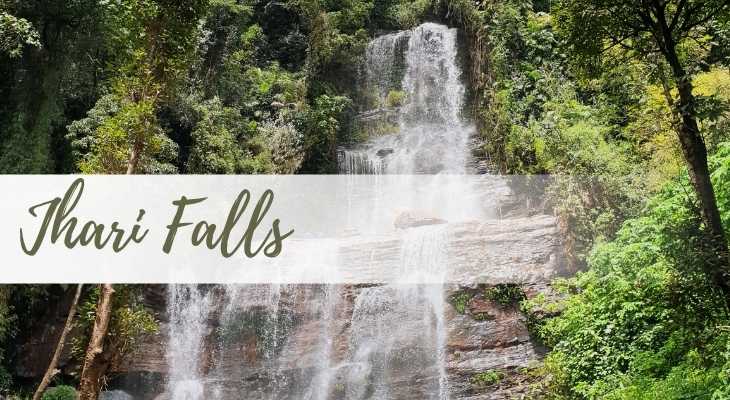
Chikmagalur’s waterfall circuit goes well beyond what fits into a single day — if you want to explore every fall worth visiting in the district, our complete guide to waterfalls in Chikmagalur covers them all in one place.
You cannot do this day without a jeep. Book one the evening before through your accommodation.
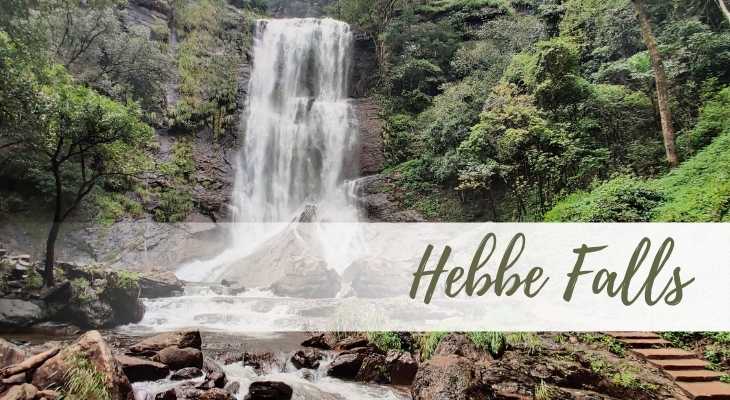
- Hebbe Falls is the centrepiece of this day — a dramatic two-tier waterfall deep inside a private coffee estate, accessible only by a bone-rattling jeep ride through narrow plantation tracks. The falls drop around 168 metres total. The pool at the base is swimmable and cold. Allow 2–3 hours here. Jeep cost from the estate checkpoint: around ₹4,000 for a group of up to 6.
- Jhari Falls (Buttermilk Falls) is quieter, less photographed, and surrounded by dense forest. It’s a better photography spot than Hebbe if you’re there without a crowd, which is likely if you arrive before 11 AM. The trek down is about 5 km return.
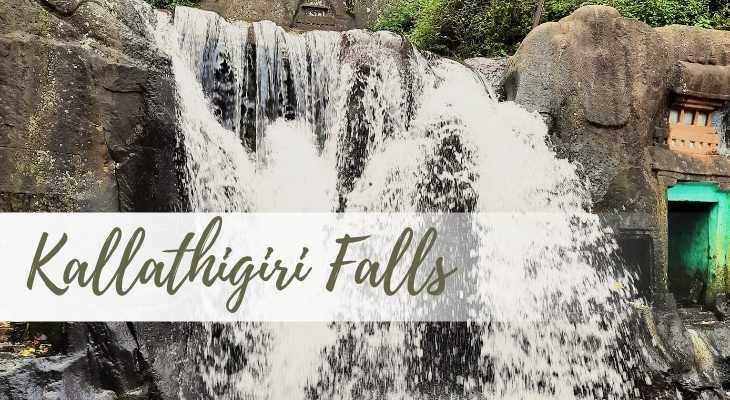
- Kallathigiri Falls makes a good end-of-day stop. It drops around 122 metres, and there’s a small Veerabhadreshwara Temple nearby that adds a cultural dimension to an otherwise nature-heavy day. Fewer crowds than Hebbe, especially after 3 PM.
If the jeep driver has time and you’re not waterfall-weary by late afternoon, ask about adding Z Point to the route — it’s a short detour near Kemmangundi with sweeping valley views and one of the best natural breezeways in the district.
One thing to skip today: Kudremukh. It’s over 2 hours from the waterfall circuit, and combining them ruins both experiences. Save it for Day 4.
Day 4 — Choose Your Own Ending: Kudremukh or Hoysala Temples
By Day 4, you know what kind of traveller you are. Pick accordingly.
- Option A — Kudremukh National Park (for trekkers and wildlife enthusiasts) The Kudremukh trek (about 22 km return) is one of the finest in the Western Ghats — rolling shola grasslands, dense forests, and potential sightings of leopard, Malabar giant squirrel, and over 200 bird species. Permits are mandatory and limited — book online through the Karnataka Forest Department before your trip. Season: October to May only. Entry: ₹575 per person + ₹300 camera fee.
- Option B — Belur, Halebidu, and Amrutesvara Temple (for history lovers) About 90 minutes from Chikmagalur, Belur and Halebidu are home to two of the finest examples of Hoysala temple architecture in India — intricate 12th-century stone carvings that genuinely rival anything in Rajasthan for detail and scale. Most visitors to Chikmagalur skip these entirely, which is a real missed opportunity. The Amrutesvara Temple in Amruthapura (67 km from town) is another Hoysala gem, far less visited. This circuit suits those who’ve already done Kudremukh or those travelling with older family members.
Note: This circuit suits those who’ve already done Kudremukh, or anyone travelling with family members who’d rather not trek — and if you want a full breakdown of every significant temple in the region before you go, our guide to temples in Chikmagalur covers the Hoysala trail in detail.
- Afternoon: Whichever option you chose, leave time for the Chikmagalur market before departing. Buy freshly ground estate coffee (ask for the Arabica variety from Baba Budangiri estates), cardamom, pepper, and local honey. Skip the pre-packaged tourist gift boxes — the loose produce from the market is better and cheaper.
If driving back to Bangalore: Leave by 3–4 PM to avoid arriving in the city after midnight.
Chikmagalur Budget Breakdown
| Category | Budget (per day) | Mid-Range (per day) |
| Accommodation | ₹800–₹1,500 | ₹2,500–₹5,000 |
| Transport (jeep hire) | ₹400–₹600 (shared) | ₹1,500–₹3,000 (private) |
| Food | ₹300–₹500 | ₹700–₹1,200 |
| Entry fees | ₹100–₹200 | ₹200–₹600 |
| Total | ₹1,600–₹2,800 | ₹4,900–₹9,800 |
The biggest variable is jeep hire — sharing with other travellers (often arranged by homestays) cuts costs significantly.
What to Eat in Chikmagalur
Malnad cuisine is the food of this region, and it’s deeply underrated on the Indian travel circuit.
- Neer Dosa with Koli Saaru — thin, lacy rice crepes with country chicken curry. Order this for breakfast or lunch.
- Akki Roti — a rice flour flatbread, usually served with chutney and saaru
- Ragi Mudde — finger millet balls, dense and earthy, eaten with mutton or lentil gravies
- Filter coffee — not the instant kind. Ask for estate-fresh drip coffee at local restaurants. The difference is significant.
- Avoid: overpriced “multi-cuisine” restaurants near tourist viewpoints. Head into town for real food at a third of the price.
Practical Tips
- Leeches are active from June through September on all forested trails. Wear full-length trousers, tuck into socks, and carry salt in a small container. Don’t panic — they’re harmless but persistent.
- Cash is essential. ATMs are available in Chikmagalur town but not at attractions. Carry enough for your full day before heading out.
- Kudremukh permits sell out on weekends. Book online at least a week ahead.
- Pack layers. Summit mornings can drop to 10–12°C while valley afternoons hit 28°C. A light fleece and a rain layer cover both.
- Start every major day early. Clouds, crowds, and closed gates all become problems after 10 AM.
FAQs About the Chikmagalur Itinerary
Q: How many days are enough for a Chikmagalur itinerary?
A: Four days is the sweet spot for a complete Chikmagalur itinerary. It covers the main peaks, the waterfall circuit, and either Kudremukh or the Hoysala temples without feeling rushed. Two days is possible from Bangalore but means skipping significant parts of the experience.
Q: Can I do Chikmagalur in 2 days from Bangalore?
A: Yes, but only a highlights version. Focus on Mullayanagiri and Baba Budangiri on Day 1, and Hebbe or Jhari Falls on Day 2 before the drive back. Skip Kudremukh — it deserves a dedicated trip.
Q: Is Chikmagalur worth visiting in the monsoon?
A: For the right traveller, yes. The waterfalls are at peak volume and the landscape is stunning. However, the Kudremukh trek closes, some roads become inaccessible, and leeches are everywhere on trails. Go in monsoon for the atmosphere, not for trekking.
Q: Is Chikmagalur better than Coorg?
A: They serve different travellers. Coorg is more polished, better connected, and has more infrastructure. Chikmagalur is rawer, quieter, and less commercial. If you want comfort and convenience, choose Coorg. If you want an authentic, less-touristy hill station experience with serious trekking, Chikmagalur wins.
Q: Is Chikmagalur safe for solo female travellers?
A: Generally yes. It’s a small town with a relatively conservative but hospitable local culture. Staying at well-reviewed homestays provides both safety and local connections. For solo treks, go with a guide or group — not because of safety from people, but because trails like Kudremukh are remote enough that getting lost is a real risk.
Q: What is the best base for a Chikmagalur itinerary?
A: Chikmagalur town is the most practical base — it’s centrally located for all major attractions and has the widest range of accommodation and transport options. Coffee estate homestays outside town offer a better experience but require your own vehicle.
Final Thoughts
Chikmagalur rewards travellers who come prepared but stay flexible. The best moments here — a solo sunrise on Mullayanagiri, the sound of Hebbe Falls before you can see it, a cup of estate coffee on a plantation verandah — aren’t on any itinerary. They happen when you leave room for them.
Use this guide as a framework, not a script. Talk to your jeep driver. Ask your homestay host where they’d go this weekend. Order whatever the table next to you is having.
That’s the Chikmagalur experience.
Ready to start planning? Browse our detailed guides for every attraction mentioned in this itinerary — from the complete Hebbe Falls travel guide to the Kudremukh trek breakdown — all written to help you plan each day with confidence.