

Table of Contents
Quick Answer — When Should You Visit Chennai?
If you want one clear answer: plan your trip between November and February. This is when Chennai’s weather is at its most forgiving — temperatures sit comfortably between 20°C and 30°C, humidity drops noticeably, and the city is in full cultural swing with festivals, food events, and a buzzing coastal atmosphere.
That said, “best” depends entirely on what kind of traveller you are. Budget-conscious visitors will find April and the monsoon months (July–September) far more rewarding on the wallet, with hotel prices dropping and queues disappearing.
According to itinerary plans, Culture hunters should zero in on December and January for the Margazhi Music Season — one of the largest classical arts festivals on the planet.
Here’s the quick snapshot:
| Season | Months | Weather | Crowd Level | Budget |
| Peak (Winter) | Nov–Feb | Pleasant, 20–30°C | High | $$$ |
| Shoulder | Mar, Oct–Nov | Warm / Transitional | Medium | $$ |
| Off-Season (Summer) | Apr–Jun | Hot, 30–40°C | Low | $ |
| Monsoon | Jul–Sep | Rainy, 25–35°C | Very Low | $ |
Chennai Map
Understanding Chennai’s Climate

Chennai sits on the Coromandel Coast in southeastern India, which gives it a tropical climate shaped heavily by the Bay of Bengal. What this means in practice: the city is almost always warm, humidity is a constant companion, and the rain doesn’t follow the same schedule as most of India.
The most important thing to understand before planning your trip is that Chennai receives two distinct monsoons — which is unusual and often catches first-time visitors off guard. The southwest monsoon arrives in June and runs through September with moderate, manageable rainfall. Then, just as it fades, the northeast monsoon takes over in October, bringing heavier downpours, occasional cyclonic activity, and the kind of flooding that can disrupt travel plans. This is why October often gets lumped into “winter” in travel guides but is actually one of the more unpredictable months to visit.
Winters are mild rather than cold — even in January, temperatures rarely dip below 20°C. Summers are punishing, with April and May regularly crossing 38–40°C. There’s no escaping the humidity entirely, but the winter months bring it down to a level most travellers find manageable.
Quick Climate Reference:
| Month | Avg High | Avg Low | Rainfall | Notes |
| January | 29°C | 20°C | Low | Peak season, dry |
| February | 31°C | 22°C | Very Low | Ideal conditions |
| March | 34°C | 24°C | Low | Heat begins building |
| April | 36°C | 27°C | Low | Cheapest month to visit |
| May | 39°C | 29°C | Low–Med | Hottest month |
| June | 37°C | 28°C | Medium | SW Monsoon arrives |
| July | 35°C | 27°C | High | Full monsoon |
| August | 35°C | 26°C | High | Quietest tourism month |
| September | 34°C | 26°C | High | Monsoon tapering |
| October | 32°C | 24°C | Very High | NE Monsoon — unpredictable |
| November | 29°C | 22°C | Medium | Clearing up, festivals begin |
| December | 28°C | 20°C | Low | Peak season starts |
Season-by-Season Breakdown
Winter (November–February) — The Best Time to Visit
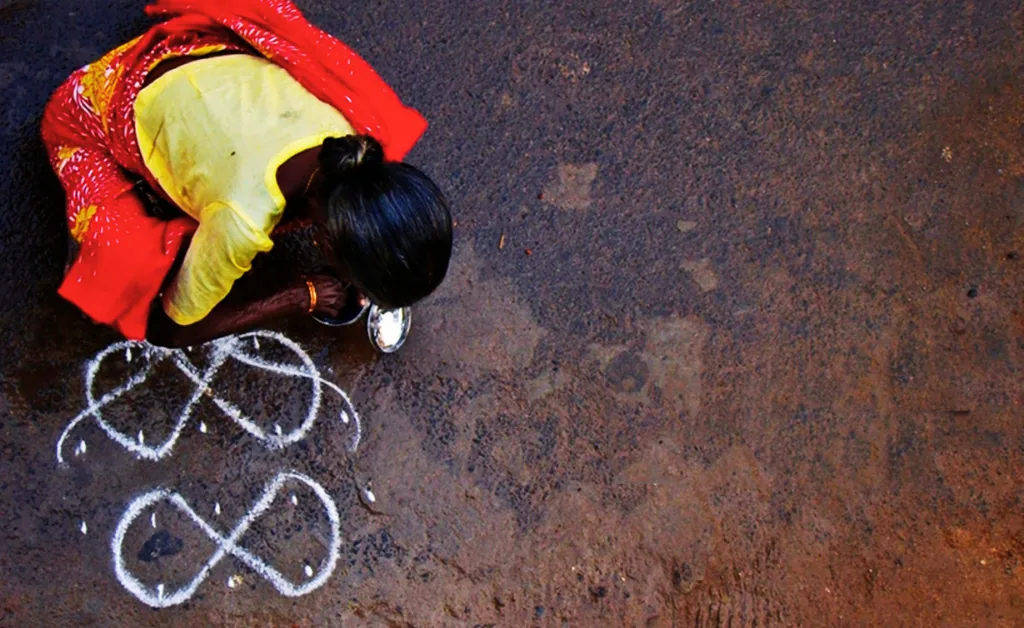
Temperatures sit between 20–30°C, humidity drops noticeably, and the city is in full cultural swing. This is the window where everything clicks — temples are walkable, beaches are enjoyable, and the Margazhi Music Season fills December and January with Carnatic concerts across the city.
The downside is price and crowd. Book flights and hotels at least 6–8 weeks ahead. Go early morning for the beach — our guide to Chennai’s beaches will help you pick the right one. And don’t underestimate the evenings — once the heat breaks around 6 pm, there’s genuinely a lot happening after dark across the city.
- Best for: First-time visitors, culture lovers, families, beach lovers
- Avoid if: You’re on a tight budget and can’t book far in advance
- Pro tip: December is peak of peak — if your dates are flexible, early November or late February offer similar weather with fewer crowds and lower prices
Summer (March–June) — Hot but Budget-Friendly
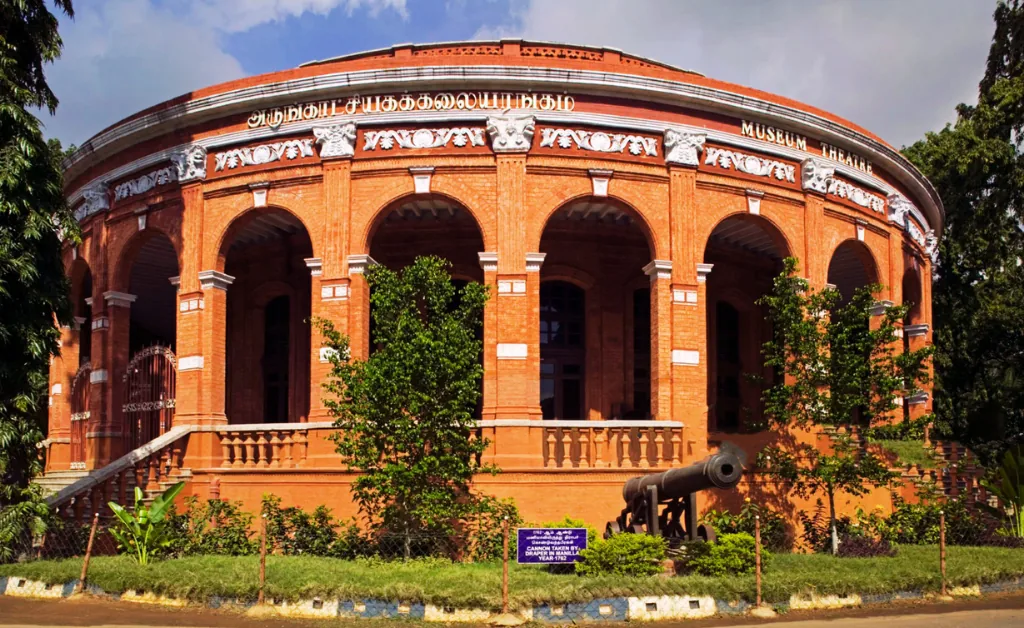
Temperatures hit 36–40°C by April and May, with humidity making it feel worse than the number suggests. It’s the toughest season physically — but also the cheapest. Hotel rates drop significantly, queues at major attractions disappear, and April’s Tamil New Year (Puthandu) gives the city a festive mood despite the low tourist numbers.
The strategy is simple: outdoor sightseeing before 10am and after 5pm, air-conditioned museums and long lunches in between. Families often find Chennai’s theme parks a practical midday escape — cool, covered, and genuinely enjoyable when the streets are too hot to walk.
- Best for: Budget travellers, those visiting family, heat-tolerant explorers
- Avoid if: You’re travelling with young children or have health conditions aggravated by heat
- Pro tip: April is the sweet spot — lower prices than March, less brutal than May
Monsoon (July–September) — Green, Quiet & Cheap
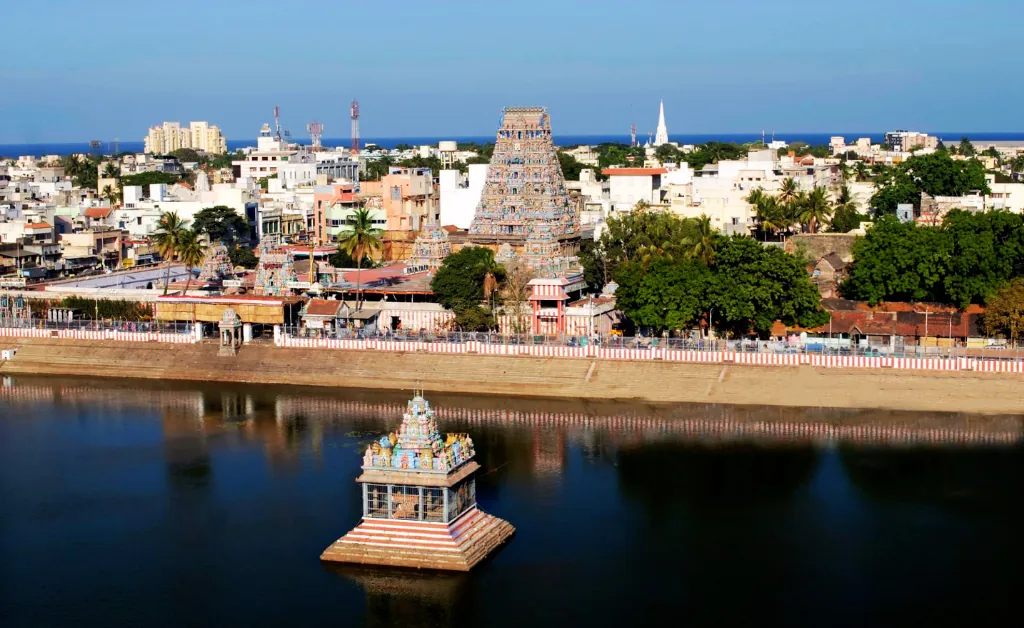
Chennai in the monsoon is quieter, cheaper, and surprisingly rewarding if you go in with flexible plans. Temperatures cool slightly from the summer peak, hotel rates hit their lowest, and the city takes on a lush, unhurried quality. The Government Museum, Dakshinachitra, and Fort St. George become genuinely peaceful to explore.
The catch: heavy downpours can cause waterlogging in low-lying areas, and a 20-minute commute can stretch to 90 minutes. Keep plans loose and always have an indoor backup. Mosquito repellent is non-negotiable.
- Best for: Budget travellers, slow travellers, business visitors adding leisure days
- Avoid if: You have a fixed itinerary with outdoor-heavy plans
- Pro tip: August is the quietest tourism month of the year — the city is almost entirely yours
Northeast Monsoon (October–November) — Transition Period
October is Chennai’s most unpredictable month. The northeast monsoon hits harder than the southwest — heavy rainfall, occasional cyclonic storms, and flash flooding in low-lying areas are all possible. Plans can collapse with little warning, and travel insurance is genuinely worth having.
Mid-to-late November is a different story. The rains taper, temperatures drop pleasantly, and the city starts warming up for festival season — Navaratri, Diwali, and the early stirrings of Margazhi all fall in this window.
- Best for: Travellers with flexible plans, those targeting Diwali or Navaratri
- Avoid if: You have a fixed outdoor-heavy itinerary, especially in early October
- Pro tip: Arrive in the last two weeks of November and you’ll catch the city at its most relaxed — before peak crowds and with all the good weather ahead of you.

Best Time to Visit Chennai for Festivals
This is where Chennai genuinely sets itself apart from other Indian cities. The festival calendar here is dense, culturally rich, and worth planning your entire trip around.
December–January: Margazhi Music Season
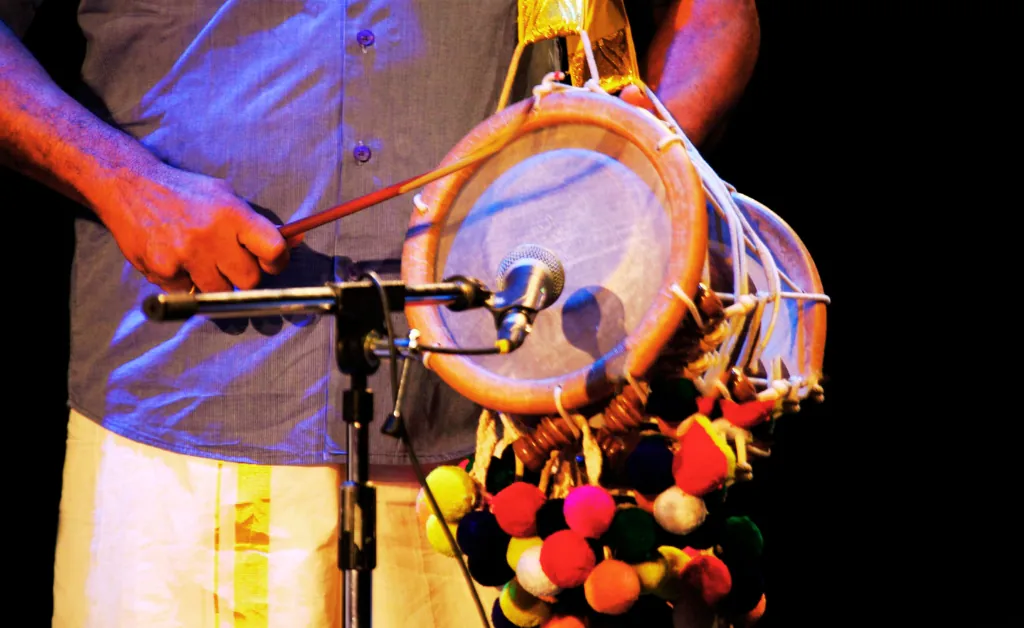
This is the crown jewel of Chennai’s cultural calendar. The Margazhi Music Season — also known as the Madras Music Season — is a six-to-nine-week festival spanning mid-November through January, featuring Carnatic music concerts and Bharatanatyam dance performances across hundreds of sabhas (cultural auditoriums) throughout the city. Over 500 sabhas host more than 2,000 performances during the peak weeks, making it one of the world’s largest cultural events. Chennai’s musical tradition was formally recognised by UNESCO in 2017 when the city joined the Creative Cities Network.
The experience goes beyond attending concerts. Each sabha runs its own canteen during the season, turning the event into a food and culture pilgrimage — you can spend a full day “sabha hopping” between Carnatic performances and traditional South Indian meals. Book concert tickets early for top-tier artists; many smaller concerts are free.

January: Pongal
Tamil Nadu’s most important harvest festival, typically falling in the third week of January, is a four-day celebration rooted in agricultural thanksgiving. The city takes on a warm, community-led atmosphere — sugarcane and kolam decorations appear everywhere, and the smell of freshly made sweet pongal rice drifts through residential neighbourhoods. It’s one of the most authentic festival experiences you can have in Chennai.
April: Tamil New Year (Puthandu)
Falling on April 14th each year, Puthandu marks the start of the Tamil calendar. It’s a quieter celebration compared to Pongal, but the city has a distinctly festive mood — temples are busy, families gather, and traditional food takes centre stage. For travellers visiting in the budget-friendly summer window, this is a genuine cultural bonus.
August: Madras Day
On August 22nd each year, Chennai marks the anniversary of its founding in 1639 with a week of heritage walks, lectures, photography exhibitions, and cultural events across the city. It’s an understated but genuinely interesting time to visit for history and architecture enthusiasts.
October: Navaratri and Diwali
Navaratri brings nine nights of classical dance performances dedicated to Goddess Durga, with elaborate golu displays set up in homes across the city — many of which are open to visiting neighbours and, occasionally, curious travellers. Diwali follows shortly after, turning the city into a celebration of lights, firecrackers, and mithai (sweets).
Best Time to Visit Chennai Based on Your Travel Style
First-time visitors: November to February — comfortable weather, everything open, peak cultural scene
Culture and classical arts lovers: December to January — don’t miss the Margazhi season under any circumstances
Budget backpackers: April, or July to September — lowest prices on flights, hotels, and restaurants
Beach lovers: January to March — cooler mornings, lower humidity, manageable crowds
Foodies: December to January — sabha canteens, Pongal sweets, peak street food culture around festival season
Families with kids: November to February — comfortable weather, festive atmosphere, and plenty of family-friendly attractions across the city
Slow travellers and introverts: August to September — the city is genuinely quiet, unhurried, and rewarding at a slower pace
Practical Tips for Each Season
Booking lead time
Peak season (November–February) sees significant spikes in both flight and hotel prices, particularly around December and January when the music festival and holiday travel combine. Aim to book accommodation at least 6–8 weeks in advance. For the Margazhi season specifically, concert tickets for renowned artists sell out quickly — check sabha websites in November.
What to pack by season
- Winter: Light cotton for daytime, a thin cardigan or shawl for evenings, comfortable walking shoes
- Summer: Loose light-coloured cotton, wide-brimmed hat, SPF 50+ sunscreen, a good refillable water bottle
- Monsoon: Quick-dry fabrics, waterproof sandals (not leather), a compact umbrella, mosquito repellent
Air quality note
December and January see a dip in air quality in Chennai — nothing close to north Indian levels, but travellers with respiratory sensitivities may want to keep a mask handy for extended outdoor time.
Hydration is non-negotiable year-round
Even in winter, Chennai’s humidity means you’ll sweat more than you expect. Drink more water than you think you need, and don’t underestimate the salt and coconut water vendors along the beach — they exist for good reason.
How Long Should You Spend in Chennai?
2 days: Cover the essentials — Marina Beach, Kapaleeswarar Temple in Mylapore, a proper South Indian breakfast, and an evening on the waterfront. It’s enough to get a feel for the city without rushing.
3–4 days: Add a day trip to Mahabalipuram (a UNESCO World Heritage Site, 60km south along the East Coast Road), explore the Government Museum, and spend an evening in Pondy Bazaar or T. Nagar for shopping and street food.
5–7 days: A full Chennai experience — time for a Mahabalipuram day trip, a morning at Dakshinachitra, slower neighbourhood walks through Mylapore and Triplicane, and if you’re visiting during December–January, several evenings of Margazhi concerts.
FAQs — Best Time to Visit Chennai
Q: Is Chennai worth visiting in summer?
A: Yes, if you’re on a tight budget and can handle the heat. Schedule outdoor activities for early morning and late afternoon, use the middle of the day for museums, malls, and long lunches, and you’ll have a genuinely rewarding trip at a fraction of the peak season cost.
Q: Does Chennai flood during monsoon?
A: Low-lying areas can experience waterlogging during heavy downpours, particularly during the northeast monsoon in October. Keep travel plans flexible and check local weather updates before heading out. The city generally recovers quickly after rain.
Q: What month is cheapest to visit Chennai?
A: April consistently sees the lowest hotel and flight prices, as it falls between the cool peak season and the monsoon. July and August are the cheapest months overall if you’re flexible.
Q: Is December a good time to visit Chennai?
A: It’s one of the best times. The weather is at its most pleasant, and the Margazhi Music Season transforms the city into the classical arts capital of South India. Book early — accommodation and concert tickets fill up fast.
Q: Can I visit Marina Beach during monsoon?
A: Yes, and the beach has its own moody beauty in the rain. Avoid it during active heavy downpours for safety reasons, but overcast mornings in the monsoon can actually be a great time to walk the shoreline without the usual heat and crowds.
Q: Is Chennai safe to visit during cyclone season?
A: October and November carry the highest cyclone risk due to the northeast monsoon. Monitor weather forecasts closely if visiting during this window, and ensure your travel insurance covers weather-related disruptions.
Final Verdict
Chennai rewards visitors who plan around its rhythms rather than fight them. Come between November and February if you want the full picture — pleasant weather, beaches you’ll actually enjoy, and a cultural calendar that genuinely has no equal in South India. Come in April or the monsoon months if budget is the priority, and you’re comfortable with heat or rain in exchange for a quieter, cheaper, more local experience.
Whenever you visit, give the city more than two days. Chennai is the kind of place that reveals itself slowly — in the filter coffee rituals, the temple corridors at dawn, the sabha canteens in December, and the wide, breezy evenings on the waterfront.
Looking to plan your time in the city? Explore our guides on things to do in Chennai at night, the best beaches along the coast, and the full lineup of Chennai theme parks for family visits.