
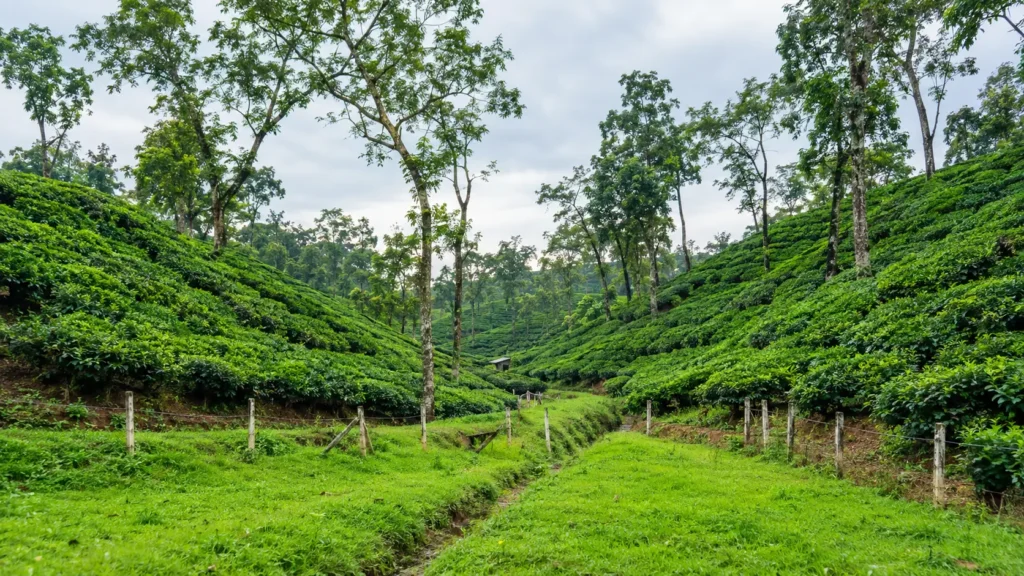
Planning a Sylhet tour and wondering which places you can cover in just two days? Sylhet is one of the best destinations in Bangladesh for travelers who enjoy green landscapes, rivers, hills, tea gardens, forests, and cultural heritage.
A well-planned 2-day Sylhet itinerary can take you to some of the region’s most popular attractions, including Ratargul Swamp Forest, Sada Pathor, Bichanakandi, Jaflong, tea gardens, Khasia Polli, Lalakhal, and Hazrat Shah Jalal’s Mazar.
The key is to start early, group nearby destinations together, and keep some flexibility for weather, traffic, boat availability, and seasonal water levels. Sylhet’s major attractions are generally within roughly a two-hour travel radius of the city, but road and boat conditions can affect the actual schedule.
This Sylhet tour plan is designed for travelers who want to experience the highlights of Sylhet in two full sightseeing days without spending the entire trip inside a vehicle.
Table of Contents
Sylhet Tour at a Glance
| Travel Detail | Information |
| Destination | Sylhet, Bangladesh |
| Recommended duration | 2 days |
| Best for | Nature, rivers, hills, tea gardens, culture |
| Day 1 | Ratargul → Sada Pathor → Bichanakandi |
| Day 2 | Jaflong → Tea Garden → Khasia Polli → Lalakhal → Mazar |
| Suggested base | Sylhet city |
| Main transport | Reserved car, microbus or CNG |
| Ideal approach | Start early each morning |
| Best overall sightseeing season | October–March |
| Best season for flooded Ratargul | June–September |
The best season depends on what you want to experience. November through March generally offers more comfortable sightseeing weather, while the monsoon can provide the fullest waterways and a more dramatic Ratargul experience.
Why Visit Sylhet?
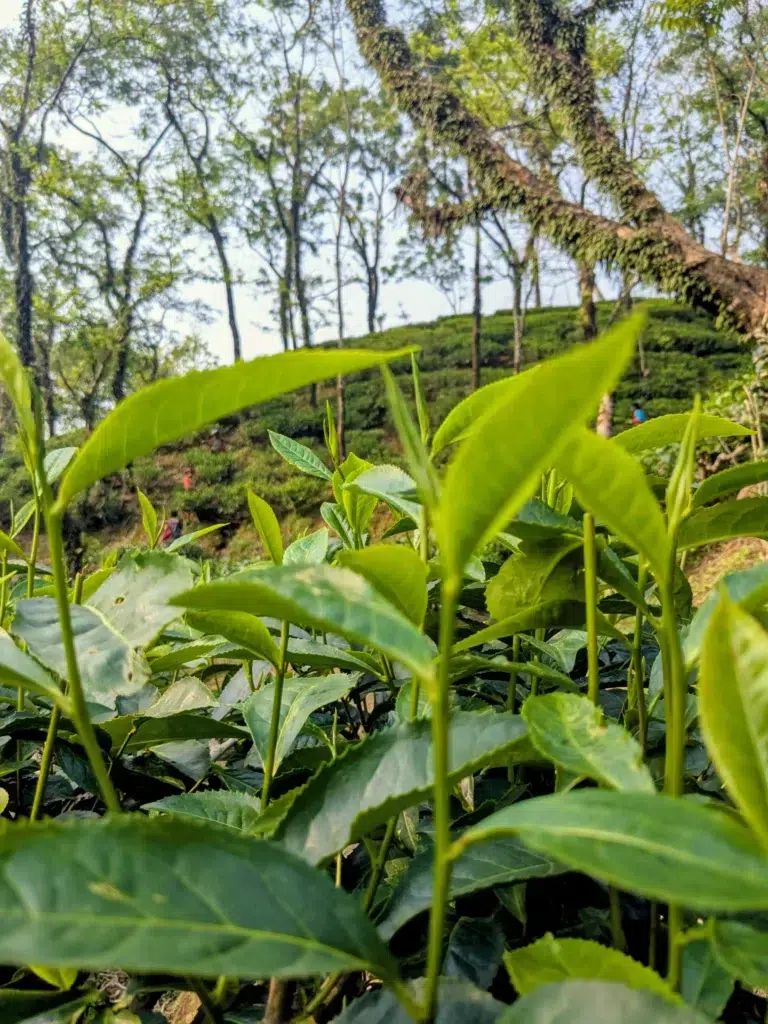
Sylhet is different from many other destinations in Bangladesh because several types of scenery come together in one region.
You can spend the morning traveling through a freshwater swamp forest, see white stones and mountain streams in the afternoon, and finish another day surrounded by tea gardens and blue-green rivers.
The region is particularly known for:
- Tea gardens
- Freshwater wetlands
- Rivers and waterfalls
- Hills near the Bangladesh-India border
- Stone-covered riverbeds
- Rural and indigenous communities
- Historic shrines
- Traditional Sylheti food
- Beautiful photography locations
Jaflong, Ratargul, Bichanakandi, Sada Pathor and Lalakhal are among the destinations commonly included in Sylhet travel itineraries.
2-Day Sylhet Tour Plan
Your two-day itinerary focuses on natural attractions on the first day and combines Jaflong, tea gardens, Khasia Polli, Lalakhal and Sylhet’s spiritual heritage on the second day.
Because Day 1 includes three destinations and Day 2 includes several stops, an early start is essential.
If you arrive in Sylhet from Dhaka, it is better to reach Sylhet the evening before your first sightseeing day rather than trying to arrive in the morning and immediately start the entire itinerary.
Day 1: Ratargul, Sada Pathor & Bichanakandi
Main theme: Swamp forest, rivers, stones and mountain scenery
Suggested route
Sylhet City → Ratargul Swamp Forest → Sada Pathor → Bichanakandi → Sylhet City
Start as early as possible, ideally around sunrise or shortly afterward.
This is the busiest day of the itinerary, so avoid spending too much time at one location. Your exact timing should remain flexible because boat trips, road conditions, crowds and water levels can change.
1. Ratargul Swamp Forest
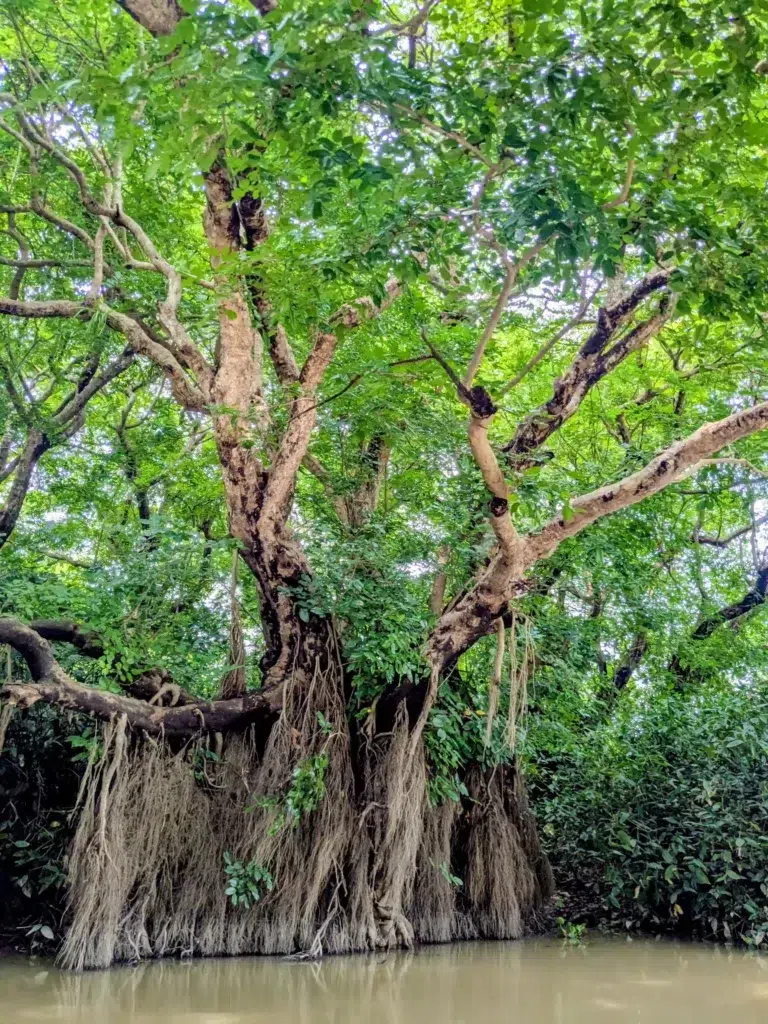
Start your Sylhet tour at Ratargul Swamp Forest, one of the most distinctive natural attractions in the region.
Ratargul is a freshwater swamp forest in Gowainghat. During the wetter months, water covers parts of the forest and visitors can explore its narrow waterways by small boat. The scenery changes significantly according to the season. During monsoon, the flooded forest creates the classic boat-through-the-trees experience, while lower water levels can make the experience quite different.
What to do at Ratargul
- Take a small boat through the forest
- Photograph the trees and waterways
- Enjoy the quiet natural surroundings
- Observe the changing landscape
- Spend some peaceful time away from the city
For the best experience, try to visit early in the day when temperatures are lower and crowds may be smaller.
How long should you spend at Ratargul?
Allow approximately 2–3 hours, including transportation from the parking/boat area and the boat ride.
Boat access depends on local conditions and water levels, so confirm the situation before starting your trip.
2. Sada Pathor
After Ratargul, continue toward Bholaganj Sada Pathor.
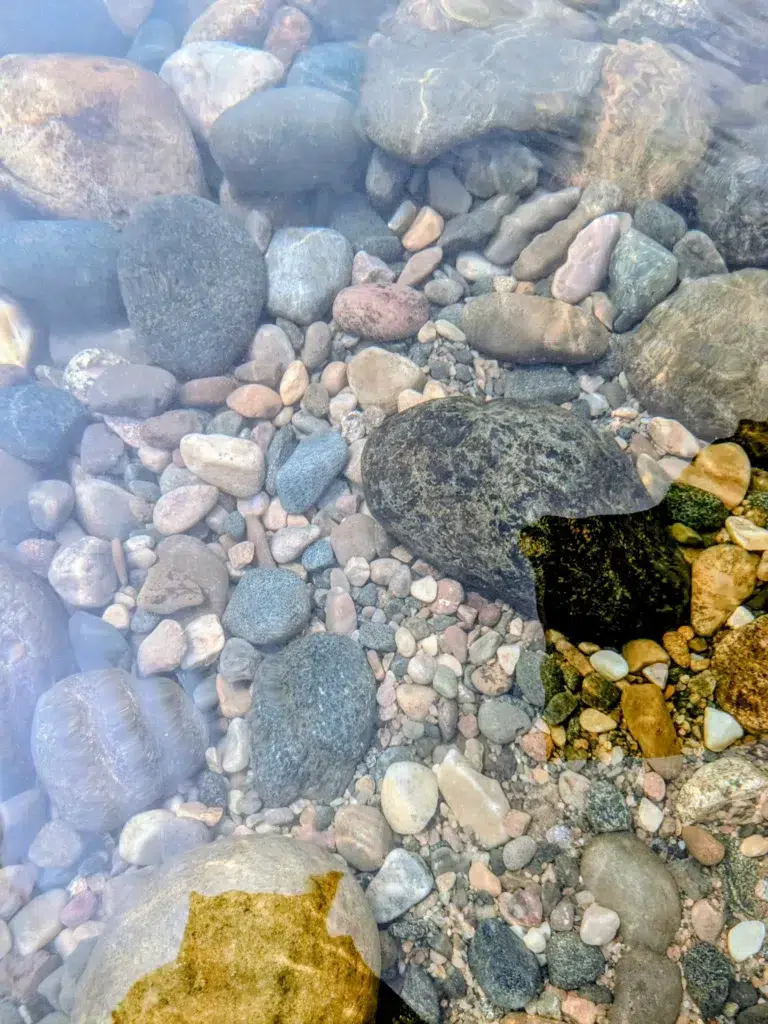
Sada Pathor, meaning “white stone,” is known for its striking river landscape, white stones, and views toward the Khasi hills. The Dhalai River and surrounding hills create a very different landscape from Ratargul’s forest.
The attraction is roughly 33–35 km from Sylhet city according to current local travel information, although actual travel time varies with road conditions and traffic.
What makes Sada Pathor special?
The combination of:
- White river stones
- Clear or flowing water
- Green hills
- Open river scenery
- Boat rides
- Photography opportunities
makes Sada Pathor one of the most recognizable nature destinations around Sylhet.
Travel tip
Be careful when walking over wet stones. They can become slippery, particularly during rainy weather.
Follow local instructions around river and stone areas and avoid entering restricted or working areas.
3. Bichanakandi
Your final major destination on Day 1 is Bichanakandi, another spectacular landscape where streams, stones and hills meet near the Bangladesh-India border.
Bichanakandi is particularly attractive during the rainy season, when water flows down from the surrounding hills and over the stone-covered landscape.
What to do at Bichanakandi
- Enjoy the mountain and river scenery
- Walk around the stone-covered areas where permitted
- Take photographs
- Enjoy the flowing streams
- Experience the rural landscape
The journey commonly involves traveling toward Hadarpar and then using local boat transport depending on the route and conditions.
Important safety tip
Bichanakandi contains stones, flowing water and areas close to the border. Avoid slippery rocks and strong currents, and follow local instructions.
Do not enter restricted areas simply to take photographs.
Evening: Return to Sylhet City
After Bichanakandi, return to your hotel in Sylhet City.
Day 1 will be physically demanding, so keep your evening relaxed.
You can have dinner, explore a nearby market, or simply rest before the second day.
If you have enough energy, you can try a traditional Sylheti meal such as beef with shatkora, a regional specialty.
Day 1 Route Summary
| Time | Activity |
| Early morning | Leave Sylhet city |
| Morning | Ratargul Swamp Forest |
| Late morning | Travel toward Sada Pathor |
| Afternoon | Sada Pathor |
| Late afternoon | Bichanakandi |
| Evening | Return to Sylhet city |
| Night | Dinner and rest |
Important: This is an ambitious route. If weather, traffic, boat availability or crowd levels cause delays, prioritize the destinations you most want to experience rather than trying to rush through all three.
Day 2: Jaflong, Tea Garden, Khasia Polli, Lalakhal & Mazar
Main theme: Hills, river, tea, local culture and spiritual heritage
Suggested route
Sylhet City → Jaflong → Khasia Polli → Tea Garden → Lalakhal → Hazrat Shah Jalal Mazar
Day 2 combines several different sides of Sylhet.
Jaflong provides the mountain-and-river scenery, the Khasia Polli gives you an opportunity to see a distinctive local community and landscape, the tea garden introduces Sylhet’s famous tea culture, Lalakhal provides a relaxing river experience, and the Mazar brings the trip back to Sylhet’s cultural and spiritual heritage.
1. Jaflong
Begin Day 2 with Jaflong, one of the most famous tourist destinations in Sylhet.
Jaflong is located near the Meghalaya hills and is known for the Piyain River, stones, green hills and border landscape. It is roughly 55–60 km from Sylhet city, depending on the route and measurement used.
The scenery here is very different from Ratargul.
Instead of a forest surrounded by water, Jaflong gives you an open landscape of:
- Hills
- River
- Stones
- Green countryside
- Border scenery
- Local communities
What to do in Jaflong
Spend some time walking around the permitted tourist areas, taking photographs and enjoying the river and mountain views.
Boat rides may be available depending on the season and local conditions.
Travel tip
Jaflong can become crowded on weekends and holidays. An early morning arrival gives you more time to enjoy the scenery before the busiest period.
Jaflong is also located in a border area, so travelers should carry appropriate identification and follow instructions at local checkpoints.
2. Visit a Khasia Polli
After exploring Jaflong, you can continue to a Khasia Polli or Khasia community area where access is permitted.
The Khasia communities of the Sylhet region are particularly associated with betel-leaf cultivation and distinctive village landscapes. Some travel guides describe visits to Khasia village areas around Jaflong as part of the regional cultural experience.
This part of your itinerary should be approached respectfully.
When visiting a Khasia Polli:
- Ask permission before entering private areas.
- Ask before photographing people.
- Do not disturb homes or farms.
- Respect local customs.
- Avoid treating the community simply as a photo backdrop.
- Follow any local guide or community instructions.
A short, respectful visit can add a cultural dimension to your Sylhet tour that you won’t get from sightseeing alone.
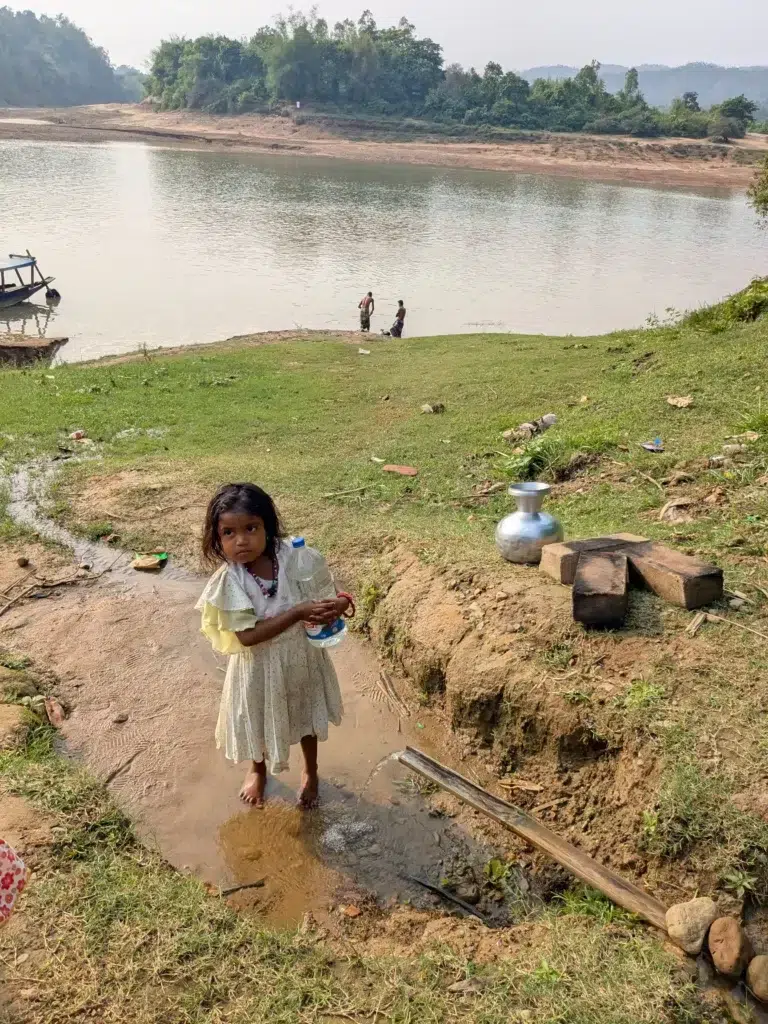
3. Visit a Sylhet Tea Garden
No Sylhet tour itinerary feels complete without experiencing the region’s tea landscape.
Sylhet is closely associated with Bangladesh’s tea industry, and tea estates are among the most recognizable landscapes in the region.
You can stop at a suitable tea garden or viewpoint along your route and spend some time enjoying the green landscape.
What to do
- Walk around areas where visitors are permitted
- Photograph the tea-covered hills
- Learn about local tea cultivation
- Enjoy the scenery
- Try locally produced tea where available
Important tea garden tip
Many tea estates are working private properties rather than formal tourist attractions. There may not be a standard entrance ticket or guaranteed tourist access. Ask permission from the estate gate or staff before entering private areas.
This is especially important if you plan to visit a specific tea estate rather than simply view the landscape from a public road.
4. Lalakhal
After Jaflong and the tea garden, continue toward Lalakhal.
Lalakhal is famous for the blue-green appearance of the Sari River and the surrounding hills, tea gardens and forests.
A boat ride is one of the main experiences here.
The river landscape makes Lalakhal a particularly relaxing stop after a busy morning.
Things to do at Lalakhal
- Take a boat ride
- Photograph the river
- Enjoy the surrounding hills
- Watch the changing color and clarity of the water
- Relax by the riverside
Lalakhal is often paired with Jaflong in Sylhet itineraries because both destinations are in the northeastern part of the region and can be incorporated into a longer day trip.
Don’t rush Lalakhal
If your schedule allows, give yourself enough time to enjoy the boat ride rather than treating Lalakhal as a quick photo stop.
The experience is about the journey on the river as much as the destination itself.
5. Visit Hazrat Shah Jalal Mazar
End your two-day Sylhet tour with a visit to Hazrat Shah Jalal Mazar, located in Sylhet city.
The shrine is an important spiritual and cultural landmark in the city and attracts pilgrims and visitors throughout the year. It is commonly included in Sylhet travel itineraries alongside the region’s natural attractions.
This makes the Mazar a fitting final stop because it allows you to experience a different side of Sylhet after two days focused heavily on nature.
Visitor etiquette
When visiting a religious site:
- Dress respectfully.
- Maintain a quiet and respectful manner.
- Follow the site’s rules.
- Ask before taking photographs where appropriate.
- Respect people who are there for religious purposes.
After visiting the Mazar, you can have dinner in Sylhet city and prepare for your journey home.
Day 2 Route Summary
| Time | Activity |
| Early morning | Leave Sylhet city |
| Morning | Jaflong |
| Late morning | Khasia Polli |
| Afternoon | Tea garden |
| Afternoon/evening | Lalakhal boat ride |
| Evening | Hazrat Shah Jalal Mazar |
| Night | Dinner/departure or hotel |
The exact order can be adjusted according to road conditions, boat schedules and the amount of time you spend at Jaflong.
How Many Days Are Enough for a Sylhet Tour?
Two full days are enough for a highlights-focused Sylhet tour, especially if you start early and stay in Sylhet city.
However, three days would be more comfortable.
A two-day trip requires a fairly busy schedule because there are many attractions spread around the region.
If you have three days, you can slow down the itinerary, spend more time at each attraction, or add another destination.
For travelers who prefer relaxed sightseeing, photography or family travel, three days can be more comfortable than trying to fit every attraction into two days.
Best Time to Visit Sylhet
The best time to visit Sylhet depends on the type of experience you want.
October to March: Comfortable sightseeing
The cooler months are generally more comfortable for traveling around Sylhet, particularly if your itinerary involves several outdoor attractions.
This period is suitable for:
- Jaflong
- Tea gardens
- Lalakhal
- Sada Pathor
- Bichanakandi
- City sightseeing
Current travel guides commonly identify November through March as the more comfortable period for general sightseeing.
June to September: Monsoon scenery
The monsoon season can transform Sylhet.
Water levels rise, rivers become fuller, the landscape becomes extremely green, and Ratargul becomes particularly attractive for its boat experience.
For travelers specifically interested in the flooded-swamp-forest experience, monsoon is an important season to consider.
However, heavy rain can also affect:
- Roads
- Boat services
- River currents
- Walking conditions
- Travel time
Always check local conditions before starting a day trip.
Sylhet Tour Budget
Your total Sylhet tour cost depends heavily on your starting point, group size, accommodation, transport, and food choices.
For a two-day sightseeing trip, the main expenses are:
- Transportation to Sylhet
- Hotel
- Local transportation
- Boat rides
- Food
- Entry or local access fees
- Shopping and personal expenses
A simple budget structure
| Expense | Budget consideration |
| Dhaka–Sylhet transportation | Depends on train, bus, or flight |
| Hotel | Depends on room type and location |
| Local transport | CNG, reserved car, microbus |
| Boats | Depends on destination, group size and season |
| Food | Budget to premium options available |
| Personal expenses | Shopping, snacks and other activities |
Because transport fares, hotel prices and boat charges can change, it is better to confirm current prices before your trip rather than relying on a fixed online figure.
For example, current 2026 travel sources note that fares and timings can change without notice and recommend confirming them with the operator or local counter before traveling.
How to Travel from Dhaka to Sylhet
There are three common ways to travel from Dhaka to Sylhet.
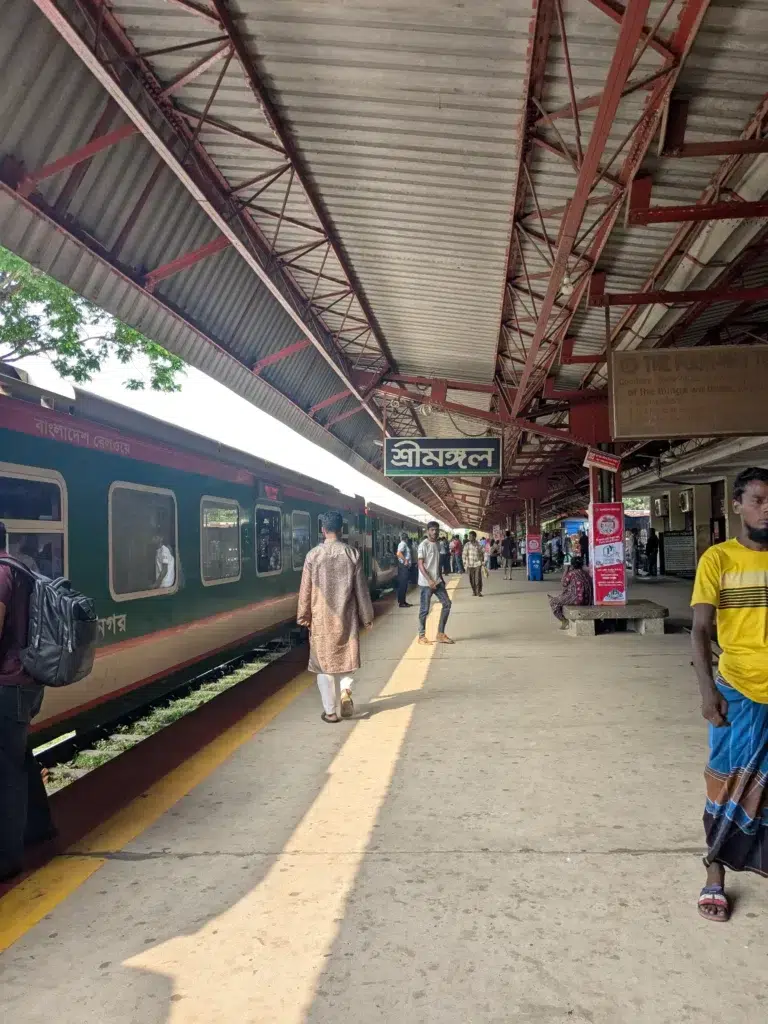
By Train
Train travel is a popular option for travelers who prefer a relatively comfortable journey and want to avoid road traffic.
Current travel information puts the direct train journey at approximately 6–6.5 hours, although actual travel time can vary.
By Bus
Several bus services operate between Dhaka and Sylhet.
The road journey generally takes around 6–7.5 hours, depending on traffic and service.
By Air
Flying is the fastest option for travelers who want to minimize travel time.
The flight from Dhaka to Sylhet is approximately 45 minutes, excluding airport check-in and other travel time.
Which transport should you choose?
For a two-day itinerary, arriving in Sylhet the evening before Day 1 is ideal.
That way, your first full day can start early at Ratargul instead of losing several hours traveling from Dhaka.
How to Travel Around Sylhet
For this particular itinerary, reserved transportation can make the trip much easier.
You can consider:
- Reserved CNG
- Private car
- Microbus
- Local transport combined with boats
A reserved vehicle is especially useful when visiting several destinations in one day because you don’t have to repeatedly search for transport between attractions.
Current Sylhet travel guides also note that reserved cars or CNGs are commonly used for day trips because public transport connections between individual attractions can be limited.
Before hiring a vehicle
Confirm:
- Total fare
- Route
- Waiting time
- Fuel/toll arrangements
- Whether the driver will stay with you throughout the day
- Additional charges, if any
Where to Stay in Sylhet
For this two-day itinerary, staying in Sylhet city is practical because both days begin and end around the city.
Choose accommodation based on:
- Location
- Budget
- Parking
- Breakfast availability
- Room quality
- Family requirements
- Distance from your planned departure point
Staying in the city also makes it easier to find restaurants, transportation and other services.
What to Eat During a Sylhet Tour
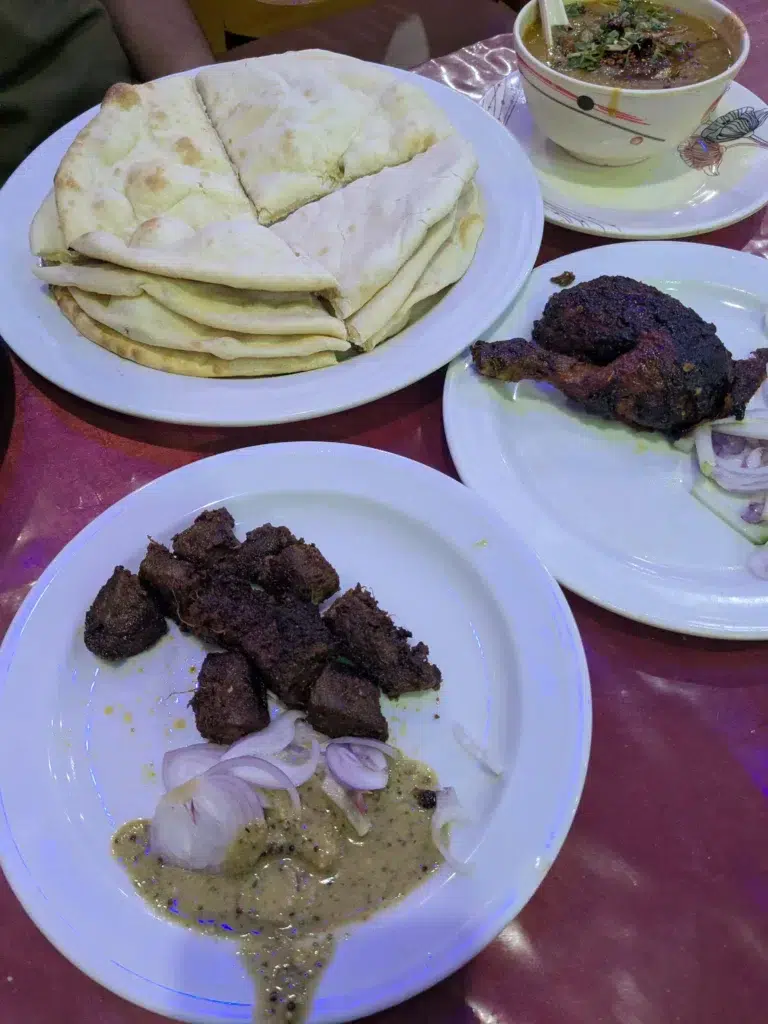
A Sylhet trip is not complete without trying some local food. Sylheti cuisine is known for its distinctive flavors, and one of the dishes you should look for is beef with shatkora, where the unique citrusy flavor of shatkora gives the curry its characteristic taste.
If you want to experience some of Sylhet’s popular local dining spots, Panshi Restaurant and Pach Bhai Restaurant are two well-known choices in the city. Both are popular with visitors looking to try traditional Bangladeshi and Sylheti-style dishes in a casual local setting. They are particularly worth considering after a full day of sightseeing when you want to sit down for a hearty meal and sample several local dishes.
You can also explore:
- Sylheti-style fish dishes
- Beef with shatkora
- Local rice and curries
- Traditional snacks
- Fresh tea
- Seven-layer tea, where available
Food can be an important part of your Sylhet itinerary, particularly after spending the day exploring places such as Ratargul, Sada Pathor, Bichanakandi or Jaflong. For the best experience, consider asking the restaurant staff about their popular Sylheti specialties rather than ordering only familiar dishes.
What to Pack for a Sylhet Trip
Pack according to the season, but the following items are useful for most trips:
- Comfortable walking shoes or sandals
- Extra clothes
- Umbrella
- Rain jacket
- Sunscreen
- Sunglasses
- Power bank
- Waterproof phone pouch
- Small backpack
- Drinking water
- Personal medication
- Identification documents
- Camera or smartphone
For rainy-season trips, waterproof bags are particularly useful because boat rides and wet conditions are common around several attractions. Current travel guidance also recommends rain gear and water-resistant footwear for Sylhet’s river and forest destinations.
Important Sylhet Tour Safety Tips
A few simple precautions can make the trip much more enjoyable.
- Be careful around rivers: Don’t enter deep or fast-moving water unless local authorities or experienced boat operators confirm it is safe.
- Watch your footing: Wet stones around Sada Pathor and Bichanakandi can be slippery.
- Follow border-area instructions: Jaflong and Bichanakandi are near the Bangladesh-India border. Stay within permitted areas and follow local instructions.
- Check weather conditions: Heavy rainfall can affect roads, boat services, and river conditions.
- Confirm boat prices before departure: Agree on the boat arrangement and price before starting the ride.
- Respect local communities: When visiting Khasia Polli or other communities, ask permission before entering private areas or taking photographs.
- Keep Sylhet clean: Don’t leave plastic bottles, food packaging or other waste at rivers, forests or tea gardens.
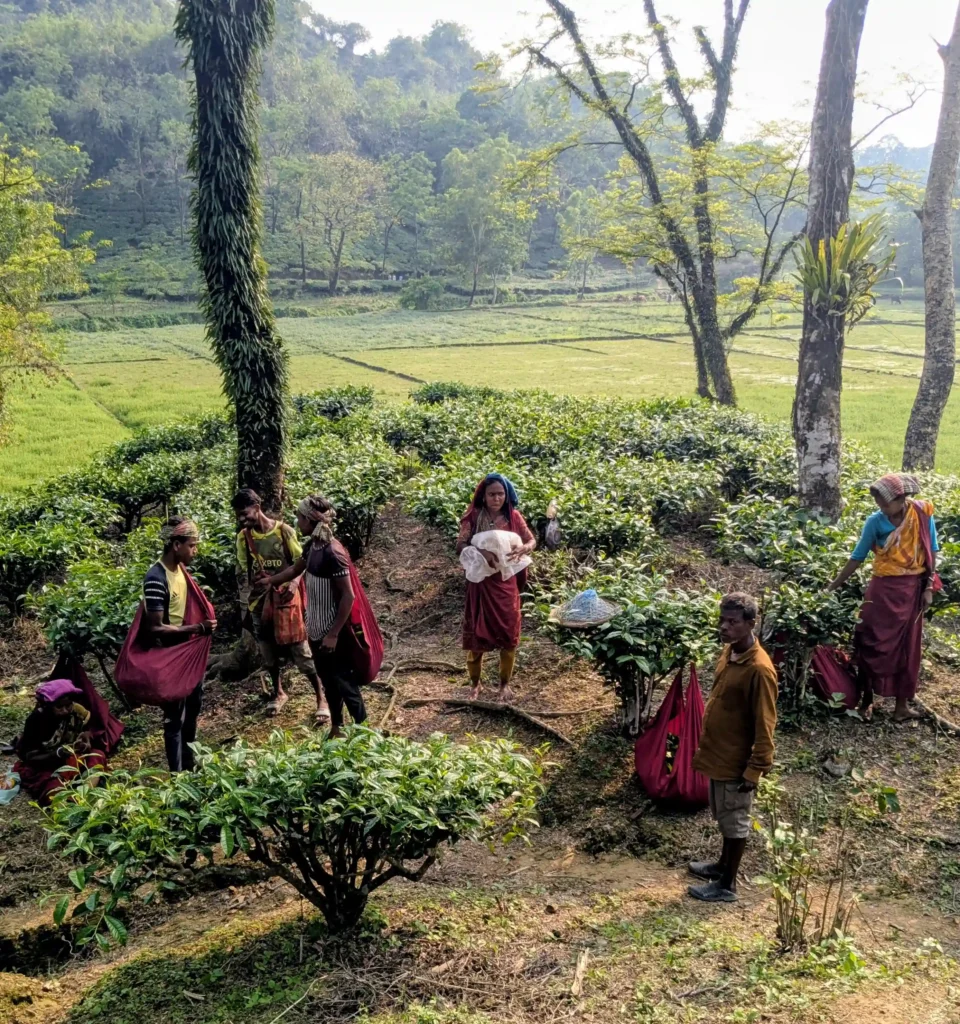
Is This 2-Day Sylhet Tour Plan Too Busy?
It can be busy, but it is possible as a highlights-focused itinerary if you start early.
The most demanding part is Day 1 because it combines:
Ratargul + Sada Pathor + Bichanakandi
The second day is also full, with:
Jaflong + Khasia Polli + Tea Garden + Lalakhal + Mazar
If you prefer a relaxed trip, don’t try to spend equal amounts of time at every destination.
Instead, identify your top two or three experiences and allow the schedule to flex around them.
For example, if Ratargul’s boat ride is your priority, spend more time there and shorten another stop if necessary.
Likewise, if you enjoy photography, allow extra time at Jaflong or Lalakhal rather than rushing to check every attraction off the list.
Frequently Asked Questions About Sylhet Tour
What is Sylhet famous for?
Sylhet is famous for its tea gardens, rivers, hills, freshwater swamp forests, stone-covered river landscapes, and important spiritual landmarks. Jaflong, Ratargul, Bichanakandi, Sada Pathor and Lalakhal are among its best-known attractions.
How many days are enough for a Sylhet tour?
Two full days are enough for a highlights-focused trip covering several major attractions. Three days are better for travelers who want a slower pace or additional destinations.
What are the best places to visit in Sylhet?
Some of the most popular places include Ratargul Swamp Forest, Jaflong, Bichanakandi, Sada Pathor, Lalakhal, tea gardens and Hazrat Shah Jalal Mazar.
What is the best time to visit Sylhet?
November through March is generally comfortable for sightseeing, while June through September can be particularly attractive for travelers who want monsoon scenery and a flooded Ratargul boat experience.
Is two days enough for Jaflong, Ratargul and Bichanakandi?
Yes, but you need an organized itinerary and early starts. Trying to visit too many distant attractions without planning can make the trip tiring.
Can I visit Jaflong and Lalakhal on the same day?
Yes. Jaflong and Lalakhal are commonly combined in Sylhet day-trip itineraries. However, travel time, traffic and boat availability should be considered when planning the route.
What is the best way to travel around Sylhet?
For an itinerary covering multiple attractions, a reserved CNG, private car or microbus can be convenient. Boats are used for certain destinations such as Ratargul, Bichanakandi and Lalakhal depending on the route and current conditions.
Is Ratargul worth visiting during the dry season?
Ratargul looks different during the dry season because water levels can be much lower. The classic flooded-forest boat experience is more associated with the monsoon, when water levels allow boats to travel farther into the forest.
What should I take to Ratargul and Bichanakandi?
Take comfortable footwear, drinking water, sun protection, a waterproof bag or phone pouch and extra clothes if you expect to get wet.
Can I visit a tea garden in Sylhet?
Yes, but access varies because many tea estates are working private properties. Ask for permission before entering an estate rather than assuming it operates as a public tourist attraction.
Is Sylhet suitable for a family tour?
Yes. Sylhet offers a mixture of nature, sightseeing, boat trips, tea gardens and cultural attractions. Families should be particularly careful around rivers, slippery stones and boat areas.
Final Thoughts: Planning Your Sylhet Tour
A two-day Sylhet tour can give you a surprisingly diverse experience.
On the first day, you can explore the freshwater landscape of Ratargul, the white stones and river scenery of Sada Pathor, and the hills and streams of Bichanakandi.
On the second day, you can experience the famous Jaflong, visit a Khasia Polli, see the green landscape of a tea garden, enjoy a relaxing boat ride at Lalakhal, and finish your trip with a visit to Hazrat Shah Jalal Mazar.
The biggest secret to making this itinerary work is simple: start early, stay flexible and don’t rush every destination.
Weather, water levels, traffic, boat availability and local access can change your schedule. Instead of treating the itinerary as a strict timetable, use it as a framework for organizing your trip.
If you have only two days, this route provides a strong introduction to the natural beauty, local culture and spiritual heritage that make Sylhet one of Bangladesh’s most memorable travel destinations.