
The US tourist visa (B1/B2) is one of the most requested visas in the world, but it is also one of the most frequently refused. Every year millions of applicants apply for a US visitor visa, yet a significant percentage face rejection.
Most refusals happen because applicants cannot clearly prove their travel purpose, financial stability, or ties to their home country. Understanding the common US tourist visa rejection reasons can help you prepare a stronger application and improve your chances of approval. Below are the most common causes of US visa refusal and practical tips to avoid them.
Table of Contents
Common US Tourist Visa Rejection Reasons
Here are the major reasons why B1/B2 visa applications are denied:
- Weak ties to the home country (Section 214(b))
- Errors in the DS-160 application form
- Insufficient financial proof
- Poor performance in the visa interview
- Previous visa overstays or immigration violations
- Unclear travel purpose
- Suspected immigration intent
- Criminal or security issues
- Fake documents or misrepresentation
Let’s explore these in more detail.
1. Weak Ties to Your Home Country (Section 214(b))
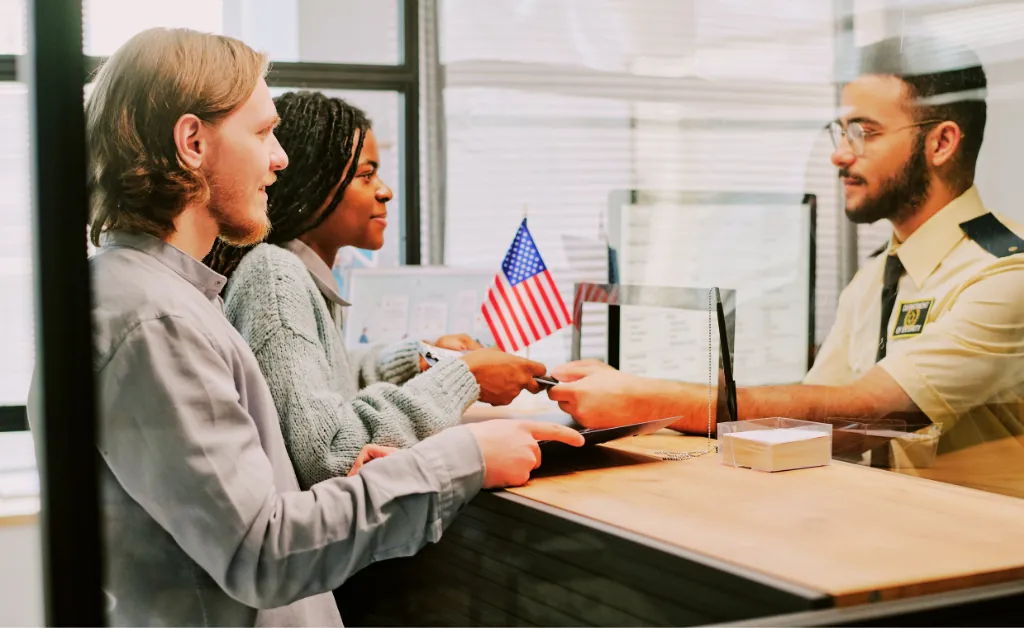
The most common reason for US tourist visa rejection is failure to prove strong ties to your home country. Under Section 214(b) of US immigration law, every applicant is assumed to have immigration intent unless they can prove otherwise.
Visa officers want to see clear reasons why you will return home after visiting the United States.
Common red flags
- No stable job or temporary employment
- Limited financial assets
- Being young and unemployed
- No travel history
- No family or property ties
How to avoid this
Provide strong proof such as:
- Employment letter and salary slips
- Property ownership documents
- Business registration (for self-employed applicants)
- Family documents such as marriage or children’s certificates
These documents help show that you have strong social and financial ties outside the US.
2. Errors in the DS-160 Form
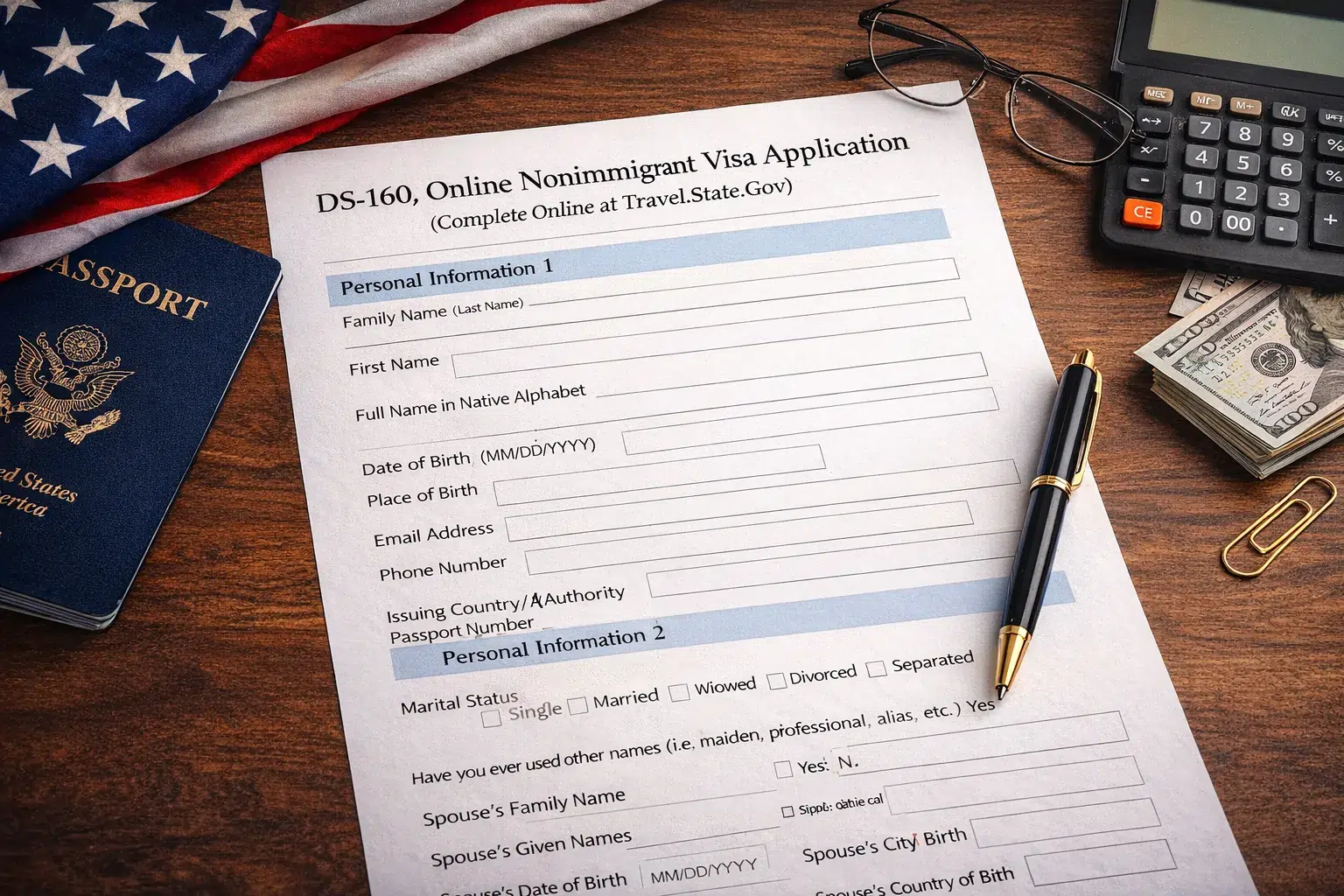
The DS-160 form is the foundation of your US visa application. Any mistake or inconsistency in this form can lead to a visa refusal.
Common DS-160 mistakes
- Incorrect personal information
- Mismatch between DS-160 answers and interview responses
- Missing travel details
- Selecting the wrong visa category
- Typographical errors in passport or dates
How to avoid this
- Review your DS-160 carefully before submission
- Ensure your information matches supporting documents
- Save a copy of the form for interview preparation
Consistency between your DS-160, documents, and interview answers is very important.
3. Insufficient Financial Proof
Visa officers must confirm that you can pay for your trip without working illegally in the US. If your financial documents appear weak or unrealistic, your US tourist visa may be rejected.
Common financial red flags
- Low bank balance
- Sudden large deposits
- Missing financial documents
- Travel plans that do not match your income
How to strengthen your financial profile
You should provide:
- Bank statements for the last 3–6 months
- Salary slips or business income proof
- Income tax returns
- Investment records or savings
If someone else is funding your trip, include sponsor documents and an invitation letter.
4. Poor Visa Interview Performance
The US visa interview often lasts only a few minutes, but it plays a major role in the final decision. Even if your documents are strong, unclear answers may lead to B1/B2 visa rejection.
Interview mistakes
- Memorized or robotic answers
- Contradicting your DS-160 information
- Not knowing your travel itinerary
- Confusion about who is funding your trip
How to prepare
- Understand every detail of your application
- Practice answering common visa interview questions
- Be honest and confident
- Clearly explain your travel purpose
A calm and natural conversation often creates a better impression.
5. Previous Visa Violations or Overstays
If you previously violated US immigration rules, your new visa application may face difficulty.
Examples of violations
- Overstaying a previous visa
- Working illegally in the US
- Misusing a tourist visa
- Being deported or denied entry
What you should do
Always disclose your travel and immigration history honestly. Visa officers can access previous records, and hiding information can lead to further complications.
6. Unclear Travel Purpose
Another common US visa rejection reason is an unclear explanation of your travel plans.
If your purpose of travel seems vague or inconsistent, officers may question the authenticity of your trip.
Examples
- Applying for tourism but mentioning business activities
- Not knowing which cities you will visit
- No travel itinerary or accommodation details
How to avoid this
Prepare a clear travel plan, including:
- Cities you plan to visit
- Estimated travel dates
- Hotel bookings or accommodation details
- Tourist activities or events
Clear travel plans help show that your visit is genuine and temporary.
7. Suspected Immigration Intent
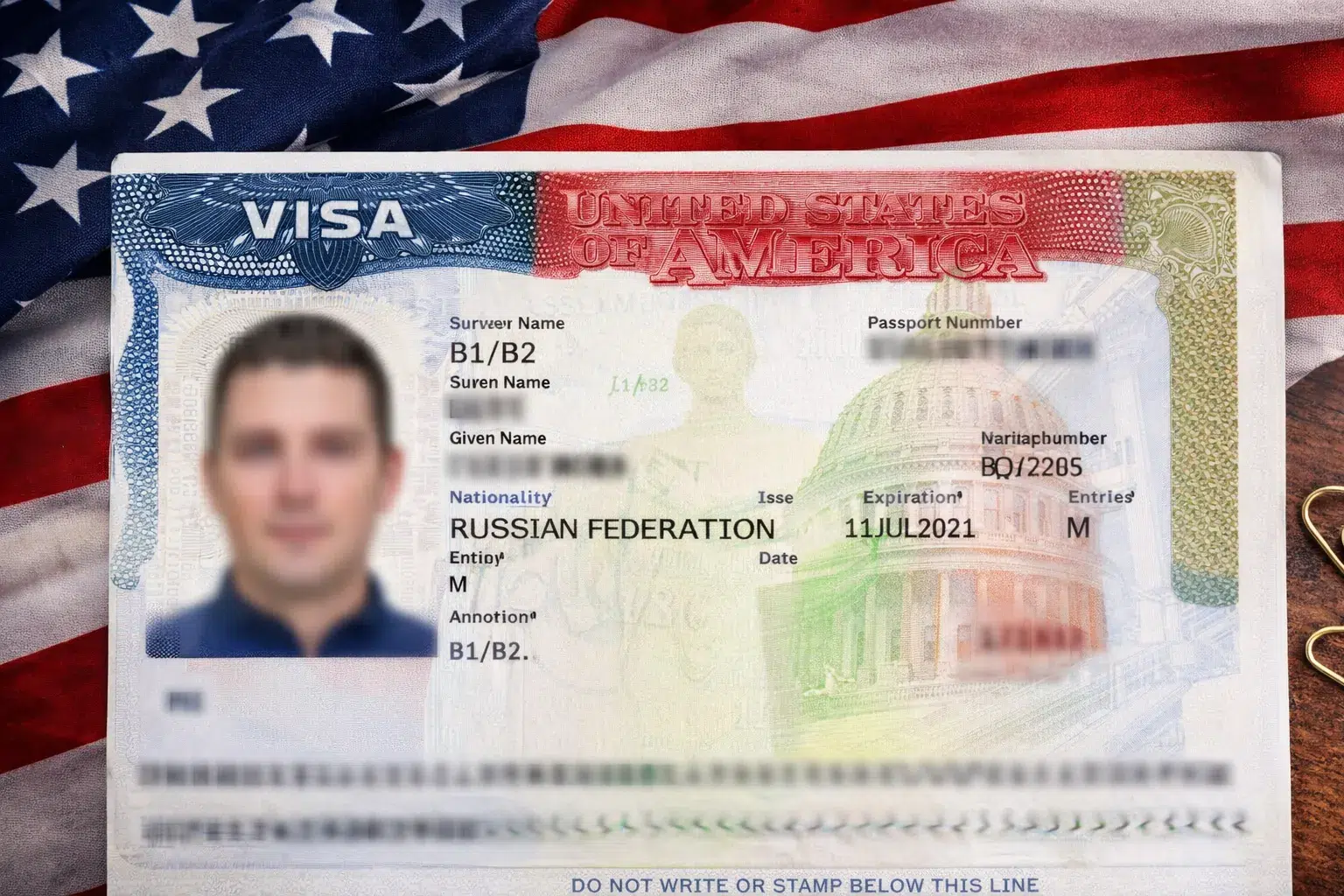
The US B1/B2 visa is a temporary visa. Applicants must prove that they plan to return to their home country.
If the officer suspects you might immigrate or work illegally, your application may be refused under Section 214(b).
Possible warning signs
- No job or studies to return to
- Family members living permanently in the US
- No previous travel history
- Resigning from a job just before applying
How to strengthen your case
Provide proof of:
- Stable employment
- Family responsibilities
- Property ownership
- Educational commitments
These factors show that your visit to the US is temporary.
8. Criminal Record or Security Concerns
The United States performs strict background checks on visa applicants. Criminal issues such as fraud, theft, drug offences, or pending cases may lead to visa refusal under immigration law.
Important advice
Always declare any arrests, charges, or legal issues honestly on your DS-160 form. In complex situations, consulting an immigration lawyer can help you understand your options.
9. Fake Documents or Misrepresentation
Submitting false information is one of the most serious US visa refusal reasons. Examples include:
- Fake bank statements
- Fraudulent employment letters
- Incorrect travel history
- False personal information
Providing fake documents can lead to permanent visa ineligibility.
How to avoid this
- Submit only genuine documents
- Review your application carefully
- Avoid agents promising guaranteed visas
Honesty and transparency are critical for visa approval.
Final Thoughts
A US tourist visa rejection can feel discouraging, but it does not mean you cannot apply again. Most refusals occur due to issues such as weak ties to the home country, unclear travel purpose, financial concerns, or mistakes in the DS-160 form.
By understanding the common US tourist visa rejection reasons, you can prepare a stronger application next time. Ensure your documents are accurate, your travel plans are clear, and your interview answers are consistent.
With proper preparation, many applicants who were previously refused later receive approval for their US B1/B2 tourist visa.
FAQs
Q: What are the most common US tourist visa rejection reasons?
A: The most common reasons include weak ties to your home country, insufficient financial proof, unclear travel purpose, poor interview performance, and DS-160 errors.
Q: What does US visa rejection under Section 214(b) mean?
A: Section 214(b) means the visa officer believes the applicant may intend to immigrate to the US instead of visiting temporarily.
Q: Can I reapply after a US tourist visa rejection?
A: Yes, you can reapply anytime, but it is recommended to improve your profile and address the reasons for rejection before submitting a new application.
Q: Does bank balance affect US tourist visa approval?
A: Yes, applicants must show sufficient and stable financial proof to cover travel expenses without relying on work in the United States.
Q: How can I avoid US tourist visa rejection?
A: Provide strong ties to your home country, accurate DS-160 information, clear travel plans, financial proof, and answer interview questions confidently.
Q: Is the US tourist visa interview difficult?
A: The interview is usually short, but applicants must clearly explain their travel purpose and prove they will return to their home country.