
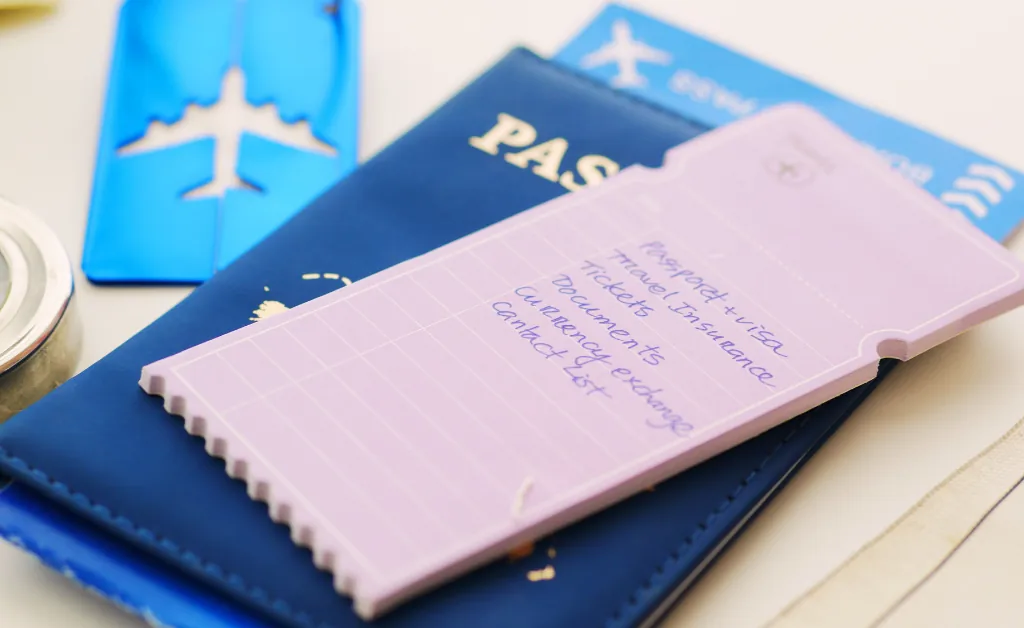
Traveling abroad is exciting—but without proper preparation, it can quickly become stressful. Missing a document, forgetting essentials, or poor planning can ruin the experience before it even begins.
That’s why having a complete travel checklist before an international trip is so important. With the right preparation, you can avoid common mistakes and enjoy a smooth, worry-free journey.
Table of Contents
Why You Need a Travel Checklist Before an International Trip
International travel is very different from domestic travel. You’re dealing with new rules, currencies, and unfamiliar environments. A checklist helps you stay organized and reduces the chances of forgetting something important.
Before an international trip, travelers should check passport validity, visa requirements, flight details, accommodation, and travel insurance. Preparing finances, packing essentials, organizing documents, and planning transportation also ensures a smooth and stress-free travel experience.
In fact, many travelers make simple but costly errors—if you want to avoid them, you can also read this guide on common travel mistakes:
👉 itineraryplans.com/common-travel-mistakes/
1. Check Your Passport and Visa Early
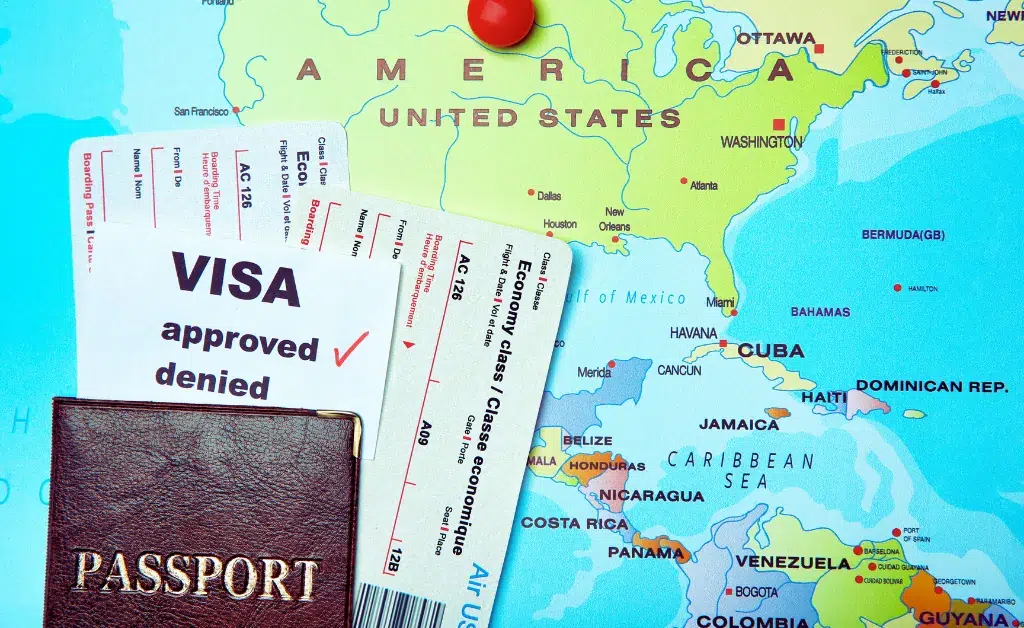
Start with the most important step—your travel documents. Make sure your passport is valid for at least six months beyond your return date. Many countries won’t allow entry if it expires sooner.
Then, check visa requirements for your destination. Some countries offer visa-on-arrival or eVisa options, while others require applying weeks in advance.
It’s also a smart idea to keep both printed and digital copies of your documents. If anything gets lost, you’ll thank yourself later.
2. Confirm Your Flights and Travel Details
Once your documents are ready, review your flight bookings carefully. Check the dates, baggage rules, and any transit requirements.
Airlines often have different policies for international routes, so don’t assume it’s the same as domestic travel. Also, remember to check in online before your flight—it saves time and sometimes money.
3. Get Travel Insurance
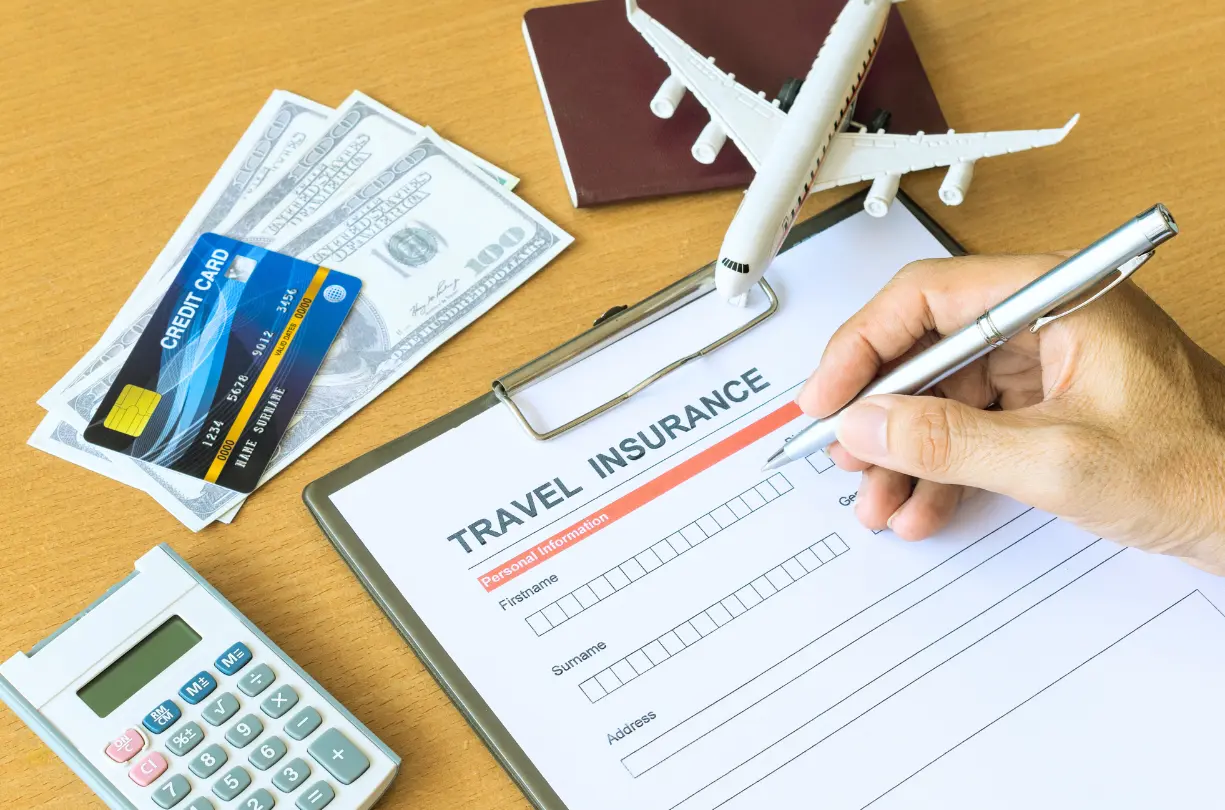
Travel insurance is not optional—it’s essential.
Look for coverage that includes:
- Medical emergencies
- Trip cancellations
- Lost or delayed luggage
- Emergency evacuation
A good policy should cover health issues, cancellations, and travel disruptions. Think of it as a safety net for your trip.
4. Prepare Your Finances
Handling money abroad requires a bit of planning. Inform your bank before traveling so your cards don’t get blocked for suspicious activity.
Carry a small amount of local currency for immediate expenses like transport or food after arrival. At the same time, avoid relying only on cash—using a mix of cards and cash is the safest approach.
5. Book Accommodation in Advance
Arriving in a new country without a confirmed place to stay can be stressful. Booking your accommodation in advance gives you peace of mind and saves time.
Make sure to save your hotel or Airbnb details, including the address and contact number. It’s also helpful to keep a screenshot in case you don’t have internet access when you arrive.
6. Plan Transportation at Your Destination
Before you land, have a basic idea of how you’ll get around. Whether it’s airport pickup, public transport, or ride-sharing apps, knowing your options can prevent confusion.
This small step can also help you avoid overpriced taxis or scams in unfamiliar places.
7. Create a Simple Itinerary
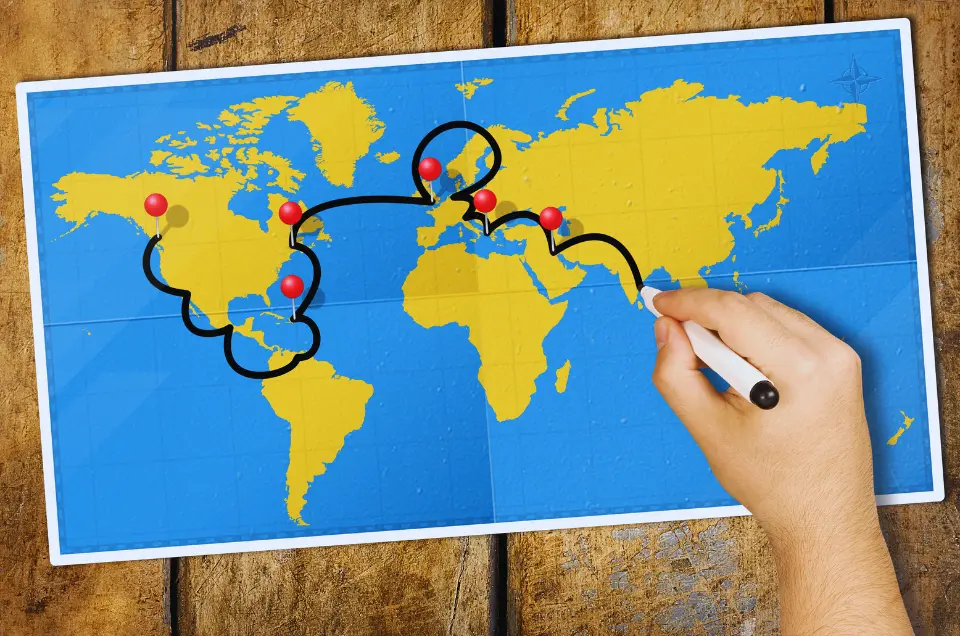
You don’t need to plan every hour, but having a rough itinerary makes your trip smoother. Focus on the main places you want to visit and leave room for flexibility.
If you’re unsure how to structure your days, this detailed guide can help:
👉 itineraryplans.com/how-to-plan-a-travel-itinerary
And if you’re visiting multiple destinations, this guide is worth checking:
👉 itineraryplans.com/multi-country-itinerary/
8. Pack Smart, Not Heavy
Packing is one of the most common challenges for travelers. Instead of overpacking, focus on essentials that match your destination’s weather and activities.
Bring comfortable clothing, important toiletries, and any personal medications. Don’t forget practical items like a power bank and universal adapter.
Packing light not only saves money on baggage fees but also makes moving around much easier.
9. Keep All Important Documents Organized
Having your documents scattered in different places can create unnecessary stress. Keep everything in one folder or organizer so it’s easy to access when needed.
Digital backups are equally important. Store copies on your phone or email so you’re prepared for any situation.
10. Prepare for Health and Safety
Before traveling, check if your destination requires any vaccinations. It’s also wise to carry basic medicines for common issues like headaches, allergies, or stomach problems.
Even if you don’t need them, having them with you provides peace of mind.
11. Set Up Internet Access
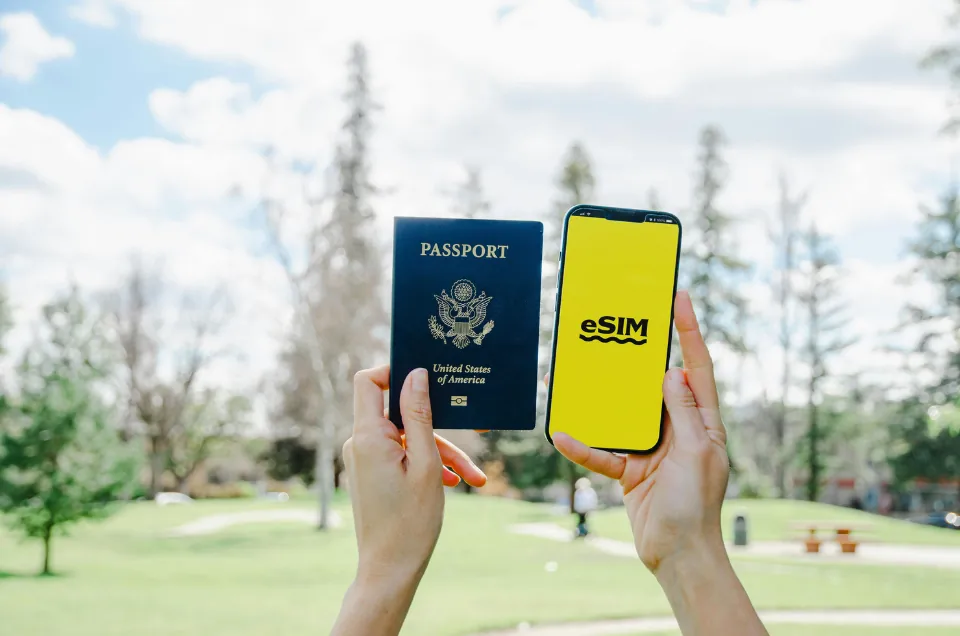
Staying connected while traveling helps with navigation, communication, and safety. You can choose between international roaming, local SIM cards, or eSIM options depending on your destination.
Downloading offline maps before your trip is a simple step that can make a big difference.
12. Learn Basic Local Information

Understanding your destination improves your experience.
- Local currency
- Basic language phrases
- Cultural etiquette
- Emergency numbers
This helps you travel respectfully and confidently.
13. Secure Your Home Before Leaving
Before heading to the airport, take a few minutes to secure your home. Lock doors and windows, turn off unnecessary appliances, and inform someone you trust about your trip.
This ensures you can travel without worrying about what’s happening back home.
14. Final Pre-Departure Checklist
Before leaving for the airport, do a quick check:
- Passport ✔️
- Tickets ✔️
- Wallet ✔️
- Phone & charger ✔️
- Luggage ✔️
This simple habit can prevent major travel issues.
Final Thoughts
Planning ahead is the secret to stress-free travel. With this travel checklist before an international trip, you can stay organized, avoid common mistakes, and focus on enjoying your adventure.
If you’re just starting your travel journey, you may also find this beginner-friendly guide helpful:
👉itineraryplans.com/how-to-plan-a-trip/
Travel isn’t just about reaching a destination—it’s about the experiences, memories, and stories you create along the way.
FAQs
Q: What should I check before an international trip?
A: Before an international trip, check your passport validity, visa requirements, flight details, travel insurance, accommodation, and financial arrangements. It’s also important to prepare documents, pack essentials, and plan transportation at your destination.
Q: How early should I prepare for an international trip?
A: Ideally, you should start preparing at least 4 to 8 weeks before your trip. This gives you enough time to arrange visas, book flights, secure accommodation, and organize important travel documents without stress.
Q: What are the most important documents for international travel?
A: The most important documents include your passport, visa (if required), flight tickets, travel insurance, and hotel reservations. Keeping both printed and digital copies is highly recommended for safety.
Q: Do I really need travel insurance for international trips?
A: Yes, travel insurance is highly recommended. It covers unexpected situations like medical emergencies, trip cancellations, and lost luggage, helping you avoid high costs while traveling abroad.
Q: How much money should I carry for an international trip?
A: It’s best to carry a mix of payment options. Bring a small amount of local currency for immediate expenses and use debit or credit cards for larger payments. Avoid carrying too much cash for safety reasons.
Q: What should I pack for an international trip?
A: You should pack weather-appropriate clothing, essential toiletries, travel documents, medications, and electronics like chargers and power banks. Packing light and smart makes your trip more comfortable.
Q: What are common mistakes to avoid before traveling abroad?
A: Common mistakes include forgetting to check passport validity, not buying travel insurance, overpacking, and not planning transportation in advance. Proper preparation helps avoid these issues.