

Turkey is a land where the visitor will get a blended taste of Asia and Europe, a continent’s meet and empires that once rose and fell, a country of dramatic landscapes, rich history, and soul-stirring experiences. That’s why choosing the best time to visit Turkey isn’t about following a single “perfect” month—it’s about matching the timing with your travel plans, comfort level, and budget.
In Turkey, you will experience the flavours of the east and west, from its amazing culture and architecture. The region is most famous for its Mediterranean beaches, ancient ruins, and extensive attractions in Istanbul, its megacity. Turkey Boza/corn Mountains, rural villages, sunset in deserts, and floodplain forest among its geography diversified offerings to provide a pleasant feedback.
In this guide, we’ll break down the best time to travel to Turkey in a simple, easy-to-understand way—so you can plan your trip with confidence and avoid surprises.
Table of Contents
Consider the relevant factors about Timing
The suitable time to visit Turkey is when the weather lets you enjoy all of it and more. Depending on your visit, you might see Turkey as a region of natural wonders and rich cultural festivals. From sun-kissed beaches of the turquoise (Stone) coast to the surreal valleys of Cappadocia, timing year your trip can shape very humorous of your journey, moving across part of Europe and Asia.
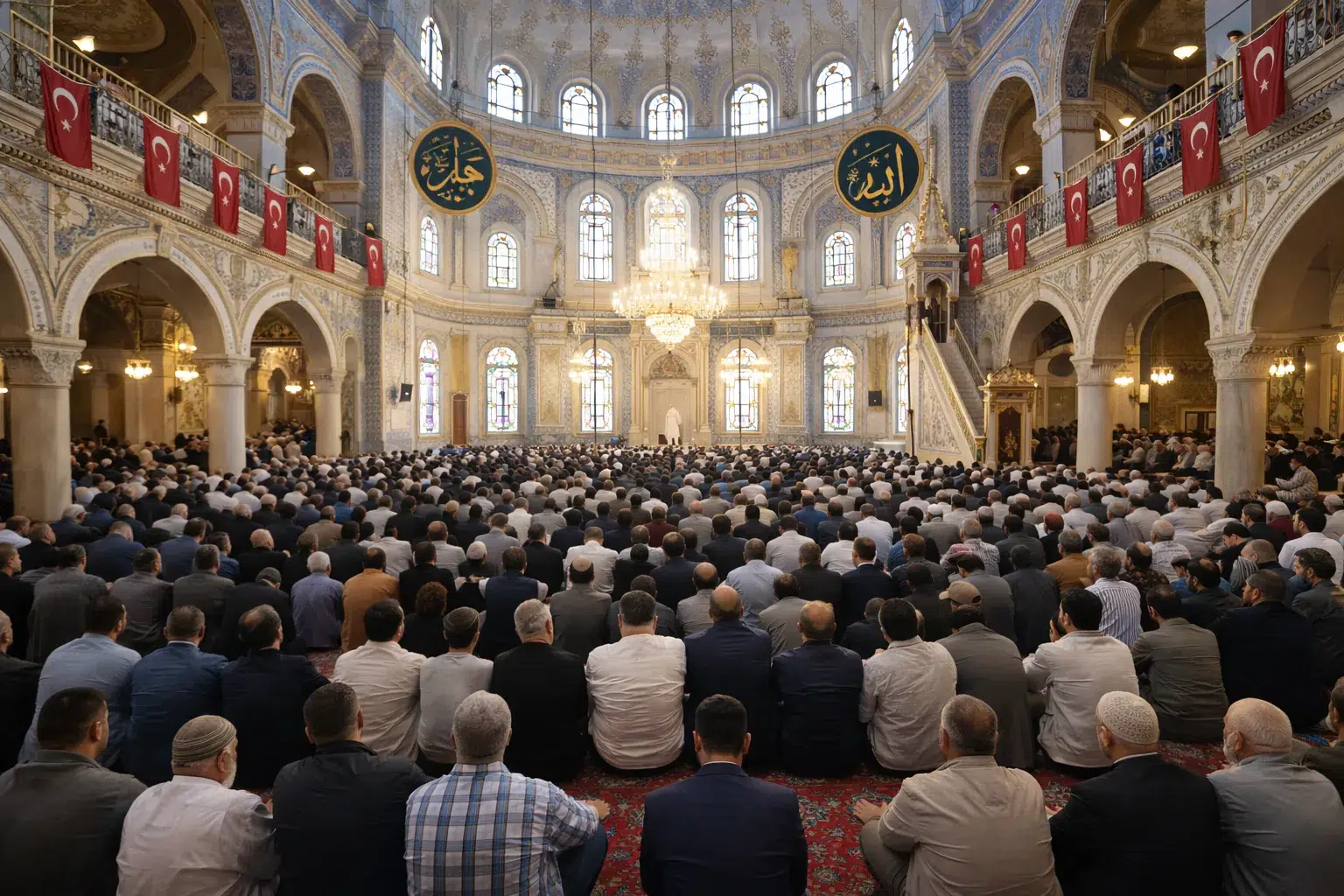
When planning your travels in Turkey, please keep in mind about the two important religious festivals, Ramadan Bayram (Eid-ul-Fitre-holiday) and Kurban Bayram (Eid-ul-Adha-holiday) whose dates shift slightly every year with lunar calendar. These holidays are extremely popular times for Turkey’s to travel, which is almost alike to travelling around Thanksgiving or Christmas in the USA. So, expect more crowds, higher prices, and days on which museums, officials, offices and small businesses may be closed.
The Best Time to Visit Turkey (Quick, Honest Answer)
For most travellers, the best time to visit Turkey is:
April–May and September–October
These months offer:
- Comfortable temperatures across most regions
- Fewer crowds than in the summer,
- Better prices than peak season,
- Ideal conditions for sightseeing, city walks, and cultural travel.
If this is your first trip to Turkey, start here.
How to Choose the Best Time to Travel to Turkey
Instead of thinking in seasons, ask yourself these four questions:
- Do I care more about weather or price?
- Do I prefer busy & lively or quiet & relaxed places?
- Is my trip focused on cities, nature, or beaches?
- Are there specific experiences I don’t want to miss?
Your answers determine the best time — not the calendar.
Plan to fix the time of visit based on Seasons

Across Europe and Asia, Turkey experiences four distinct seasons, each offering something fantastic.
- Spring (April-June-Approx-22’C.): The best months to visit Istanbul through March to May and between September to November when there are several cultural events & listening to tourist crowds, A travel between peak & off-peak seasons, shoulder season refers to the travel period between a destinations peak (busiest & expensive) and off-peak (slowest/cheapest) seasons, usually occurring during spring or fall. It offers a balanced experience with manageable crowds, moderate weather, and lower-priced flights, along with accommodation. Generally, it is the transition period, such as April-May or September-October, for many summer destinations.
- Summer (July-August-Approx. 30 °C+.): During this time, you will taste the roaring temperatures, especially in the inland regions.
- Autumn (September to early November-Approx. 20 °C): This period is widely considered the most favourable time to visit, when the weather is pleasantly mild, the skies are clear, and the crowds are fewer.
- Winter (December to February- Approx-10’C or lower): In the winter season, it is cold, with snowfall in several places like eastern Antalya and even in Istanbul, a gateway between Asia to Europe.
Shoulder Season and Its Benefits: Generally, shoulder season is considered the best time to visit Turkey, occurring during April-May (spring) and September-October (autumn). These months offer the ideal balance of warm, pleasant weather, fewer crowds, and more moderate prices compared to the intensive heat and high costs of the summer peak season (June-May). Eventually, these periods are considered as the “golden window” for visiting, allowing travelers to experience the culture and diversified scenery without the overwhelming tourist density.
On the other hand, Travellers often find affordable prices, shorter lines/ times to reach into the desirable destinations. However, the climates in Turkey vary by region, with hot-summer and cold-winter typical of the Mediterranean & Antalya regions.
Attractive locations/Sites to visit in Turkey are as follows
Top Historical & Cultural Sites:
- Istanbul (Sultanahmet): Turkey’s vibrant former capital, the cultural heart, featuring the Hagia Sophia, Blue Mosque, Topkapi (Cannon gate) Palace, and Basilica Cistern (Floating toilets).
- Ephesus Ancient City (Selcuk): One of the best-preserved Roman cities in the Mediterranean, including the Library of Cosue.
- Gobeklitepe (Sunliurfa): Known as the world’s oldest temple, dating back to 10,000 BCE.
- Ankara: The capital city, featuring the Anitkabir (Ataturk’s Mausoleum) and the Museum of Antalya Civilisations.
- Suumela Monastery (Tarzan-Troy): A Stunning/impressive 4th-century monastery clinging to a sheer cliff face.
Natural Wonders & Landscapes Not To Be Missed:

- Cappadocia: Famous for sunrise hot air balloon rides over ‘fairy chimney’ rock formations and underground cities like Derinkuyu-Deep well.
- Pamukkale: ‘Cotton Castle’ white travertine filled with mineral-rich hot springs, located next to the ancient city of Hierapolis.
- Oludeniz (Fathiye): Renowned for its blue lagoon and paragliding (flying with a glider) over the coast. Famous beach in the world (Protected, calm, crystal-clear, and turquoise-water bay).
Mediterranean and Aegean Coastline (Turquoise Coast):
- Antalya: A major hub known for Kaleici (the oldest town/ ruins), Hadrian’s Gate, and nearby beaches.
- Bodrum: A vibrant Peninsula featuring a Crusader/Bodrum Castle (Crusader fortress), marina, and lively nightlife.
- Kas: A charming bohemian seaside town in Antalya province, with perfect beaches, popular for diving, and a rich blend of. blue-green water, dramatic mountains meet sea scenery
There are more remarkable sites that may not be Possible to ignore for an Inquisitive Tourist:
- Bursa: A historical city close to Istanbul.
- Uludag Natural Park: A Skiing and Hiking paradise for outdoor lovers.
- Edrine: The city of festivals
- Madrin: Stunning Artuqid (artuqid-Turkmen dynasty) awaits in this diverse city.
- Dare: A Ruined Ancient City that Barely Receives Any Tourists.
- Ayvalik: The best place to Holiday in Turkey like a local.
- Ishak Pasa Palace: The second-best place in all of Turkey.
- Lake Van: Turkey’s largest Lake.
- Trabzon: One of Turkey’s historic cities on the Black Sea Coast.
- The Ayder Plateau: The Swiss Alps of Turkey
- Kars: An antique city with Armenian Heritage and Russian Influences.
- Anii: The incredible Ruins of the Bagratid Armenian kingdom.
- Mount Nimrud: An Ancient Archaeological site famous for its Gigantic Statue Heads.
- Sanliufa: The city of the Prophets
- Bobekli Tepe: The Oldest Temple in the world.
- Gaziantep: Turkey’s Culinary (Traditional cuisine) Capital.
Important Notes to Visit Turkey to Make Your Trip a Success:
You know that the ‘Shoulder Seasons’ (April-May) and (September-October) are the most convenient times to visit the whole of Turkey, and it is also a good time to visit the most attractive sites because of pleasant weather, fewer crowds, and affordable costs. You can also travel to Turkey year-round. But, this may not be possible in all available locations due to particular reasons, such as accepting extreme heat, cold, crowds, and high costs, etc.
On the other hand, almost all visiting sites are generally open from 8:00 to 19:00 in summer and 8:30 to 17:00 in winter. Consider a Museum Pass (pre-paid card ) for visiting multiple sites or online/app tickets by paying the ticket price. You can also collect a ticket from the particular ticket counter by spending enough time.
Remember that in Turkey, the standard weekly holidays are Saturday and Sunday, but tourism services continue to operate, and tourists are often exempt from any restrictions.
How Can Costs Be Minimised To Visit Turkey:
If you consider the choice of a tourist, some travellers want pleasant weather for sightseeing, some dream of floating in a hot air balloon over Cappadocia, and others may care most about beaches, festivals, and saving money. That’s why asking “What is the real time to visit Turkey?” has no single answer.
In this write-up, we’ll outline some points that may help minimise costs when visiting Turkey from anywhere in the world. This is an easy-to-understand way to plan your trip with confidence and avoid surprises. Key cost-saving strategies include:
Flight: Book flights early and monitor budget airline prices; consider flying on weekdays to find the lowest rates.
Optimal Timing: If possible, avoid peak summer months. Visit during April-May or September-November for lower flight and accommodation prices.
Transportation Savings: Purchase an Instanbulkart Smart card) for buses, trams, and ferries. Use Flexuous or overnight buses for long distances rather than domestic flights.
Budget Accommodation: Choose pension guest houses (low-rent houses) or neighbourhood hostels instead of large hotel chains. Consider staying outside Istanbul’s main centres.
Dining like a local: Eat at lokatas (local restaurants) that offer traditional, inexpensive food. Avoid restaurants with English menus on the main tourist streets.
Free and low-cost Sightseeing: Utilise free attractions, such as visiting major mosques (e.g., the Blue Mosque), walking through neighbourhoods like Balat (outer cover), and exploring Bazaars. Buy a museum pass if planning to visit many sites.
Smart Currency Holding: Exchange money in City Centers rather than airports. Use apps like ‘Wise or Revolt’ for better exchange rates.
Activities: Negotiate (haggle) in Bazaars and consider, for example, a Turkish bath or a local hammam (Islamic Bathing cultures) instead of a luxury Spa.
Considerable Factors for First-Time Travelers:
- Obtain a correct visa online & purchase a museum pass to skip lines/Queues.
- Carry cash (Turkish Lira) for small purchases, dressing modestly (covering shoulders/knees) to respect cultural norms at religious sites.
- Use apps like ‘BiTaksi’ to avoid taxi scams.
- Focus on staying in central Istanbul.
- Embrace ‘Tea Culture’ (Drink tea if offered), don’t drink tap water, enjoy street food, and carry hand sanitiser & tissues.
- Best time to visit: The off-season (November-March) offers lower prices, while spring and fall provide the best weather.
Frequently Asked Planning Questions
Q: Is there a bad time to visit Turkey?
A: There is no bad time to visit Turkey, but some months suit certain activities better than others, such as avoiding summer heat for sightseeing or winter for beaches.
Q: What is the best month overall to visit Turkey?
A: April, May, September, and October are the best months overall due to comfortable weather, fewer crowds, and balanced travel costs.
Q: Is Turkey worth visiting in winter?
A: Yes, winter is a good time to visit Turkey for budget travel, quieter cities, and snowy landscapes, especially in Cappadocia.
Q: Is Turkey crowded in summer?
A: Yes, Turkey is busiest in July and August, particularly in major cities and coastal resorts.
Q: When is the cheapest time to visit Turkey?
A: The cheapest time to visit Turkey is from January to March and in late November, when travel demand is lowest.
Q: When is the best time to visit Turkey for first-time travellers?
A: First-time travellers should visit in spring or autumn, especially April–May or September–October.
Q: Is summer a good time to visit Turkey for sightseeing?
A: Summer is not ideal for sightseeing due to high temperatures, especially in inland cities.
Q: When is the best time to visit Cappadocia for hot air balloons?
A: The best time for Cappadocia hot air balloons is April–June and September–October, when weather conditions are more stable.
Q: Can tourists visit Turkey during Ramadan?
A: Yes, tourists can visit Turkey during Ramadan, as attractions remain open, though some local businesses may have limited daytime hours.
Q: How many days are enough to visit Turkey?
A: Ten to fourteen days are ideal to explore Turkey’s main highlights, including Istanbul, Cappadocia, and the coast.
Concluding Words Relating to the Visit in Turkey.
The most feasible time to visit Turkey depends on what you want to experience, not just what the calendar suggests. Spring and autumn may be good for most travellers, summer is ideal for beaches and coastal resorts, and winter offers calm & quieter cities and lower prices for flexible travellers.
By planning your visit around your choices—whether that’s sightseeing, nature, relaxation, or budget travel—you’ll enjoy Turkey at its best. The right timing selection makes every trip to Turkey feel thoughtfully planned, comfortable, and rewarding.