
Planning a trip to Europe is exciting—but if you don’t get your budget right, it can quickly become stressful. The truth is, there’s no single answer to how much you’ll spend. Your daily budget for a European trip depends on how you like to travel, where you go, and how flexible you are during the journey.
Some people explore Europe on €60 a day, while others comfortably spend €250 or more without even trying. The key is understanding where your money actually goes—and how to control it without ruining your experience.
Note: Before you even land in Europe, it helps to understand a few essential things about flying, especially if this is your first international trip—this guide can make your journey much smoother.
Let’s break it down in a realistic, no-fluff way.
Table of Contents
How Much Do You Really Need Per Day?
If you’re trying to set a baseline, here’s the honest range: most travelers spend somewhere between €70 and €200 per day.
But that number isn’t random—it reflects three very different travel styles.
If you’re traveling on a tight budget, staying in hostels, grabbing food from bakeries, and using public transport, you can comfortably stay under €90 per day. It won’t feel luxurious, but it will feel adventurous.
If you prefer a bit of comfort—private rooms, decent restaurants, and paid attractions—you’ll likely land in the €100–€180 range. This is where most travelers fall.
And if you’re aiming for a more premium experience—nice hotels, taxis, wine dinners—your daily cost can easily cross €250 without much effort.
What matters is not choosing the cheapest option, but choosing what matches your expectations.
Accommodation: The Biggest Budget Factor

Let’s be honest—where you sleep will take the biggest chunk of your Europe travel budget.
In cities like Paris, London, or Amsterdam, prices can feel shocking at first. A basic hotel room might cost more than an entire day’s budget elsewhere in Europe. But if you look beyond city centers or book early, things become much more manageable.
Most travelers end up choosing between hostels, budget hotels, or short-term rentals. Hostels aren’t just for students anymore—they’re clean, social, and often located in prime areas. On the other hand, Airbnb or small guesthouses can give you more privacy without going full luxury.
A quick reality check:
- Big cities = higher accommodation costs
- Smaller towns = significantly cheaper stays
- Booking early = huge savings
If you plan smartly, you can cut your daily budget dramatically without sacrificing comfort.
If you’re trying to lower your hotel costs without sacrificing comfort, these accommodation hacks can help you stretch your travel budget significantly.
Food in Europe: Expensive or Affordable?
Food in Europe is one of the best parts of the trip—but it can either be surprisingly affordable or quietly expensive, depending on your habits.
If you eat near tourist attractions every day, your budget will disappear fast. But if you explore local neighborhoods, bakeries, and supermarkets, you’ll realize Europe can actually be quite reasonable.
A simple breakfast from a bakery, a casual lunch, and a relaxed dinner can easily fit into a mid-range budget. And honestly, some of the best meals in Europe aren’t in fancy restaurants—they’re from small, local spots.
To keep your daily food cost under control, many travelers naturally do things like:
- Grab breakfast from a local bakery instead of a café
- Eat one proper restaurant meal per day instead of three
- Try supermarket meals or ready-to-eat options
- Avoid restaurants right next to major attractions
You don’t need to “budget” aggressively—you just need to be slightly mindful.
Transportation: Easy to Overspend Here
Transportation in Europe is incredibly efficient—but it’s also where many travelers overspend without realizing it.
Trains, flights, buses, metros—it all adds up quickly if you’re moving too often or booking last minute.
If you’re traveling between cities frequently, your daily budget for Europe trip will naturally increase. But if you slow down and spend more time in fewer places, your costs drop significantly.
Public transport within cities is usually affordable and reliable. The real expense comes from intercity travel.
A few smart habits make a big difference:
- Booking trains early can cut costs in half
- Budget airlines are cheap—but watch for baggage fees
- Overnight travel can save both time and accommodation cost
Travel slower, and your budget will thank you.
One of the easiest ways to save money on your Europe trip is by booking at the right time—here’s a helpful guide on.
Attractions and Experiences
Europe is full of iconic attractions—museums, historic landmarks, guided tours—but you don’t have to pay for everything to enjoy it.
In fact, some of the most memorable experiences cost nothing: walking through old towns, sitting by the Seine, exploring hidden streets, or watching a sunset in Santorini.
Of course, you’ll still want to visit famous places like the Colosseum or the Eiffel Tower. These usually cost between €10 and €25, and they’re often worth it.
The trick is balance. Mix paid experiences with free ones, and your budget stays under control without feeling restricted.
How Your Destination Changes Everything
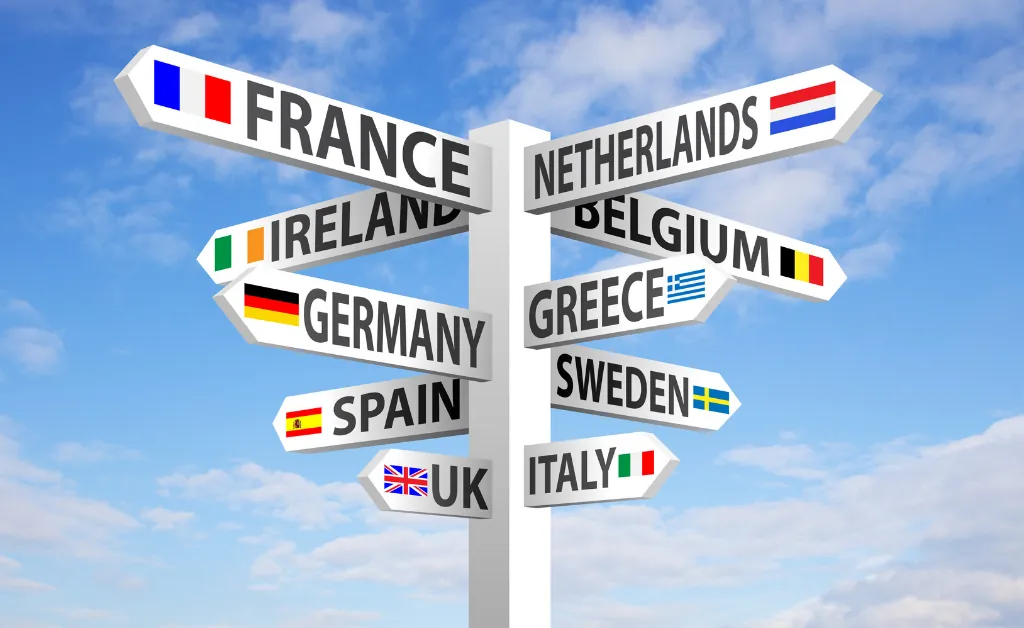
One thing many people underestimate is how much your destination affects your daily budget.
Western and Northern Europe—places like Switzerland, Norway, and Denmark—are significantly more expensive. Even basic expenses feel premium there.
Meanwhile, Eastern Europe offers incredible value. Cities like Budapest, Krakow, and Sofia give you a full European experience at almost half the cost.
That’s why two people can travel for the same number of days but spend completely different amounts.
Choosing your destinations wisely is one of the smartest ways to control your Europe trip expenses.
If you’re considering adding a cruise to your itinerary, knowing the ideal season matters—this breakdown about the European Cruise can help you decide.
What Is the Average Daily Budget for a Europe Trip?
When planning your travel expenses, it’s important to understand that Europe is not a one-size-fits-all destination. Your daily budget will depend on your lifestyle, accommodation choices, and the countries you visit.
On average, travelers can expect to spend between €50 to €300+ per day.
Budget Breakdown by Travel Style
Budget Traveler (€50–€90/day)
- Ideal for backpackers, students, and solo travelers who prioritize affordability.
- Stay in hostels or budget Airbnb
- Use public transportation
- Eat street food or cook meals
- Visit free attractions and walking tours
Mid-Range Traveler (€100–€180/day)
- Perfect for couples or comfort-focused travelers.
- Stay in 3-star hotels or boutique stays
- A mix of public transport and occasional taxis
- Eat at casual restaurants
- Visit paid attractions and museums
Luxury Traveler (€200–€400+/day)
- Best for premium travel experiences.
- Stay in 4–5 star hotels
- Fine dining and wine experiences
- Private tours and taxis
- Exclusive attractions and experiences
A Realistic Example (7-Day Budget)
Let’s make this practical.
Imagine a mid-range traveler spending one week in Europe. Not too cheap, not too luxury—just comfortable travel.
You might spend around €120 per night on accommodation, €30–€50 on food daily, and a mix of transport and activities throughout the week.
By the end of 7 days, your total could land somewhere around €1,200 to €1,500, depending on your pace and choices.
That’s why the “daily budget” concept matters—it helps you stay aware without overthinking every expense.
How to Keep Your Budget Under Control (Without Feeling Cheap)
Saving money in Europe isn’t about cutting everything—it’s about making smarter choices.
Instead of rushing through five countries, spend more time in fewer places. Instead of booking last minute, plan ahead where it matters. And instead of chasing the cheapest option, focus on value.
A few small mindset shifts can make a huge difference:
- Travel during shoulder season when prices drop but weather is still good
- Use travel cards like Wise or Revolut to avoid hidden fees
- Walk more—European cities are made for it
- Prioritize experiences over luxury
You don’t need to sacrifice enjoyment to stay within budget.
Final Thoughts
At the end of the day, your daily budget for Europe trip is less about strict numbers and more about how you choose to travel.
Europe can be affordable, expensive, or somewhere in between—it all depends on your decisions. The good news is, with a little planning and awareness, you can create an unforgettable trip without overspending.
And honestly, that’s the goal—not just saving money, but spending it in a way that actually enhances your experience.
Many travelers overspend simply due to avoidable travel mistakes, so it’s worth checking these to stay on track with your budget.
FAQs
Q: What is the average daily budget for a Europe trip?
A: The average daily budget for a Europe trip typically ranges from €70 to €200, depending on your travel style, destination, and spending habits.
Q: How much money do I need for 7 days in Europe?
A: For a 7-day Europe trip, most travelers spend between €500 and €1,500. Budget travelers spend less, while mid-range and luxury travelers spend more.
Q: Is Europe expensive for tourists in 2026?
A: Europe can be expensive, especially in countries like Switzerland and Norway. However, many Eastern European destinations remain affordable for budget travelers.
Q: What is the cheapest way to travel in Europe daily?
A: The cheapest way to travel Europe daily is by staying in hostels, using public transport, eating local food, and booking tickets in advance.
Q: How can I reduce my daily budget for the Europe trip?
A: You can reduce your daily budget by traveling in the off-season, choosing budget accommodations, cooking some meals, and limiting frequent travel between cities.
Q: Which countries in Europe are budget-friendly?
A: Countries like Hungary, Poland, Romania, and Bulgaria are among the most budget-friendly destinations in Europe for travelers.