Flying for the first time can feel overwhelming. From navigating the airport to understanding boarding procedures, there are many unfamiliar steps that can make new travelers anxious. But with the right preparation and knowledge, your first flight experience can be smooth, stress-free, and even enjoyable.
This guide covers everything you need to know, with practical airport tips for first-time flyers, including check-in, security, boarding, and insider travel hacks to make your journey easier.
Note: Planning ahead can make a big difference, especially when you know when flight prices are usually the lowest. Read the blog for detailed info
Table of Contents
1. Arrive at the Airport Early
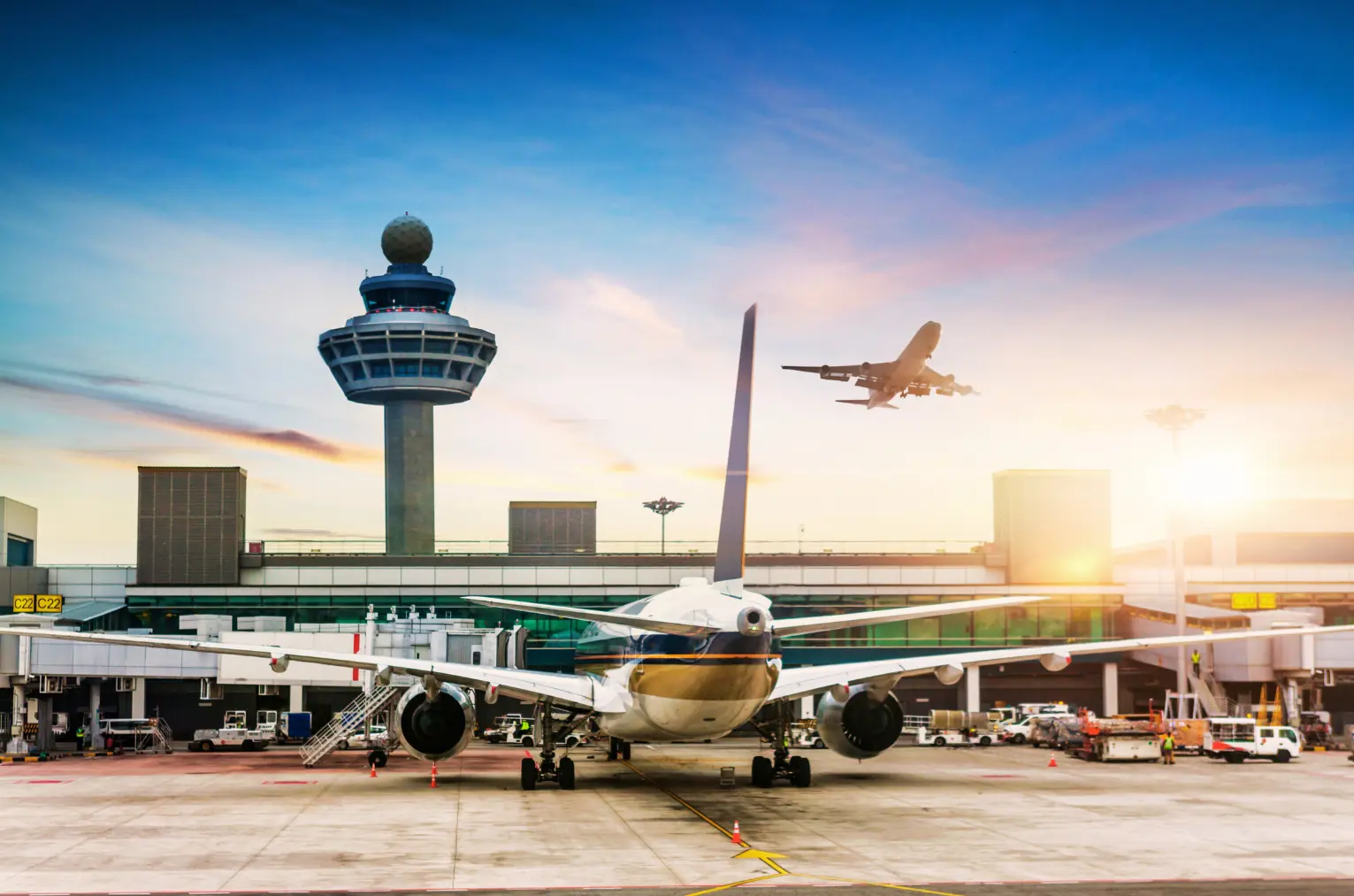
One of the most important airport tips for first-time flyers is to arrive early. Airports are busy environments, and delays can happen at any stage—from check-in to security screening.
Arriving early gives you enough buffer time to handle unexpected situations without panic.
Why early arrival matters:
- Allows time for check-in and baggage drop
- Helps avoid stress during security screening delays
- Gives you time to find your gate and understand the airport layout
- Prevents missing boarding due to long queues
Recommended arrival times:
- Domestic flights: 2–3 hours before departure
- International flights: 3–4 hours before departure
Being prepared before you leave home is easier if you follow a simple pre-travel checklist for flights
2. Understand Baggage Rules Before You Go
Baggage confusion is one of the biggest challenges for first-time flyers. Each airline has different policies for carry-on luggage and checked baggage.
Knowing the rules in advance helps you avoid extra fees and delays.
Key baggage tips:
- Check airline limits for weight and size restrictions
- Keep essentials in your carry-on bag
- Avoid packing restricted items (liquids, sharp objects)
- Label your luggage with name and contact details
Common baggage categories:
- Carry-on luggage (cabin baggage)
- Checked baggage
- Personal item (backpack, purse)
3. Keep Your Documents Ready
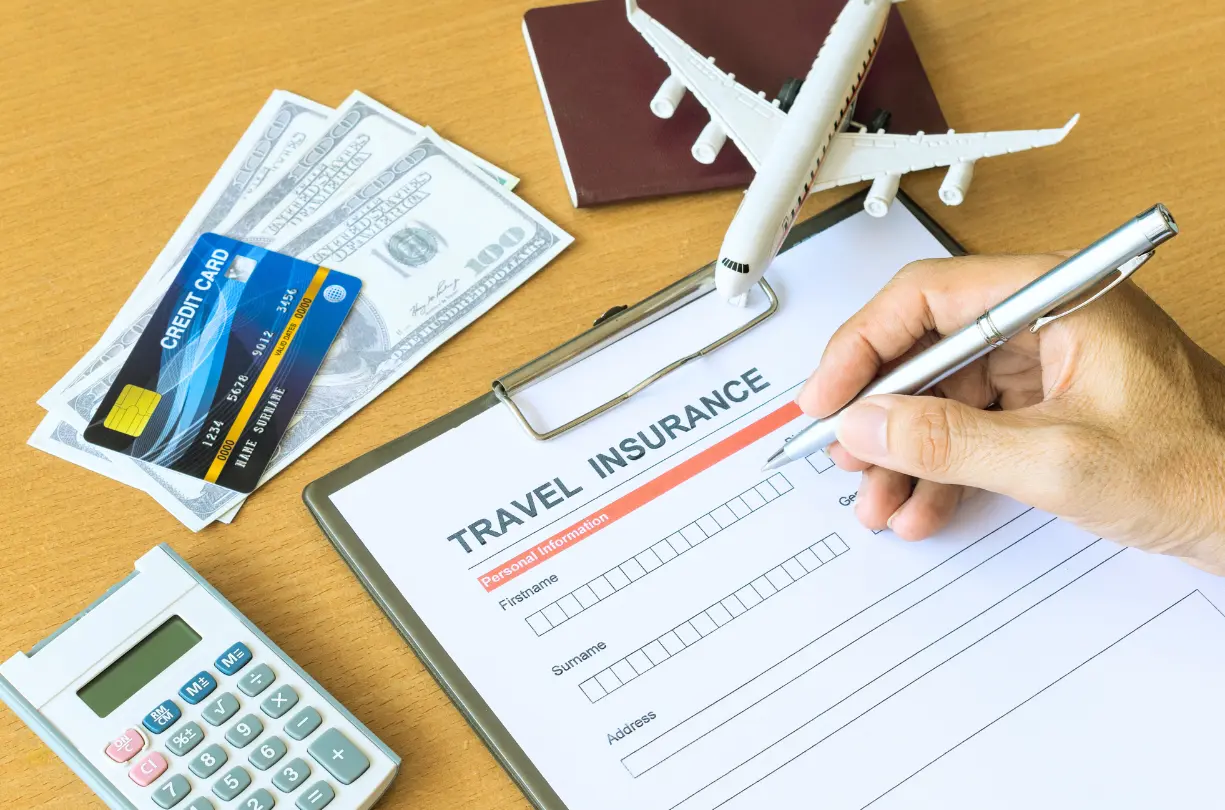
Airport procedures require multiple identity and travel checks. Having your documents organized will speed things up significantly.
This is especially important for international travel.
Essential documents:
- Passport (for international flights)
- National ID or driver’s license
- Boarding pass (printed or digital)
- Visa (if required)
- Travel insurance (recommended)
Pro tips:
- Keep documents in a travel folder or pouch
- Save digital copies on your phone
- Double-check expiration dates
If you’re confused about paperwork, understanding the difference between travel permits and identification documents can save you trouble.
4. Learn the Security Screening Process
Security checks can be intimidating for beginners, but they are straightforward once you know what to expect.
Airport security ensures passenger safety, and cooperation helps the process move faster.
What happens during security screening:
- Bags are scanned through X-ray machines
- You walk through a metal detector
- Liquids must follow the 100ml rule
- Electronics may need to be removed from bags
Tips to pass security smoothly:
- Wear easy-to-remove shoes
- Avoid carrying prohibited items
- Keep liquids in a clear plastic bag
- Follow the instructions from the airport staff
5. Understand Boarding Procedures
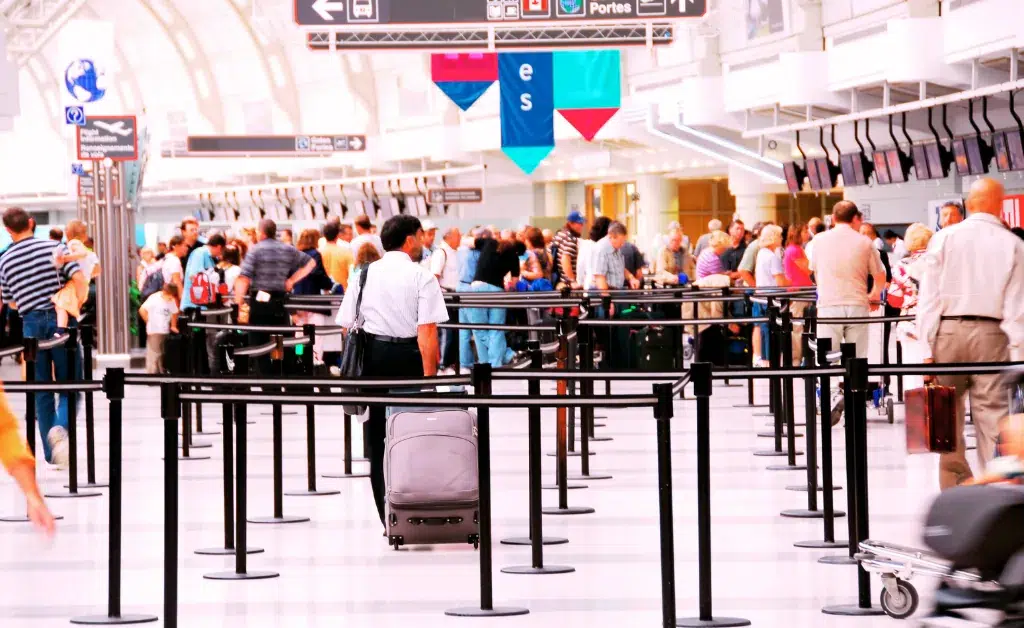
Boarding is the final step before your flight. Airlines follow specific boarding groups or zones.
Knowing how boarding works will help you avoid confusion at the gate.
Boarding process basics:
- Listen for announcements
- Check your boarding group or zone
- Show your boarding pass and ID
- Walk through the jet bridge or bus transfer
Helpful tips:
- Arrive at your gate at least 30–45 minutes early
- Don’t rush—boarding happens in stages
- Keep your documents easily accessible
6. Navigate the Airport Like a Pro
Airports can feel like a maze, especially for first-time travelers. But with a little awareness, you can move around confidently.
How to navigate easily:
- Follow airport signage and directions
- Use airport maps or apps
- Ask the staff if you feel lost
- Check screens for flight updates and gate changes
Important areas to know:
- Check-in counters
- Security checkpoints
- Departure gates
- Restrooms and lounges
7. Be Prepared for Waiting Time
Air travel often involves waiting—whether at the gate or during delays. Being prepared can make the experience much more comfortable.
What to do during waiting:
- Bring snacks or buy food inside the airport
- Carry a water bottle (fill after security)
- Download movies or music
- Read a book or browse your phone
Comfort tips:
- Wear comfortable clothing
- Carry a neck pillow for long flights
- Keep chargers or power banks handy
8. Use Technology to Your Advantage
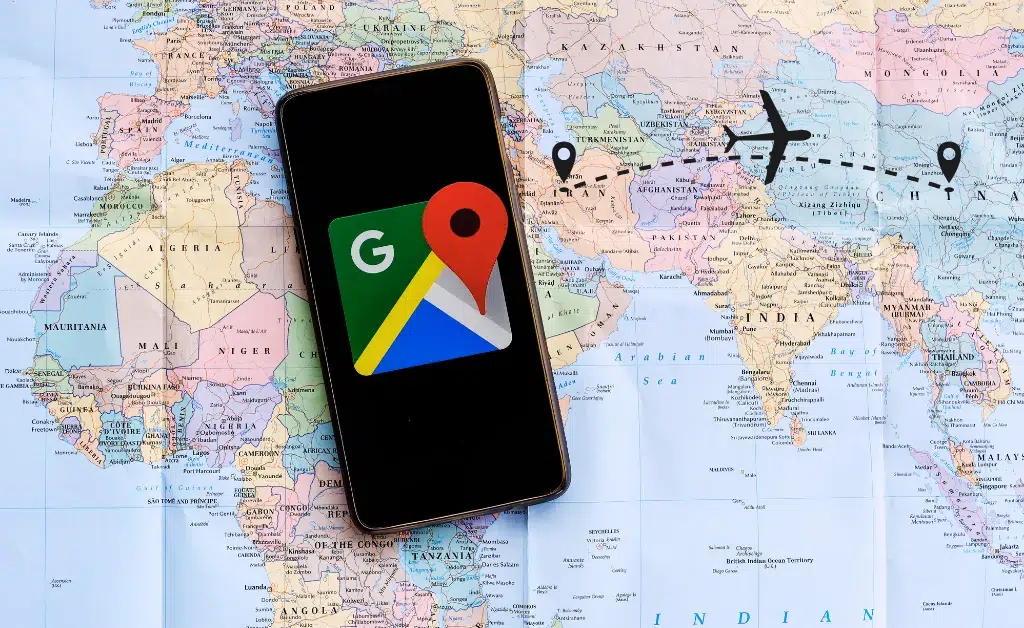
Modern travel is easier with the help of technology. Many airlines and airports offer digital tools to simplify your journey.
Useful travel tech:
- Airline apps for check-in and boarding passes
- Flight tracking apps
- Google Maps for airport navigation
- Digital wallets for storing tickets
Benefits:
- Saves time at check-in
- Reduces paperwork
- Provides real-time updates
9. Stay Calm and Follow Instructions
First-time flyers often feel nervous, but staying calm is key. Airport staff are there to help you at every step.
How to stay stress-free:
- Follow announcements carefully
- Ask questions if unsure
- Give yourself extra time
- Stay patient during delays
10. Bonus Travel Tips for First-Time Flyers
Beyond airport basics, a few extra tips can greatly improve your overall travel experience.
Expert tips:
- Choose a window seat for better views
- Avoid heavy meals before flying
- Stay hydrated during the flight
- Inform airline staff if you need assistance
To avoid stress, it helps to learn about the mistakes many new travelers unknowingly make
Final Thoughts
Flying for the first time doesn’t have to be stressful. With proper planning and these essential airport tips for first-time flyers, you can navigate the airport confidently and enjoy your journey.
The key is preparation—understand the process, stay organized, and give yourself enough time. Once you complete your first flight, future travel will feel much easier and more exciting.
Important FAQs
Q: What should first-time flyers do at the airport?
A: First-time flyers should arrive early, keep documents ready, follow check-in and security procedures, and pay attention to boarding announcements.
Q: How early should I arrive at the airport for my first flight?
A: Arrive at least 2–3 hours early for domestic flights and 3–4 hours for international flights to allow enough time for check-in and security.
Q: What documents are required for first-time flyers?
A: You need a valid ID, boarding pass, and passport for international travel. Some destinations may also require a visa and travel insurance.
Q: What happens during airport security screening?
A: Your luggage is scanned, you pass through a metal detector, and liquids must follow the 100ml rule. Electronics may need to be removed.
Q: Can I bring food and water on a plane?
A: You can bring solid food, but liquids must follow airport security rules. You can buy drinks after passing security or carry an empty bottle.
Q: How does boarding work at the airport?
A: Airlines call passengers in groups or zones. You show your boarding pass and ID, then proceed to the aircraft via a gate or shuttle.
Q: What should I pack in my carry-on bag?
A: Pack essentials like documents, phone, charger, medications, snacks, and valuables in your carry-on for easy access during travel.