Vietnam is one of those countries that looks incredible in photos all year round. Emerald rice fields, limestone cliffs, lantern-lit streets, and tropical beaches make it feel like there’s never a bad time to visit. But anyone who has traveled across Vietnam knows that timing matters more here than in many other destinations.
Vietnam’s long, narrow shape means the weather can be completely different in the north, central, and southern regions at the same time. You might be enjoying sunshine in Ho Chi Minh City while storms shut down beaches in Hoi An or fog hides the mountains in Sapa. This is why understanding the worst time to visit Vietnam is just as important as knowing the best time.
This guide breaks down the months travelers should avoid, explains why certain periods can be challenging, and helps you decide whether traveling during the off-season is worth it for you.
Table of Contents
Why Timing Matters When Traveling to Vietnam
Vietnam stretches over 1,600 kilometers from north to south, crossing several climate zones. Unlike destinations with a single dry or rainy season, Vietnam experiences multiple weather patterns at once.
Timing affects more than just comfort. Bad weather can lead to:
- Cancelled Halong Bay cruises
- Flooded streets in Hoi An
- Landslides in mountainous areas
- Delayed flights and trains
- Unbearable heat and humidity
Many travelers assume Vietnam’s tropical climate simply means “some rain.” In reality, certain months can seriously disrupt travel plans, especially if you’re on a tight itinerary.
Worst Time to Visit Vietnam Overall
For most travelers, the worst time to visit Vietnam is from July to September.
This period combines several difficult factors:
- Peak rainy season across much of the country
- High humidity that makes sightseeing exhausting
- Increased risk of flooding
- Typhoons affecting central coastal areas
August often stands out as the most challenging month overall. Rainfall is heavy and unpredictable, and outdoor activities become difficult in many regions. While Vietnam never completely shuts down, travel during this time requires flexibility, patience, and realistic expectations.
Worst Time to Visit North Vietnam (Hanoi, Sapa, Halong Bay)
Worst months: June to August
Extreme Summer Heat in Cities
Northern Vietnam experiences intense summer heat combined with high humidity during these months. Hanoi can feel overwhelming, with temperatures climbing above 35°C and humidity making it feel even hotter.
Landslide Risks in Mountain Regions
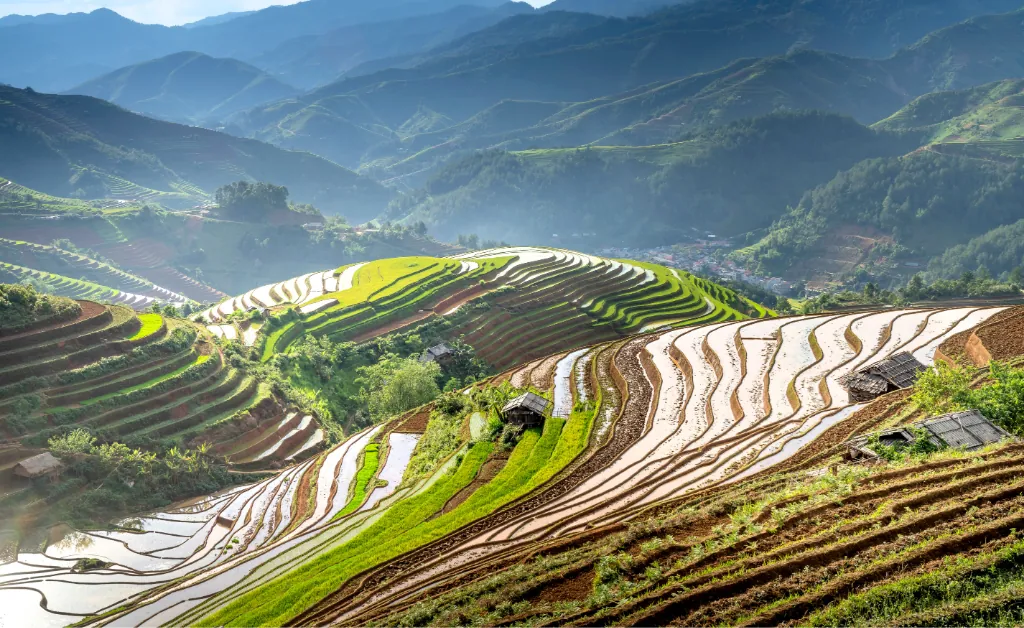
In mountainous areas like Sapa and Ha Giang, heavy rainfall increases the risk of landslides. Trekking becomes slippery and dangerous, and the iconic rice terrace views are often hidden behind clouds and mist.
Halong Bay Cruise Disruptions
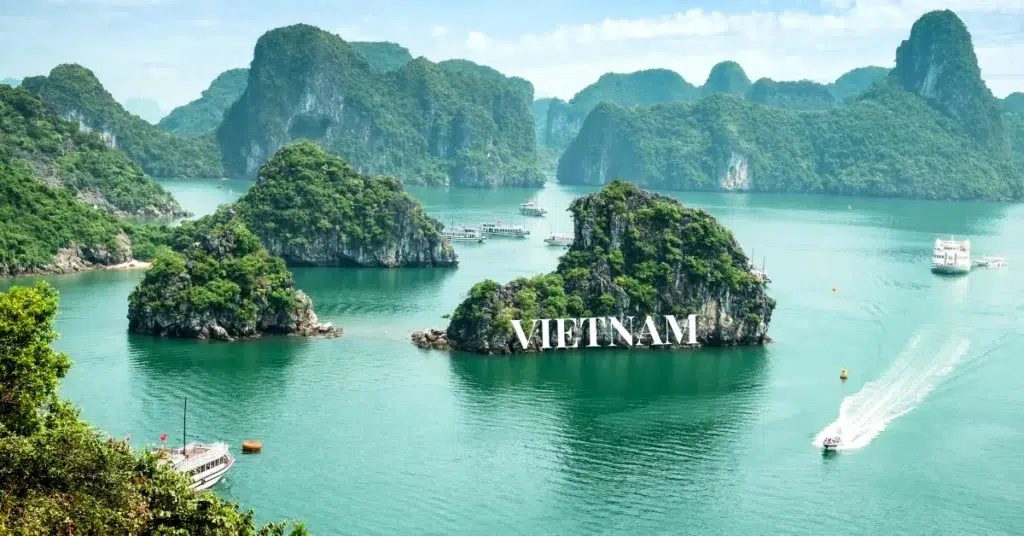
Halong Bay also suffers during this period. Stormy seas and poor visibility lead to cruise cancellations, and even when boats run, the scenery may not look like the photos you imagined.
Physical Fatigue for Sightseers
Travelers often underestimate how draining the heat and humidity can be in northern Vietnam during summer, especially if sightseeing involves walking or climbing.
Worst Time to Visit Central Vietnam (Hoi An, Da Nang, Hue)

Worst months: September to November
Typhoon Season and Heavy Rainfall
Central Vietnam has its own weather pattern, and this region is hit hardest later in the year. From September onward, heavy rains intensify, and typhoons become a real concern.
Flooding in Hoi An’s Old Town
Hoi An is particularly affected. The charming old town frequently floods during peak rainy months, sometimes leaving streets submerged and attractions inaccessible. While the town still has character during floods, it’s not ideal for first-time visitors.
Unreliable Beach Conditions in Da Nang
Beach destinations like Da Nang also suffer. Strong winds, rough seas, and frequent rain make beach days unreliable, and water activities are often suspended for safety reasons.
Persistent Rain in Hue
Hue, already prone to rain, becomes especially wet, which can make exploring its imperial sites uncomfortable.
Worst Time to Visit South Vietnam (Ho Chi Minh City, Mekong Delta)
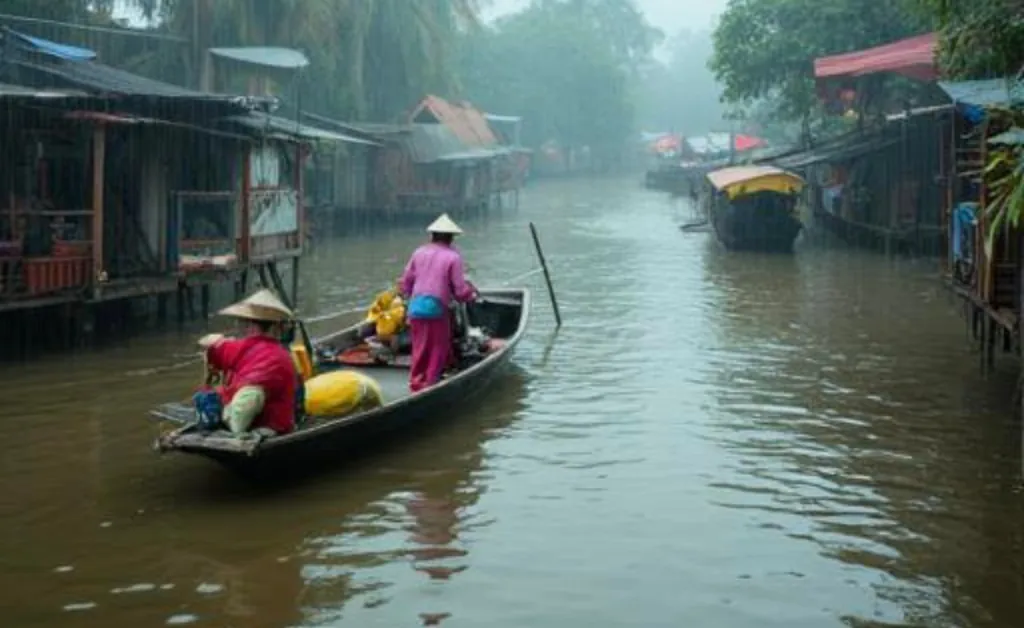
Worst months: May to October
Long and Humid Rainy Season
Southern Vietnam experiences a long rainy season rather than distinct bad months. Rain usually falls in short but intense bursts, often in the afternoon.
Urban Flooding and Mekong Delta Conditions
Ho Chi Minh City becomes humid and sticky, and flooding can occur in low-lying areas after heavy rain. The Mekong Delta is also affected, with rising water levels and muddy conditions that limit movement.
Why Travel Is Still Manageable in the South
That said, southern Vietnam’s rainy season is often more manageable than elsewhere. Many travelers still enjoy this region during these months, especially if they plan indoor activities and slower-paced travel.
Month-by-Month Reality Check
Understanding how conditions change month by month helps set realistic expectations.
| Month | North Vietnam | Central Vietnam | South Vietnam |
| May | Rising heat, start of rain | Mostly dry, minor rain | Start of rainy season, short showers |
| June | Hot & humid, landslide risk | Rain increases | Frequent afternoon rain |
| July | Peak heat & humidity | Heavy rain begins | Rainy season continues |
| August | Wettest & stormy, Halong Bay risky | Heavy rain, typhoon risk | Afternoon storms, sticky humidity |
| September | Rain continues | Peak typhoon & flooding | Rain continues, manageable |
| October | Conditions improve | Central Vietnam still rainy | Rain decreases, travel easier |
May: Heat intensifies and rain begins, especially in the south
June: High humidity nationwide, increasing rainfall
July: Peak rain starts, uncomfortable heat in cities
August: Wettest and most challenging month overall
September: Flood risks increase, typhoons in central Vietnam
October: Conditions improve in the north and south, still risky centrally
This period doesn’t mean Vietnam is untravelable, but it does demand flexibility.
Is It Ever Worth Visiting Vietnam During the Worst Months?

Surprisingly, yes — depending on your travel style.
Budget travelers often benefit from lower hotel prices and discounted tours. Crowds thin out, making popular destinations feel more relaxed. Photographers may appreciate dramatic skies, misty landscapes, and lush greenery.
Slow travelers and digital nomads sometimes enjoy the quieter pace, especially in cities where rain rarely lasts all day.
However, travelers with limited time, packed itineraries, or specific activities like beach holidays or mountain trekking may find the worst months frustrating.
Common Mistakes Travelers Make During the Worst Season
One of the biggest mistakes is planning an itinerary without considering regional weather differences. Booking Halong Bay cruises in peak rainy months or scheduling beach time in central Vietnam during typhoon season often leads to disappointment.
Another mistake is underestimating Vietnam’s humidity. Even experienced travelers can feel drained after a few hours outdoors during summer.
Tight schedules are also risky. Weather-related delays are common, and missing connections can disrupt an entire trip.
Smart Alternatives If You Must Travel During the Worst Time
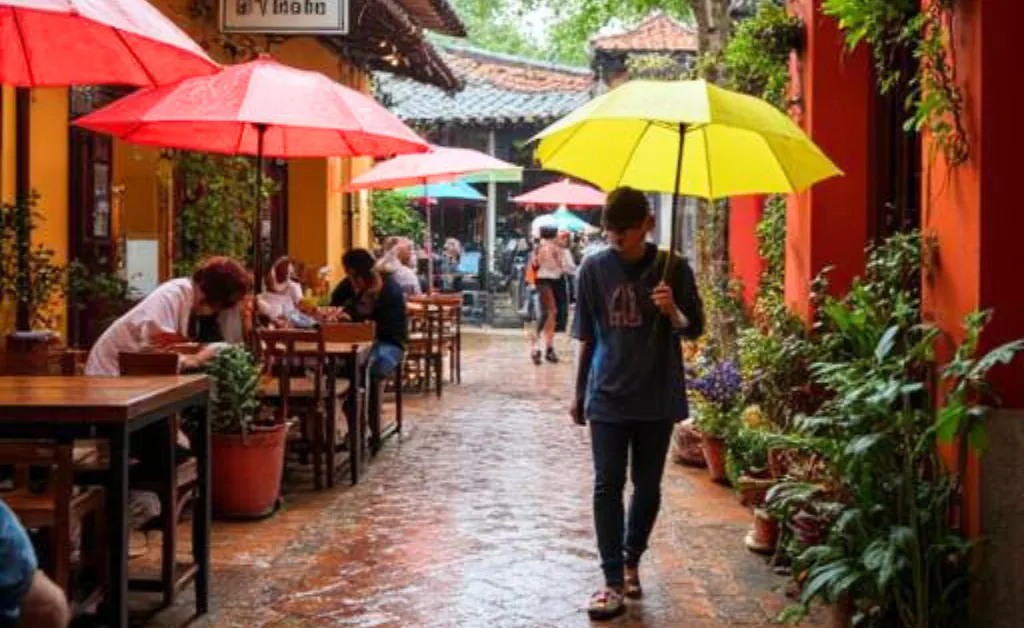
If your travel dates fall during Vietnam’s worst months, adjustments can make a big difference.
Instead of focusing on beaches, explore cities with rich food scenes and indoor attractions. Hanoi and Ho Chi Minh City offer museums, cafes, and street food experiences that work well even on rainy days.
Choosing regions strategically also helps. When central Vietnam faces storms, the south may still be manageable. Flexibility is key.
Planning buffer days and avoiding overly ambitious travel plans can turn a challenging season into a rewarding experience.
Worst Time vs Best Time to Visit Vietnam
The difference between the worst and best time to visit Vietnam is significant.
The best months, generally from November to April depending on the region, offer drier weather, cooler temperatures, and smoother travel conditions. Prices are higher and crowds are larger, but the experience is easier and more predictable.
The worst months trade comfort for affordability and quieter destinations. Neither option is inherently right or wrong — it depends on what you value most.
Plan Smart, Not Just Cheap
Vietnam rewards travelers who plan with awareness rather than assumptions. Knowing the worst time to visit Vietnam doesn’t mean you must avoid it completely — it means understanding what challenges to expect and how to work around them.
If your trip aligns with the off-season, travel slower, stay flexible, and focus on experiences that aren’t weather-dependent. With the right mindset, even Vietnam’s most difficult months can offer memorable moments — just not always the postcard-perfect ones.
FAQs
Q: What is the worst month to visit Vietnam?
A: August is typically the most challenging month due to heavy rain, high humidity, and typhoon risks.
Q: Is it worth visiting Vietnam during the worst months?
A: Yes, for budget travelers, photographers, and those seeking fewer crowds, but flexibility is essential.
Q: Which regions are most affected by the rainy season?
A: Central Vietnam faces typhoons and flooding, northern Vietnam sees heat and landslides, and southern Vietnam has short, intense rains.
Q: Can you still travel safely during the worst season?
A: Yes, with careful planning, indoor activities, and flexible itineraries, most regions remain accessible.
Q: How can I avoid travel disruptions in Vietnam?
A: Check regional weather forecasts, plan buffer days, and avoid tight schedules during peak rainy months.
Q: Is August a bad time to visit Vietnam?
A: Yes, August has peak rain, high humidity, and storm risks, making travel more challenging, especially in the north and central regions.
Q: When is Vietnam’s monsoon season?
A: Northern Vietnam: May–September, Central Vietnam: September–November, Southern Vietnam: May–October, with region-specific variations.
Q: Can I still visit beaches during Vietnam’s worst months?
A: Beaches may be closed or unsafe in central Vietnam during typhoons; the south can still offer short, manageable sunny periods.
Q: How do I travel safely in Vietnam during the rainy season?
A: Focus on indoor activities, flexible itineraries, buffer days, and regional planning to avoid severe weather disruptions.
Q: Which Vietnam cities are least affected by the worst season?
A: Ho Chi Minh City and parts of the southern Mekong Delta are generally more manageable, even during the rainy months.
Q: What activities are best during Vietnam’s worst months?
A: City tours, food experiences, museums, cafes, and cultural sites are ideal when outdoor activities are limited by rain.
Q: How can I prepare for traveling in Vietnam during heavy rainfall?
A: Pack waterproof clothing, plan indoor alternatives, monitor local weather forecasts, and avoid tight travel schedules.