

There’s something magical about hiking to a waterfall. The sound of rushing water, the cool mist on your skin, and the reward of seeing nature’s power up close make waterfall hikes unforgettable. Across the United States, you’ll find trails that lead to breathtaking cascades—some deep in forests, others tumbling down dramatic canyon cliffs.
Whether you’re a casual hiker or a seasoned explorer, these 10 best hikes in the US with Waterfalls offer breathtaking views and memorable outdoor adventures.
Table of Contents
Explore the 10 Best Hikes in the US in Detail
1. Multnomah Falls Trail – Oregon
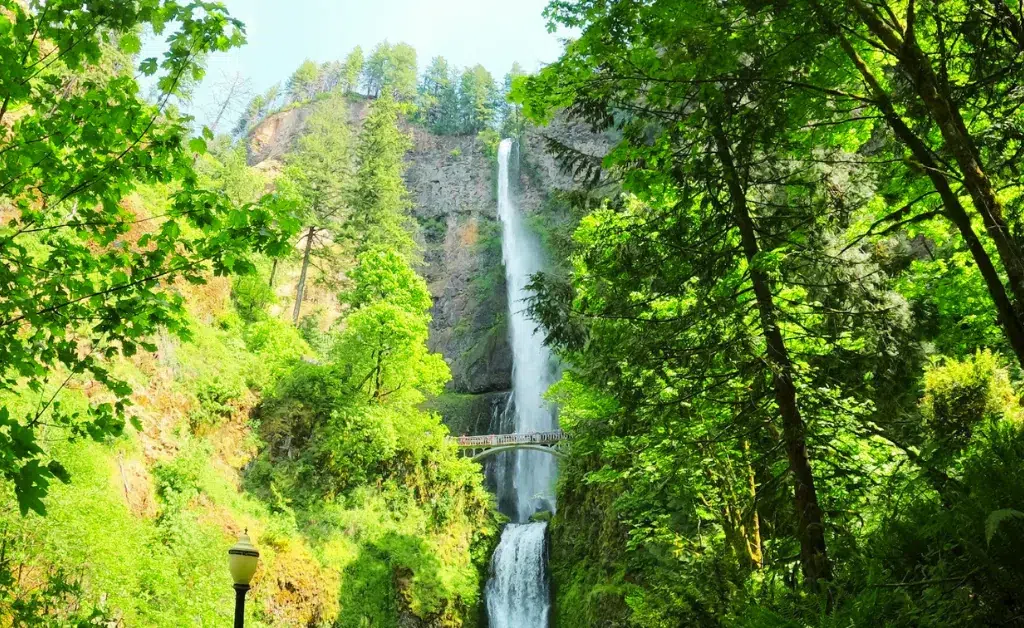
Location: Columbia River Gorge, OR
Trail Length: 2.4 miles round trip
Difficulty: Easy to moderate
Multnomah Falls is one of the most recognizable natural landmarks in the Pacific Northwest. This 620-foot, two-tiered waterfall plunges down a lush lava cliff, offering dramatic views from start to finish. The paved trail is accessible for most visitors, and the Benson Bridge provides a perfect photo spot.
Why It’s Special:
- Oregon’s most iconic waterfall
- Short, family-friendly trail
- Excellent year-round hiking
2. Havasu Falls – Arizona
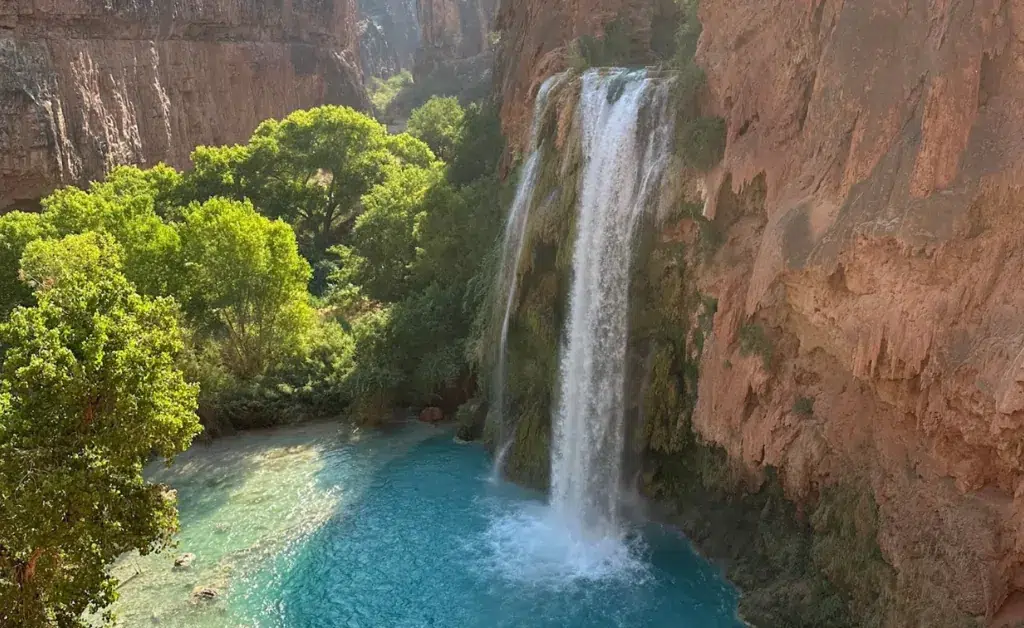
Location: Havasupai Reservation, AZ
Trail Length: 20 miles round trip
Difficulty: Challenging
Havasu Falls is a bucket-list destination known for its surreal turquoise water and towering red canyon walls. The long hike and required permits make this adventure exclusive—but incredibly rewarding. Camp near the falls, explore nearby cascades, and experience one of the most striking places in the American Southwest.
Why It’s Special:
- World-famous turquoise water
- Several spectacular waterfalls in one area
- A true once-in-a-lifetime trek
3. Yosemite Falls Trail – California
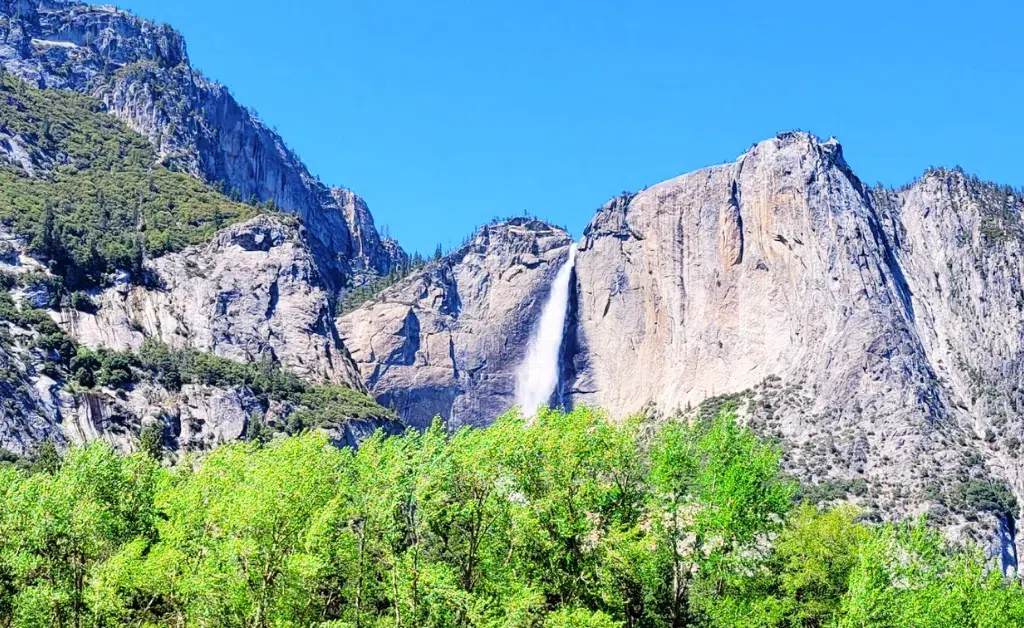
Location: Yosemite National Park, CA
Trail Length: 7.2 miles round trip
Difficulty: Hard
Yosemite Falls is one of the tallest waterfalls in North America, dropping a dramatic 2,425 feet. The trail is steep, but you’ll get panoramic views of Yosemite Valley and multiple perspectives of the waterfall. Spring is the best time to hike, when snowmelt fuels the roaring cascade.
Why It’s Special:
- One of the tallest waterfalls in the US
- Iconic Yosemite views
- Challenging trail with rewarding scenery
4. Alamere Falls – California
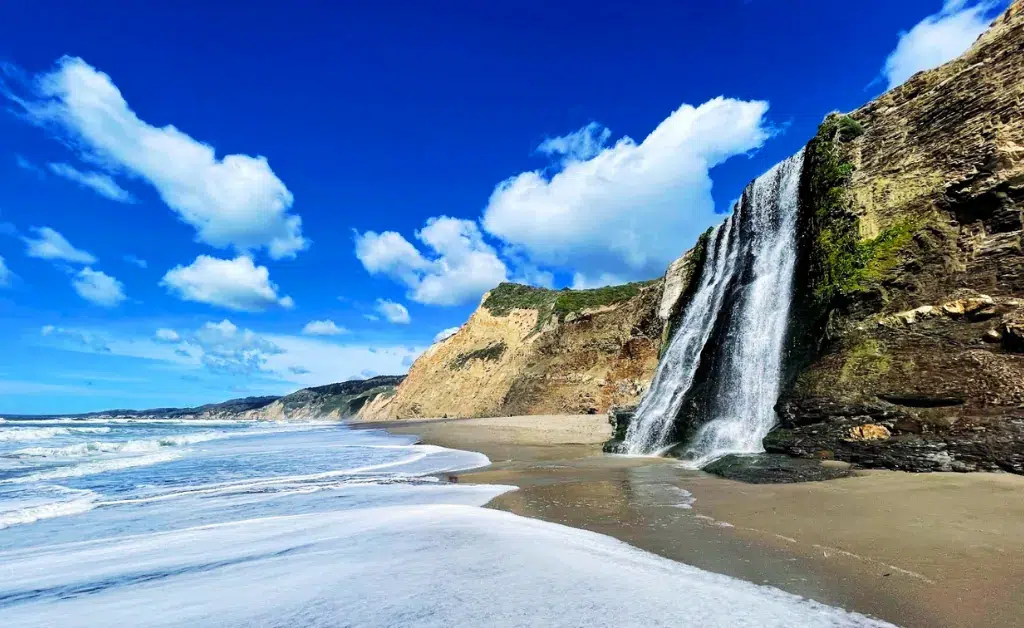
Location: Point Reyes National Seashore, CA
Trail Length: 13 miles round trip
Difficulty: Moderate to hard
Alamere Falls is one of the few “tidefalls” in the world—a waterfall that flows directly into the ocean. The trail takes you through coastal bluffs, wildflower meadows, and forest paths before descending onto a quiet beach where the falls meet the Pacific.
Why It’s Special:
- Rare waterfall flowing into the ocean
- Scenic coastal landscapes
- Great sunrise or sunset views
5. Kaaterskill Falls – New York
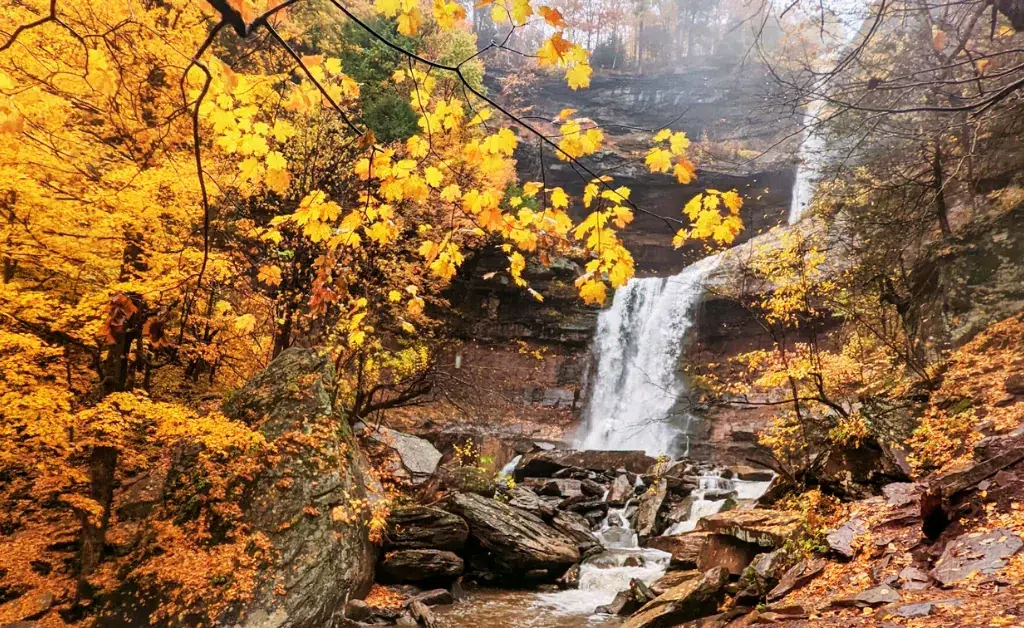
Location: Catskill Mountains, NY
Trail Length: 1.6–3 miles
Difficulty: Easy to moderate
Kaaterskill Falls is one of New York’s tallest waterfalls and a beloved destination for generations of artists and hikers. The two-tiered, 260-foot cascade is accessible by a short but scenic hike through the forests of the Catskills.
Why It’s Special:
- Historic and picturesque
- Accessible for most hikers
- Incredible fall foliage
6. Bridal Veil Falls – Colorado
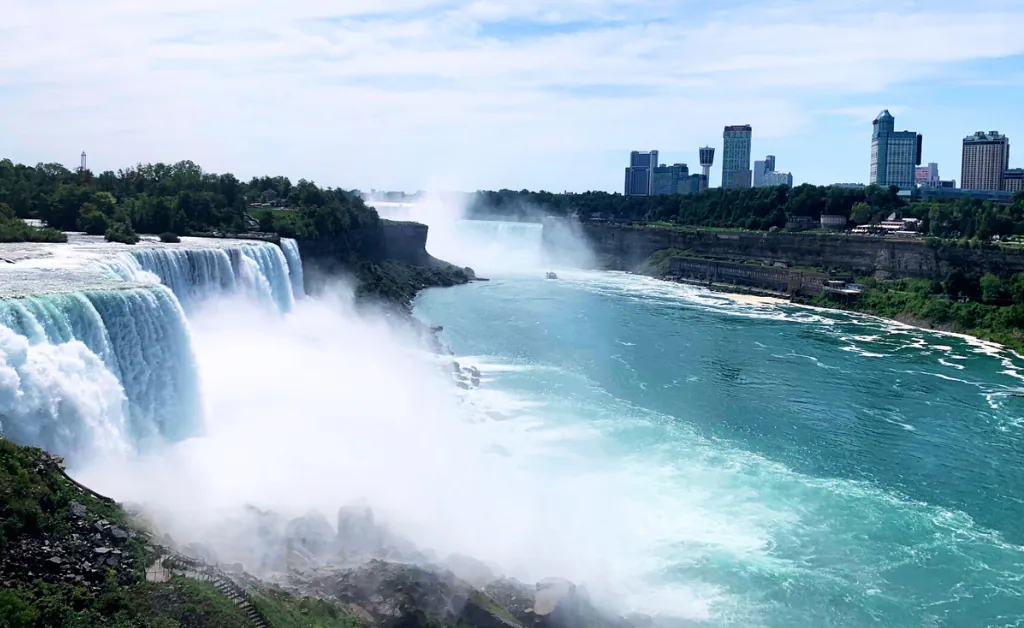
Location: Telluride, CO
Trail Length: 4 miles round trip
Difficulty: Moderate
Colorado’s tallest free-falling waterfall towers at 365 feet above the alpine town of Telluride. The hike follows a rugged mountain road and rewards you with views of the waterfall, the valley below, and a historic power station perched dramatically at the top.
Why It’s Special:
- Tallest free-falling waterfall in Colorado
- Classic alpine scenery
- Perfect summer hike
7. Amicalola Falls – Georgia
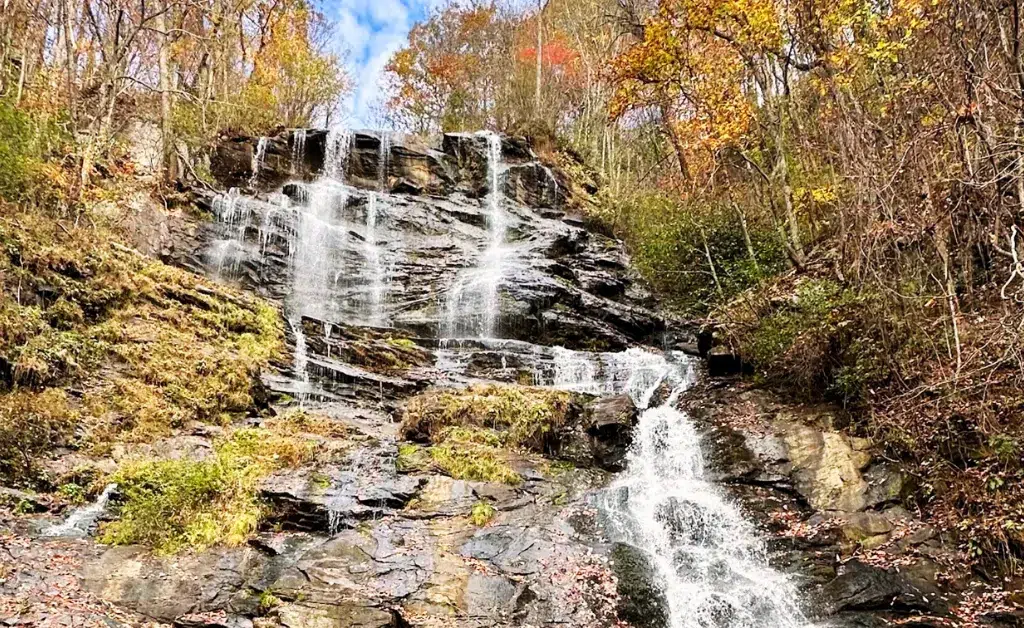
Location: Amicalola Falls State Park, GA
Trail Length: 2.1–8.5 miles
Difficulty: Easy to moderate
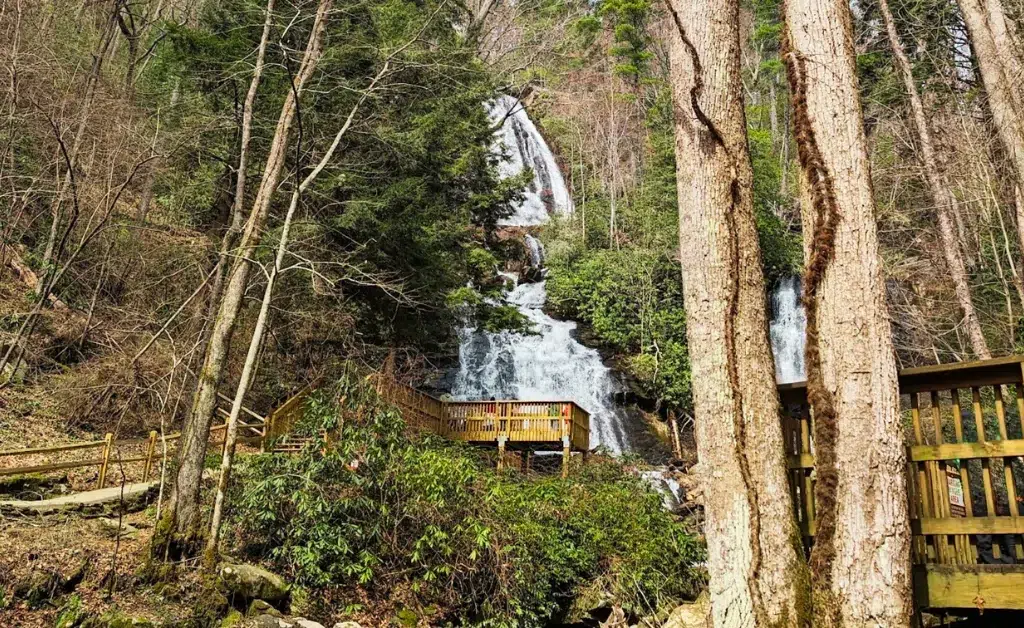
Amicalola Falls is a stunning 729-foot waterfall located in Georgia’s Appalachian foothills. With multiple trails and a popular staircase route, it’s perfect for hikers of all levels. It’s also the starting point of the Appalachian Trail approach hike.
Why It’s Special:
- One of the tallest waterfalls in the Southeast
- Family-friendly trail options
- Gateway to the Appalachian Trail
8. Cummins Falls – Tennessee
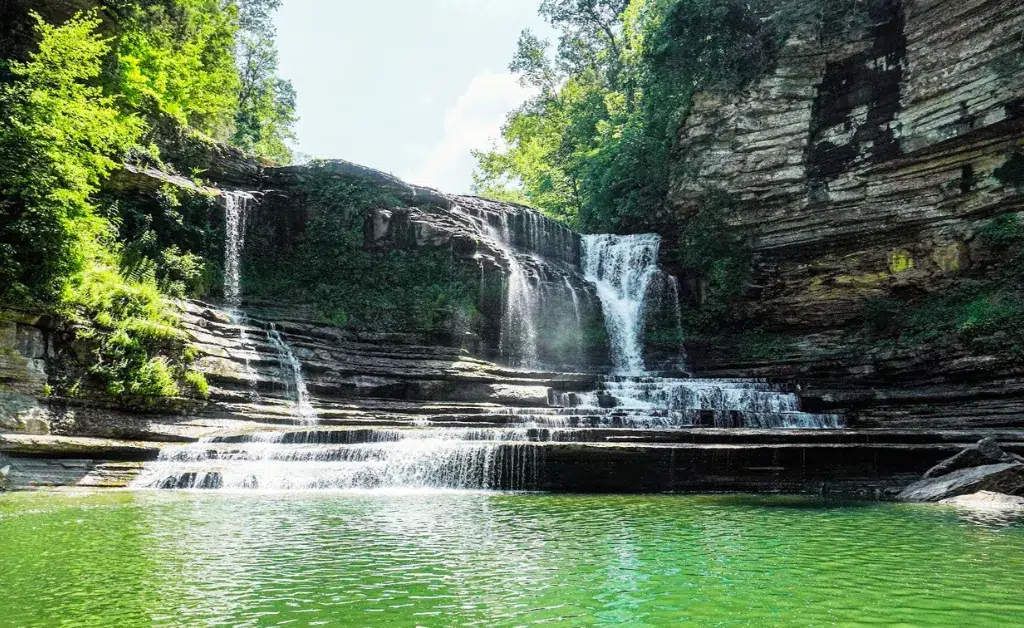
Location: Cookeville, TN
Trail Length: 2.5 miles round trip
Difficulty: Moderate
Cummins Falls is a beloved local treasure offering both a scenic hike and a refreshing swimming hole. The descent into the gorge involves a bit of scrambling, but the reward is a wide, beautiful cascade pouring into a natural pool.
Why It’s Special:
- Fantastic swimming area
- Fun, adventurous trail
- Best visited in warm weather
9. Wahclella Falls Trail – Oregon
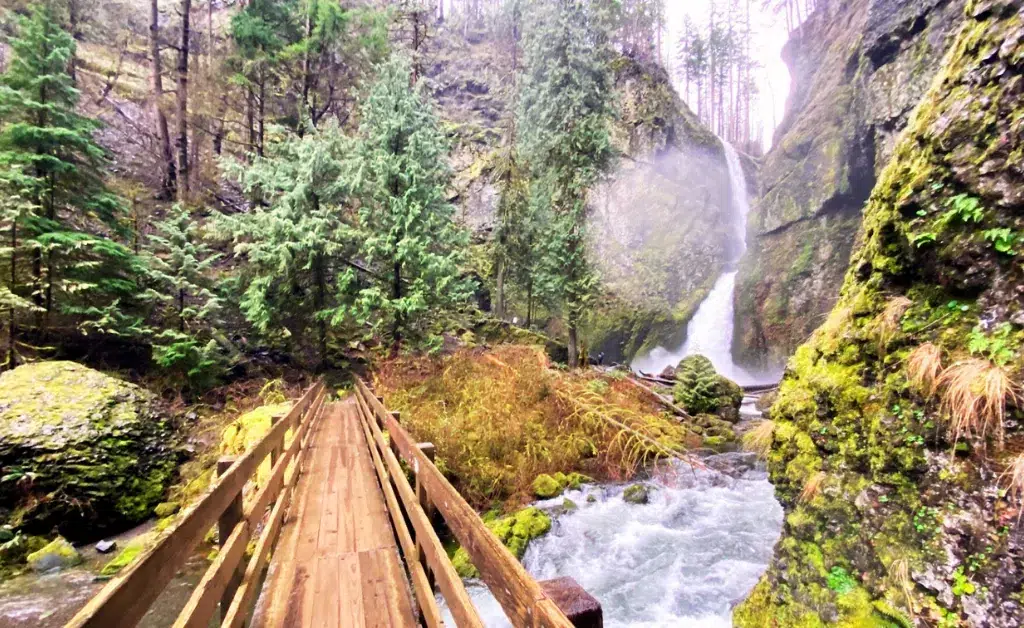
Location: Columbia River Gorge, OR
Trail Length: 2.4 miles round trip
Difficulty: Easy to moderate
This lush, forested trail winds through a moss-covered canyon before opening up to Wahclella Falls—a powerful two-stage waterfall surrounded by vibrant greenery. It’s a short, scenic adventure suitable for most hikers.
Why It’s Special:
- Lush, canyon-like scenery
- Great for families
- Quiet alternative to more crowded gorge waterfalls
10. Ruby Falls – Georgia
Location: Lookout Mountain, GA
Trail Length: 1 mile (underground)
Difficulty: Easy
Ruby Falls stands out as one of the most unique waterfall experiences in the US. Instead of hiking through a forest, you walk through a cave system beneath Lookout Mountain until you reach an illuminated 145-foot underground waterfall.
Why It’s Special:
- Rare underground waterfall
- Ideal for families and beginners
- Perfect for hot or rainy days
Tips for Hiking Waterfall Trails
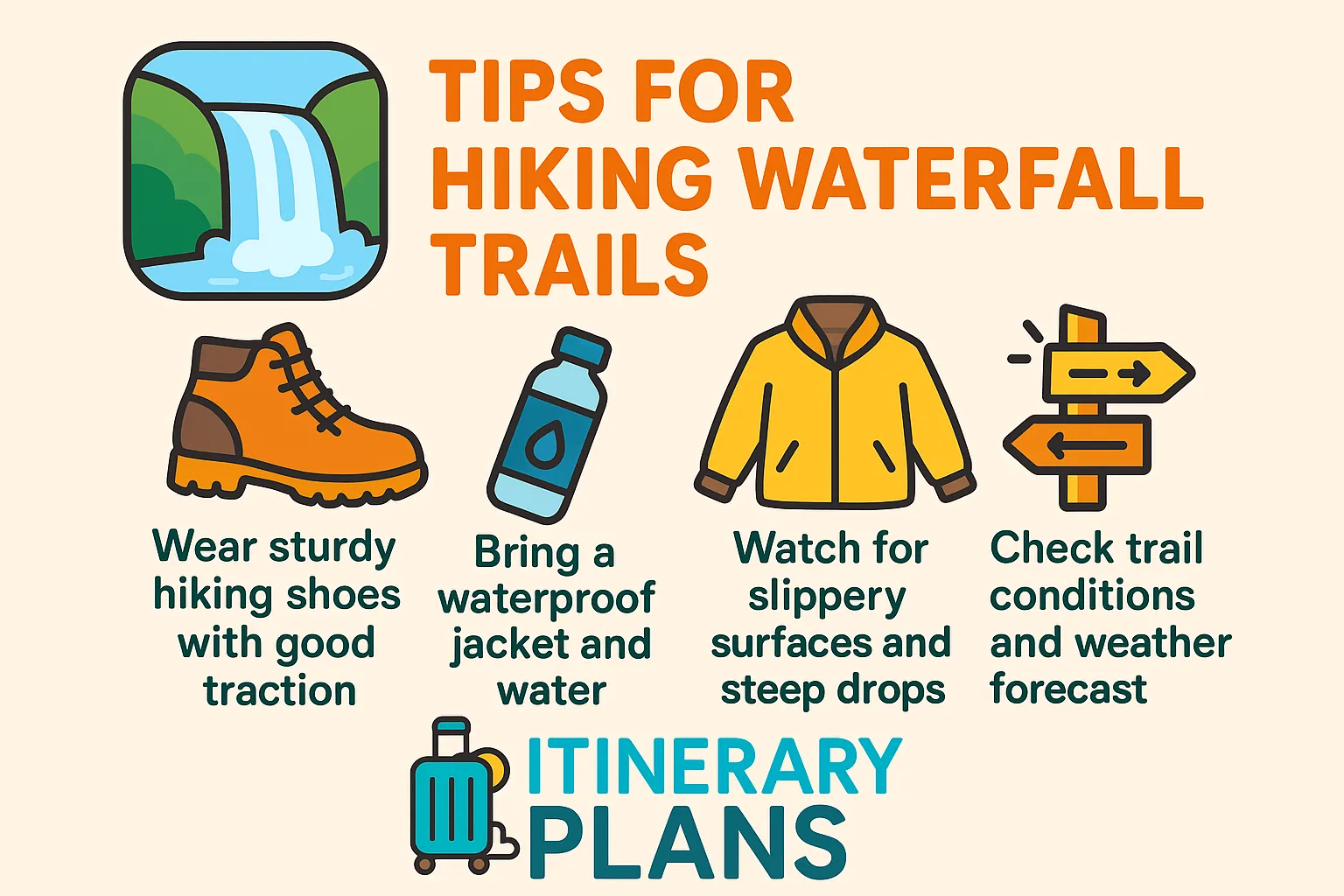
- Wear hiking shoes with good traction, as waterfall areas can be slippery.
- Check weather conditions—rain can make trails unsafe.
- Pack a waterproof layer because mist can soak clothing and camera gear.
- Start early to avoid crowds, especially at popular trails.
- Bring water and snacks, even for shorter hikes.
- Stay on marked trails to protect the environment and ensure safety.
If you’re putting together your own waterfall-hiking itinerary, these examples might help: the rugged Abiqua Falls trail, the high-elevation Glassmine Falls Overlook, the unique terrain at Red Dirt Waterfall, and the peaceful Sunburst Waterfall.
Final Thoughts
From desert oases to mountain cliffs and even underground caverns, the United States offers incredible waterfall hikes for every type of adventurer. Whether you want a challenging trek like Havasu Falls or a relaxing family walk like Amicalola Falls, these trails deliver unforgettable views and outdoor experiences.
If you’re building your next travel itinerary, these waterfall hikes are the perfect place to begin. Grab your boots, pack your camera, and get ready to explore the best Hikes in the US has to offer.
FAQs About Best Hikes in the US
Q: What makes waterfall hikes special?
A: Waterfall hikes offer dramatic scenery, cooler temperatures, and rewarding views that make each trail feel more memorable.
Q: When is the best time to hike waterfall trails?
A: Spring and early summer are ideal because snowmelt and rainfall create stronger, more impressive waterfall flows.
Q: Are waterfall hikes suitable for beginners?
A: Many waterfall trails are beginner-friendly, especially shorter paths with gentle elevation and well-marked routes.
Q: What should I bring on a waterfall hike?
A: Wear sturdy shoes, pack water, carry a light jacket, and bring a waterproof case since mist can make gear damp.
Q: How do I stay safe when hiking near waterfalls?
A: Stay on marked trails, avoid slippery edges, watch footing on wet rocks, and keep a safe distance from fast-moving water.
Q: Are permits required for any US waterfall hikes?
A: Yes. Popular hikes like Havasu Falls require permits, often booked months in advance, so check regulations before planning your trip.
Q: Which states have the most beautiful waterfall hikes?
A: Oregon, California, Washington, Tennessee, and New York offer some of the most scenic and diverse waterfall trails in the US.
Q: How long do most waterfall hikes take to complete?
A: Many trails take 1–3 hours, but some larger hikes like Havasu Falls can take a full day or require overnight trips.
Q: Can kids or families join waterfall hikes safely?
A: Many waterfall trails are family-friendly. Choose shorter routes with safe pathways and avoid steep or slippery sections.
Q: Are dogs allowed on waterfall trails?
A: Rules vary by location. National parks often restrict dogs, while state parks and local trails may allow leashed pets.
Q: How can I avoid crowds on popular waterfall hikes?
A: Start early in the morning, visit on weekdays, and choose off-season months like late fall or early spring.
Q: What’s the best way to photograph waterfalls?
A: Use a tripod, slow shutter speed, and shoot during early morning or late afternoon for softer, natural lighting.
Q: Do waterfall hikes require special clothing?
A: Breathable layers, sturdy hiking shoes, and quick-dry clothing work best since mist and splashes are common.
Q: Are winter waterfall hikes safe?
A: Some can be dangerous due to ice and slippery surfaces. Always check trail conditions and wear proper winter gear.
Q: Can I swim at the base of the waterfall trails?
A: Swimming is allowed at some waterfalls, like Cummins Falls, but always check local safety rules and water conditions first.